A sortie generation rate measures throughput, not excellence: the number of aircraft sorties a unit flies over a set period, usually expressed per aircraft per day, and it is capped long before the schedule is written by how many jets are actually available. The two numbers are chained together. GAO's April 2023 assessment of the F-35 found the fleet at a 55 percent mission capable rate against a 65 percent goal for fiscal 2022, and every point of that gap shows up as sorties the schedule cannot fly.
This piece is an explainer, not advice of any kind, and it works only from public documents and named published sources. EDN News 12 is an online publication, not a broadcaster. Where a figure is a planning assumption rather than a measured result, the text says so.
What counts as a sortie, and what does not?
A sortie is one flight of one aircraft from takeoff to landing. That definition sounds trivial until the edge cases arrive. A flight aborted after takeoff still counts as a sortie in most reporting. A ground maintenance run does not. A training hop and a complex exercise mission weigh the same in the count, which is exactly why the metric reads as throughput rather than capability.
The reporting period matters as much as the definition. A daily rate and a monthly rate describe different worlds: sustaining rates are what a unit can hold for weeks, while surge figures describe days at most. Comparing a surge claim from one fleet against a sustaining figure from another produces a conclusion that looks like analysis and is not.
Why do planned, sustained, and surge rates differ so much?
Planning documents typically assume wartime rates far above peacetime training tempo: published US Air Force planning practice has long put sustained combat sortie rates for fighter aircraft in the low single digits per day, with surge rates roughly double for short windows. Those are assumptions the services publish in requirements and exercise documents, not measured constants, and no open source establishes a verified wartime figure for a current-generation fighter under full-scale conditions.
The difference between the numbers is maintenance physics. Each landing is a cycle on the airframe and each flight hour is a withdrawal against scheduled inspections and component life. Fly a surge, and the maintenance man-hours per flight hour — a figure the services track but rarely publish by type — arrives as a debt due in the following days. A surge rate that ignores the recovery tail is a schedule for one good week, not a capability.
How does aircraft availability cap the sortie count?
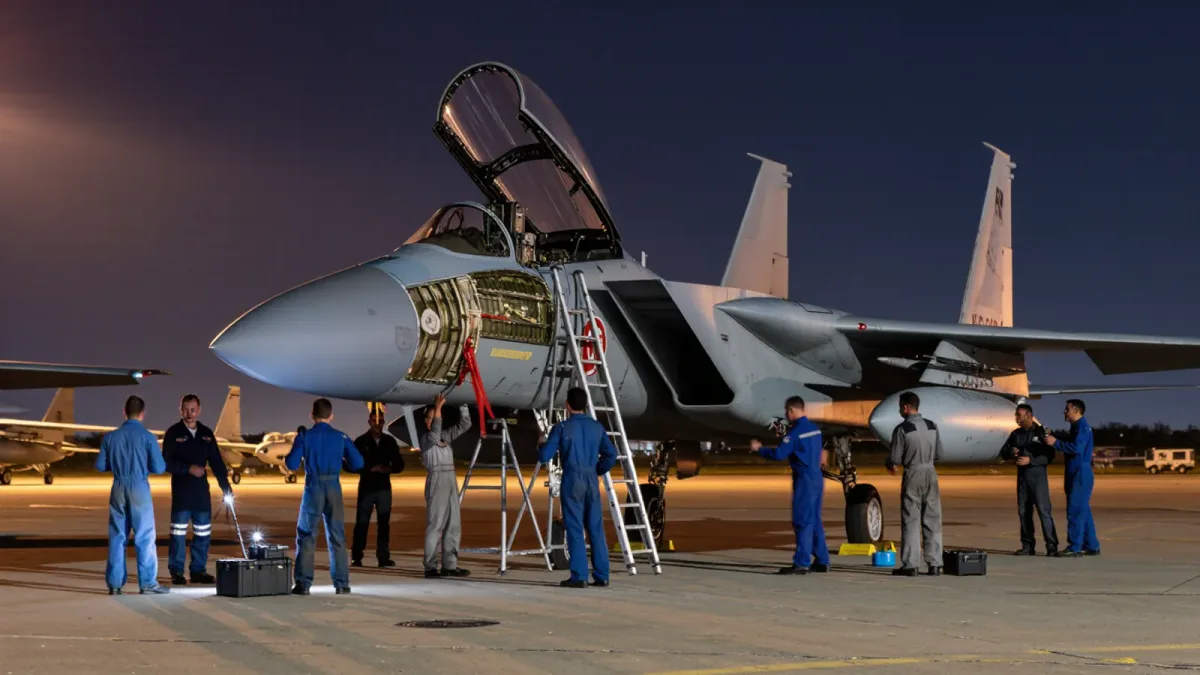
The chain runs in one direction. Mission capable aircraft are the raw material of sorties, and GAO's annual sustainment reviews have repeatedly identified spare parts shortages and depot queues as the leading causes of grounded aircraft across US tactical fleets. If a squadron of 24 shows 60 percent availability, the sortie plan is written around roughly 14 aircraft, whatever the nominal rate says on paper.
This is why sortie generation is a lagging indicator. The schedule reflects decisions about parts, depot capacity, and funding made one to three years earlier. GAO's April 2023 F-35 assessment tied the fleet's shortfall explicitly to sustainment — component repairs and depot turnaround among them — rather than to flying operations, and the same pattern recurs across fleets in the office's public work.
Why do militaries report the number at all?
Because throughput is the one readiness quantity a commander can count from a distance. Grades on a training range require observers; fuel state and weapons loads require access to schedules. Sortie counts need only a record of departures, which makes them the common currency of exercise summaries, testimony, and history alike. When officials describe an air campaign, they quote sorties flown, and the number is at least comparable across decades in a way few readiness figures are.
The cost of that convenience is flattery. A sortie count rewards short, simple flights as generously as long, demanding ones, and a unit under pressure to show output can produce impressive totals that carry little combat value. Readiness reporting systems therefore pair the count with flying hours per aircrew and mission-type breakdowns, though those richer figures surface far less often in public documents.
What does a high sortie rate actually prove?
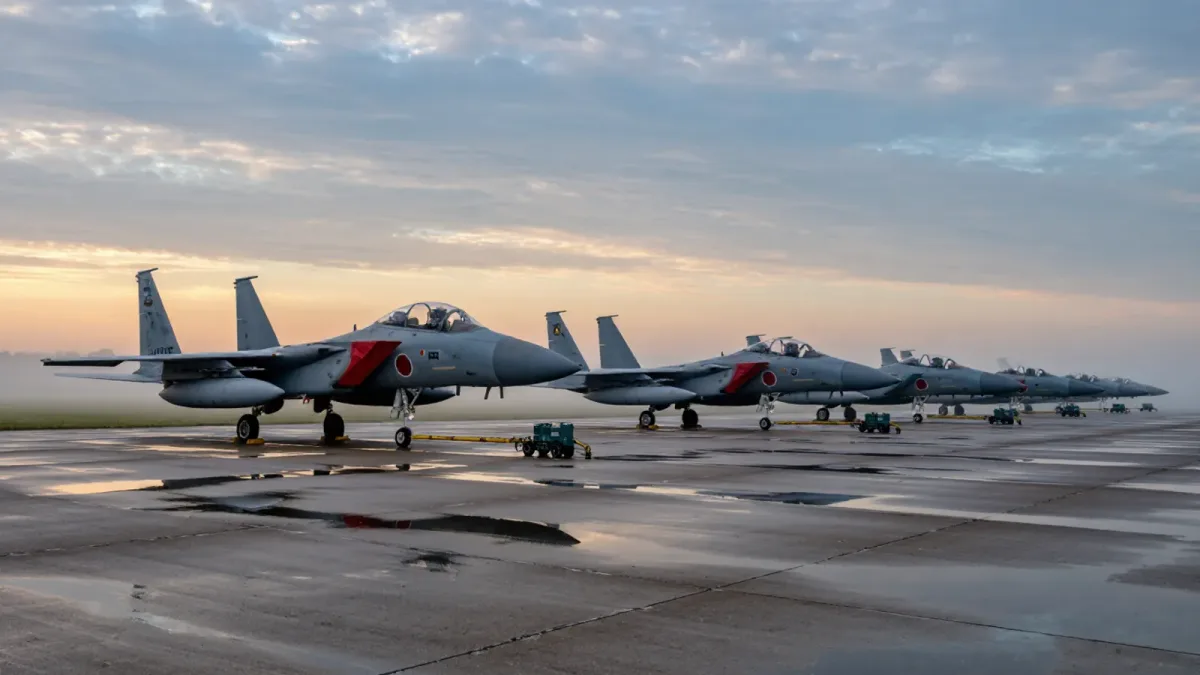
It proves the logistics chain works, and that is not a small thing. Producing a high sustained rate requires parts flow, enough qualified maintainers, fuel, and runway time; achieving it is the difference between a fleet on inventory and a fleet in the fight. Exercise reporting, such as the publicly released summaries around large-force exercises, treats sortie production as the core deliverable.
What it does not prove is pilot proficiency or mission complexity. A wave of short familiarization flights and a wave of suppression-of-air-defense profiles produce identical sortie counts. That is why the services pair sortie data with flying hours per aircrew and with graded exercise results, and why a single rate should never be read alone. The number answers "how many," and the rest of the readiness picture answers "how well."
A sortie rate is a throughput figure. It counts departures, not what each departure was worth.
How should a reader use the number in public reporting?
Three checks separate a usable figure from a loose one. First, find the denominator: per aircraft per day, per assigned aircraft, or per total force inventory — each yields a different number from the same events. Second, find the period, because a three-day peak and a 30-day average are different claims. Third, find the source's own confidence: planning assumptions, measured exercise results, and combat claims sit at very different levels of verification, and wartime sortie claims in particular are contested and hard to verify independently.
Publicly available sources do not establish current wartime sortie rates for most modern fleets, and any figure that appears without a denominator and a period should be treated as decoration. The honest version of the metric is modest, specific, and always paired with the availability rate that made it possible.