
Cost-plus contracts put the overrun bill on the buyer, and that is the point of them
Fixed-price and cost-reimbursement deals shift program risk in opposite directions. Here is who pays when a weapons program runs late and over budget.
Financial coverage of defense and aerospace firms: order intake, backlog, factory expansion, export approvals and cash behind promised output increases.
Fixed-price and cost-reimbursement deals shift program risk in opposite directions. Here is who pays when a weapons program runs late and over budget.

A plain-language walk through the federal buying process, from the request for proposals to the scoring sheet to the protest that can undo it all.

Fiscal-year clocks, continuing resolutions and shutdown risk, mapped from first request to final appropriation.
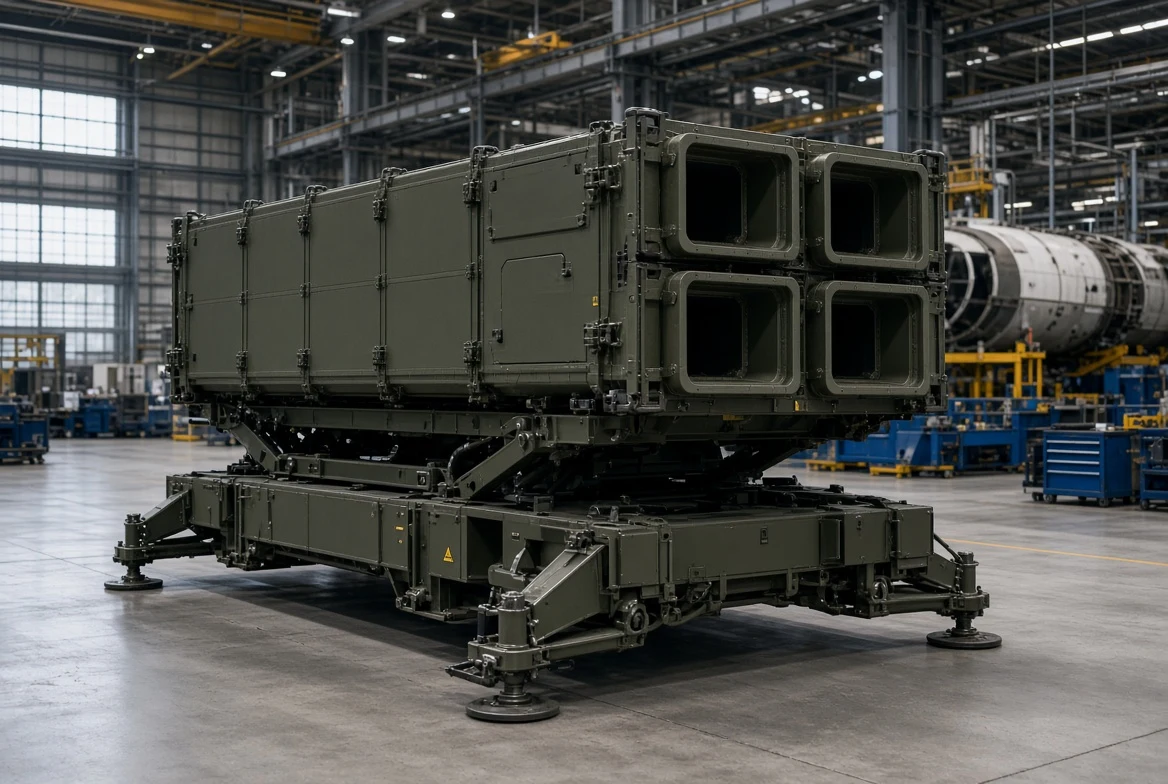
A new seven-year deal aims to push PAC-3 MSE production from about 600 missiles a year to 2,000, but the real constraint is the supplier base that feeds the line, not the line itself.
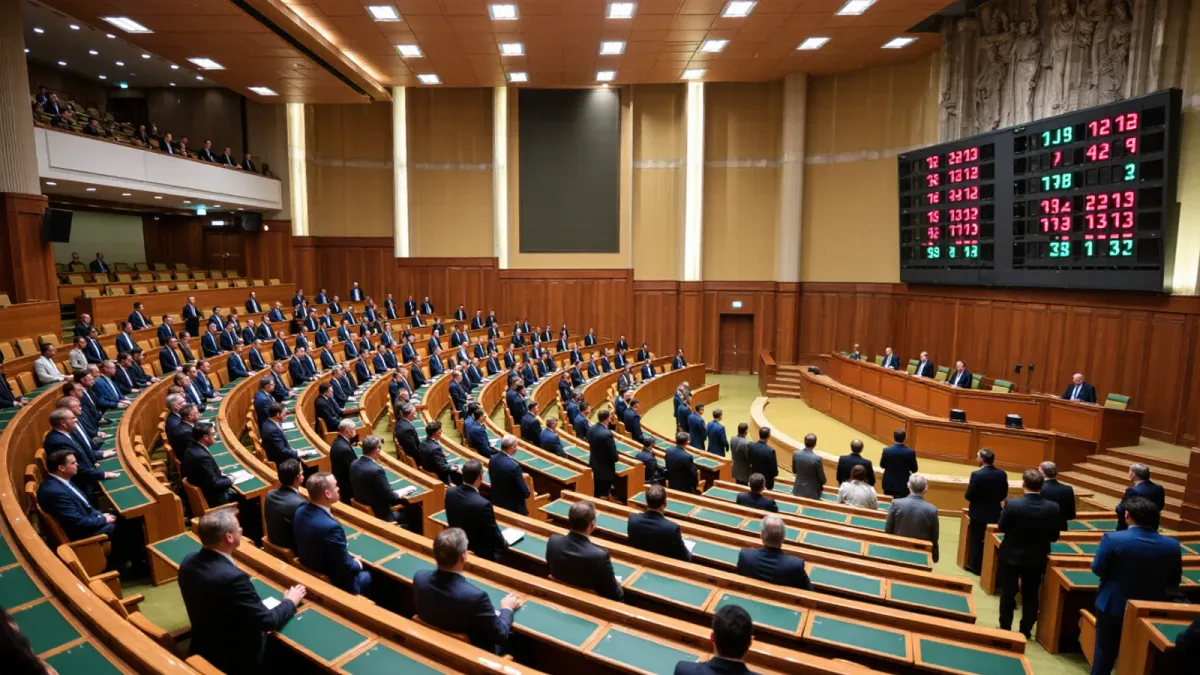
A near-party-line July 22, 2026 vote sends the House NDAA to a divided Congress, with air defense programs riding on a conference that may not convene.
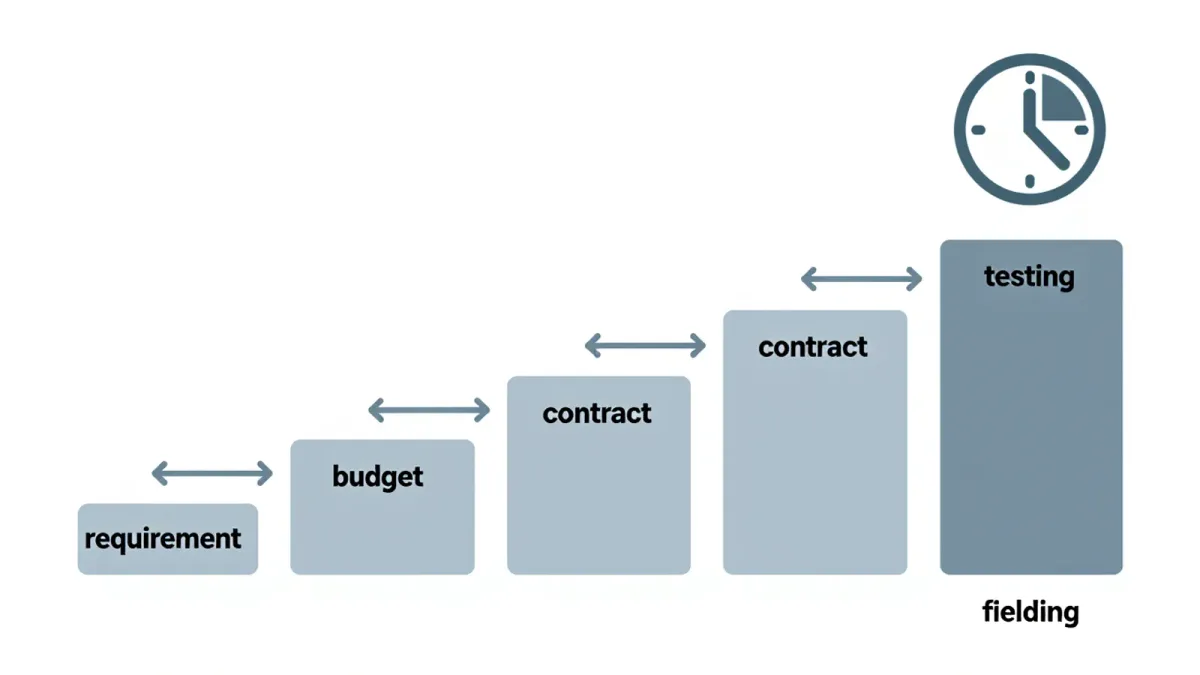
The OASIS Act of 2026, introduced June 4, 2026, would force Defense Department action on air and missile defense acquisition, the slowest link in the interceptor chain.