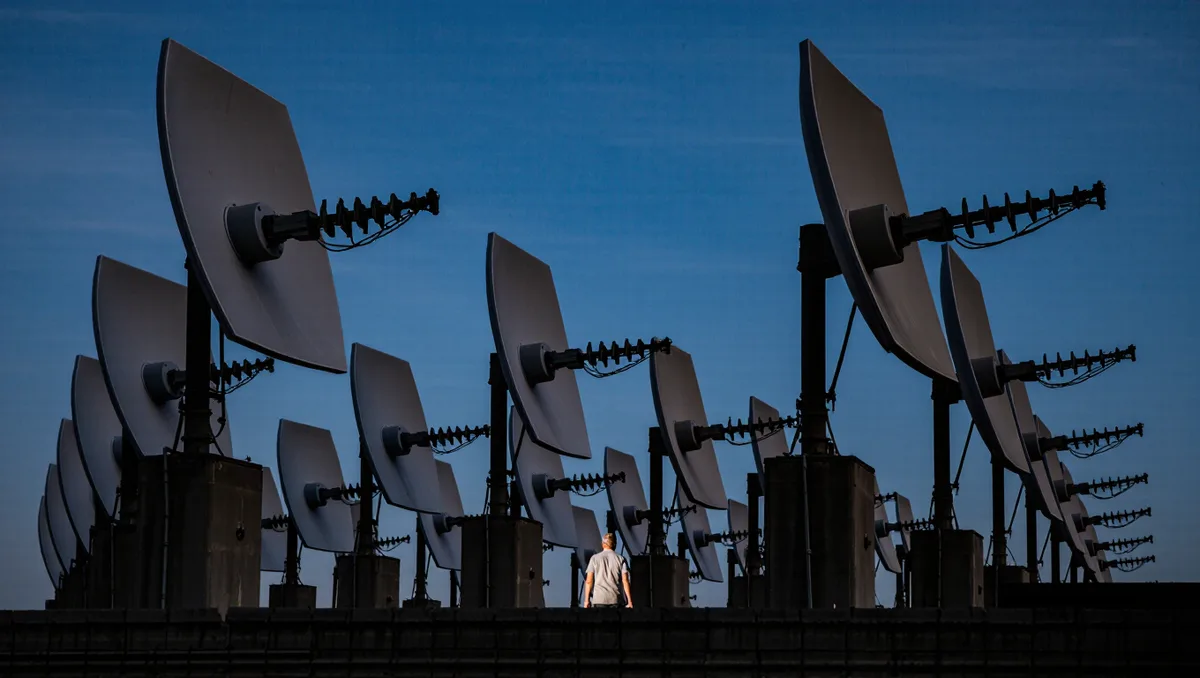
Layered Air Defense 101: Why No Single System Protects Everything
Layered air defense arranges different systems in rings so each covers the gaps of the others. Here is why no single system protects everything.
Layered air defense arranges different systems in rings so each covers the gaps of the others. Here is why no single system protects everything.


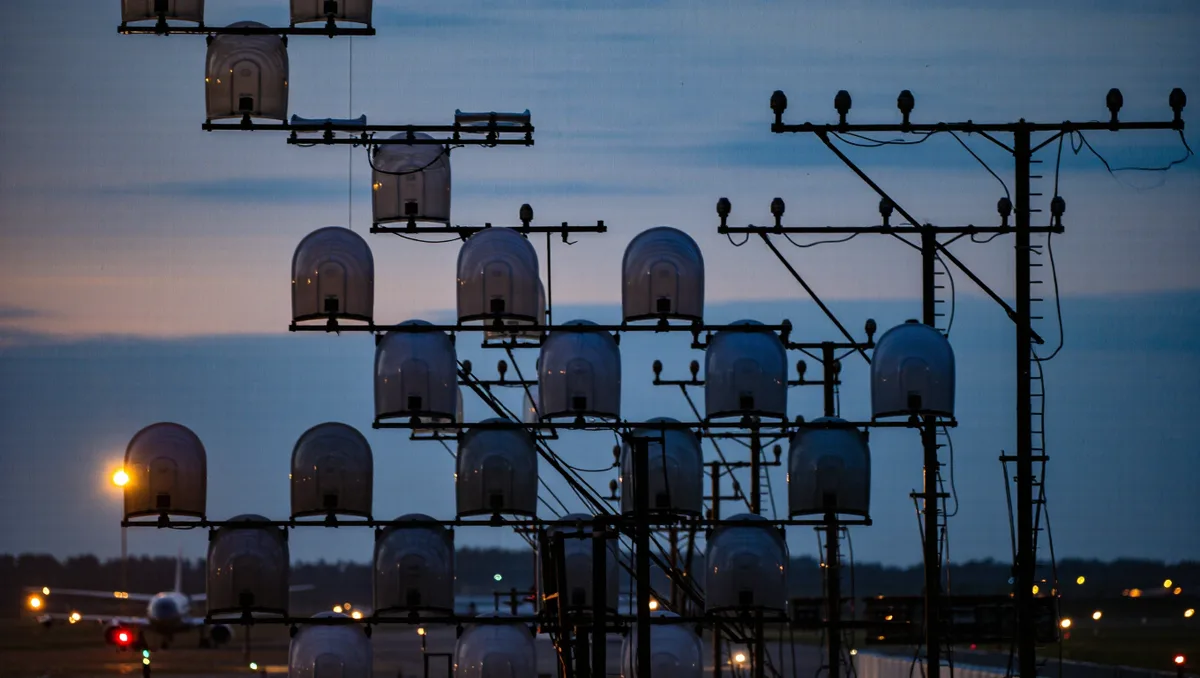
Rzeszów and Lublin airports briefly stopped flights so military aircraft could work in Polish airspace. Here is what actually happened on September 23, and what each moving part does.

An A&P certificate is the entry ticket. Where you work, and what you sign off on, decides the rest.

An air defense operations center turns scattered radar data into one picture of the sky. Here is how the room works, from sensors to decisions.
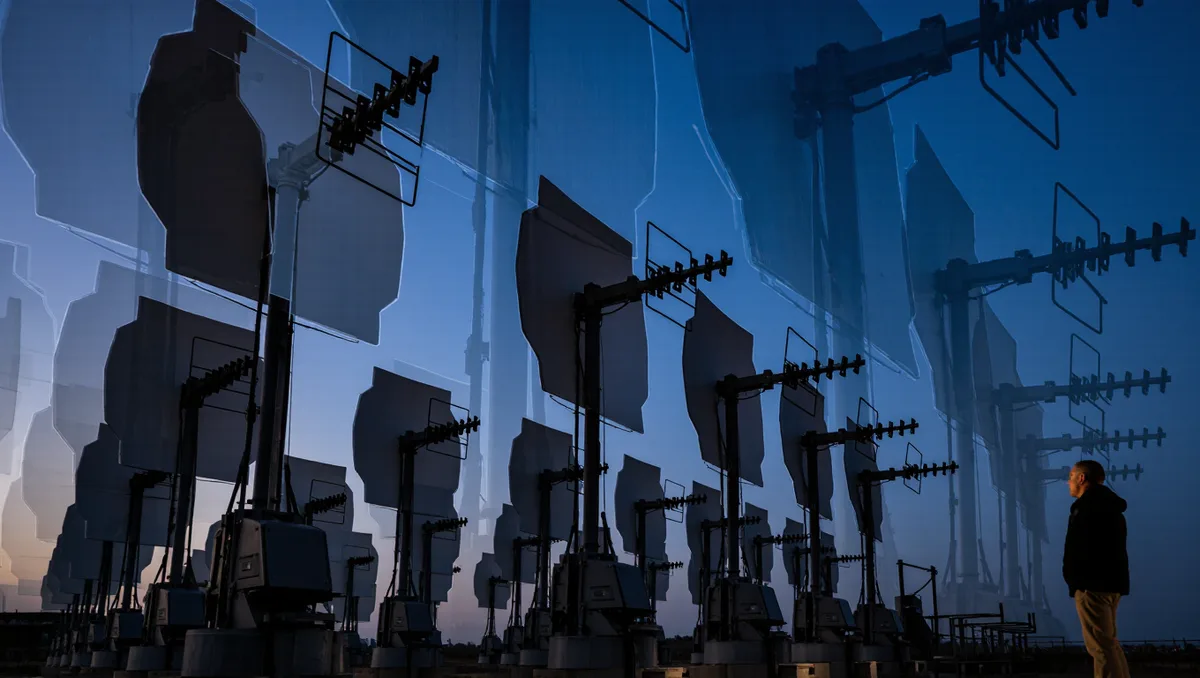
From Patriot crews to early-warning operators, here is what air defense artillery soldiers actually do each day, based on official Army job descriptions.

Air defense artillery follows a simple loop: radar sees the threat, commanders decide, and missiles engage. This plain-language guide walks through each step.
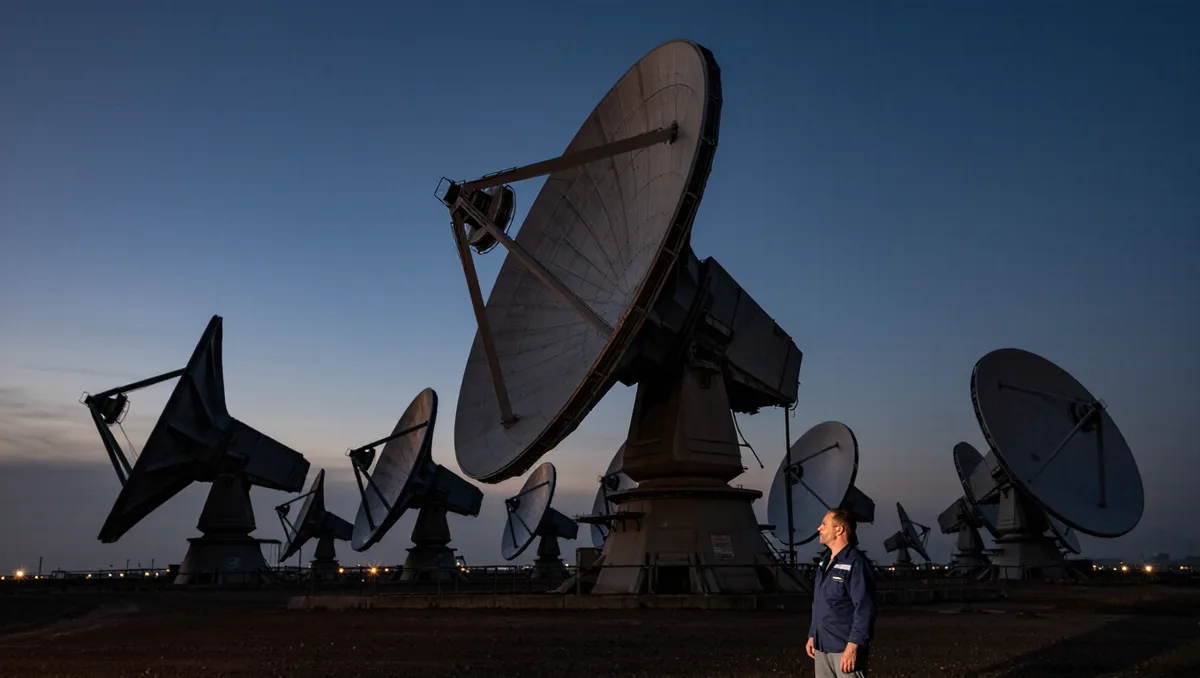
An air defense identification zone is not a border but a buffer that buys defenders time. Here is how ADIZ rules work and why the lines in the sky matter.
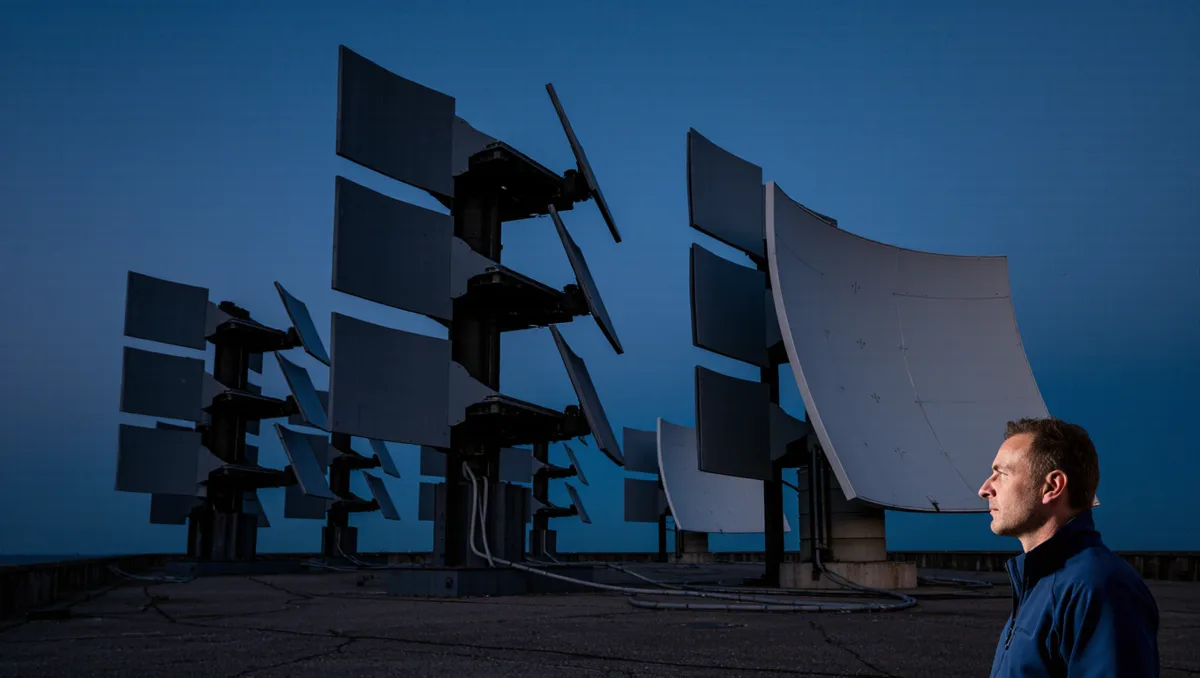
Defense procurement is how governments buy weapons and military equipment. Here is how the process works, why special rules apply, and where the risks lie.

The three tiers of a buying career differ in scope, not in paperwork — here is where each one starts and what it owns.

The US Army's published budget materials and manufacturers' own announcements point the same direction: the binding constraint on air defense capacity is missile output, and the lines are being stretched to answer it.
The foreign military sales system runs on a fixed document chain, not politics, and by the Pentagon's own watchdog account it is that chain, not any single decision, that turns an uncontroversial sale into a multiyear wait.
Committing to three to five years of production at once converts certainty into savings — and converts budget flexibility into contractual liability.
An economic price adjustment clause is a pre-negotiated escalator built into a fixed-price contract, and Federal Acquisition Regulation Part 16.203 is the rulebook that decides when the Pentagon may use one and how the price actually moves.
A six-month-old startup is betting that continuous AI-driven attack simulation, not annual penetration tests, becomes the baseline for enterprise defense.
Resumes, interviews and the real trade-offs between corporate, event and government security posts.
A Sept. 22 memo mobilizes defense cyber resources for Election Day, filling a gap left by a hollowed-out civilian agency.
The declaration is the easy part. Enforcement means legal authority, suppression of air defenses, and a patrol tempo that never stops.

Panel lineups, booth floors and side briefings carry the real news. Here is how to find it.
A flagship feature is not a bigger news story. It is a different kind of idea, and you can grow them on a schedule.
Rocky Phillips is selling spraying, thermal surveys and mapping built on Apache and FLIR hours. The credentials look real; the performance stories have one narrator.
The meetings, the arguments, and the budget line that decide what lands on the front page.

Fiscal-year clocks, continuing resolutions and shutdown risk, mapped from first request to final appropriation.
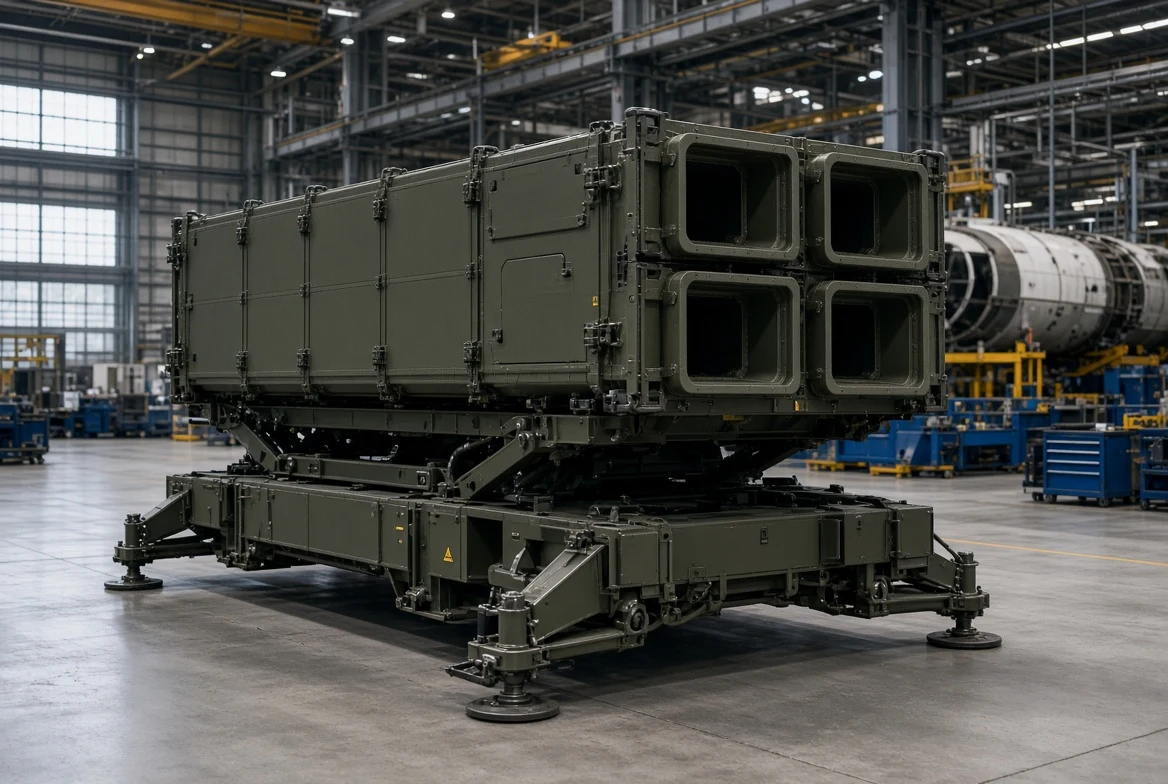
A new seven-year deal aims to push PAC-3 MSE production from about 600 missiles a year to 2,000, but the real constraint is the supplier base that feeds the line, not the line itself.

A near-party-line July 22, 2026 vote sends the House NDAA to a divided Congress, with air defense programs riding on a conference that may not convene.
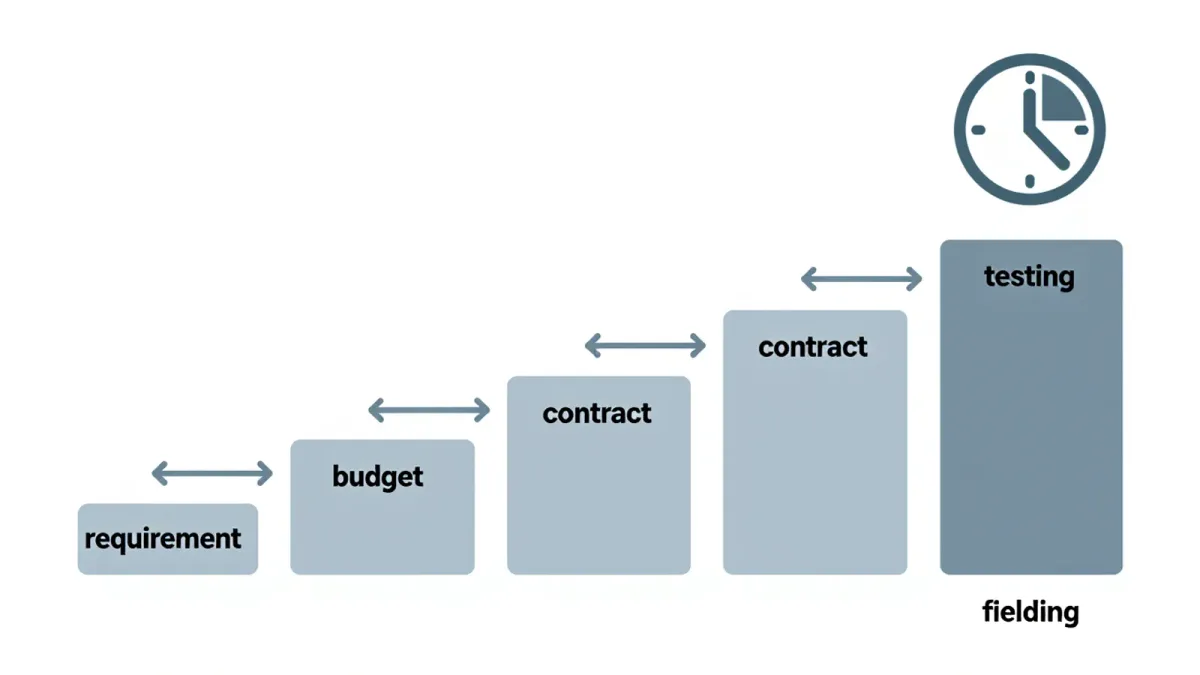
The OASIS Act of 2026, introduced June 4, 2026, would force Defense Department action on air and missile defense acquisition, the slowest link in the interceptor chain.