
Defense Procurement Explained: How Governments Buy Weapons
Defense procurement is how governments buy weapons and military equipment. Here is how the process works, why special rules apply, and where the risks lie.
Procurement follows military purchasing from requirement through contract award to delivery, including bid evaluation, offset packages, financing, unit cost and schedule performance. Articles quote tender documents and audit findings rather than ministry summaries. Useful for suppliers, defense attaches, budget analysts and journalists tracking how a country spends equipment money.
Arms tenders followed from requirement to delivery: bid evaluation, offset obligations, unit pricing, schedule slippage and the politics inside an award.
Defense procurement is how governments buy weapons and military equipment. Here is how the process works, why special rules apply, and where the risks lie.

The three tiers of a buying career differ in scope, not in paperwork — here is where each one starts and what it owns.
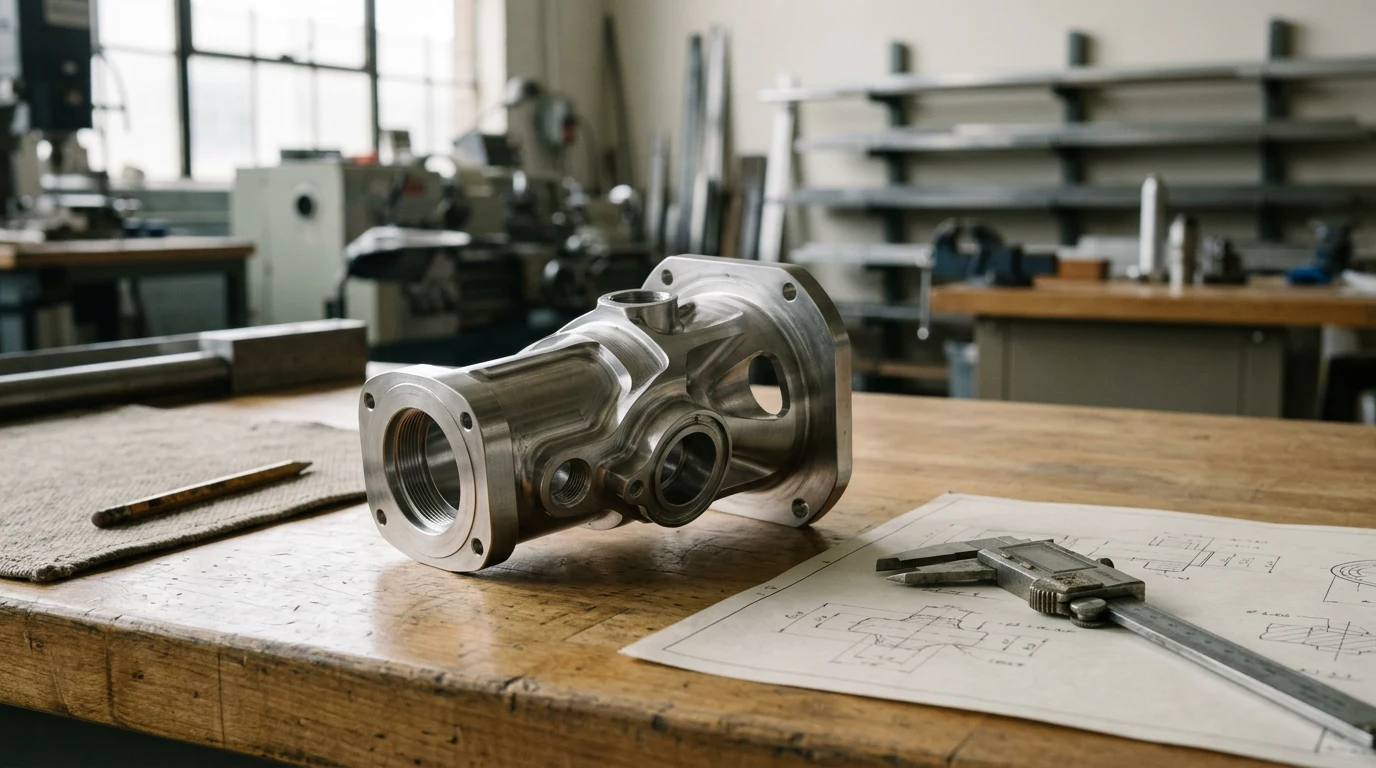
The US Army's published budget materials and manufacturers' own announcements point the same direction: the binding constraint on air defense capacity is missile output, and the lines are being stretched to answer it.
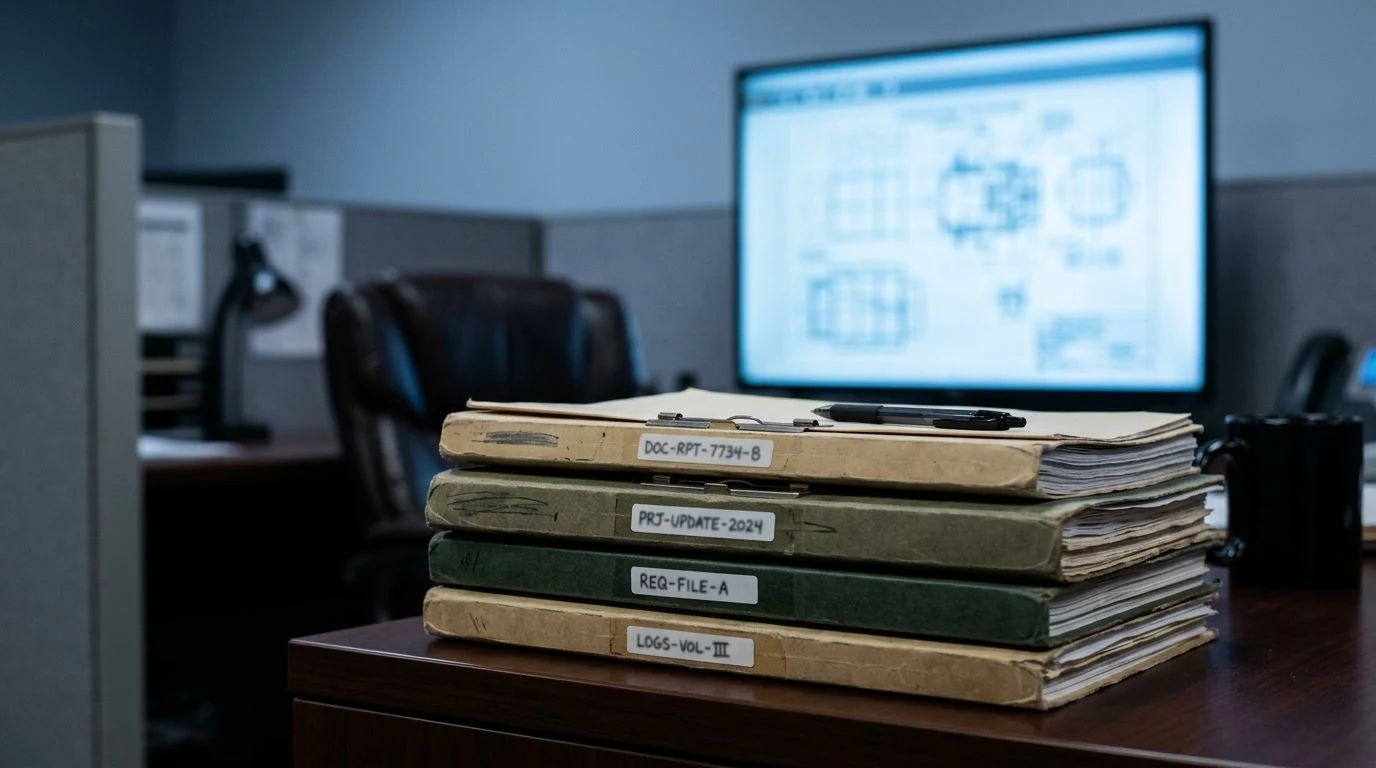
The foreign military sales system runs on a fixed document chain, not politics, and by the Pentagon's own watchdog account it is that chain, not any single decision, that turns an uncontroversial sale into a multiyear wait.
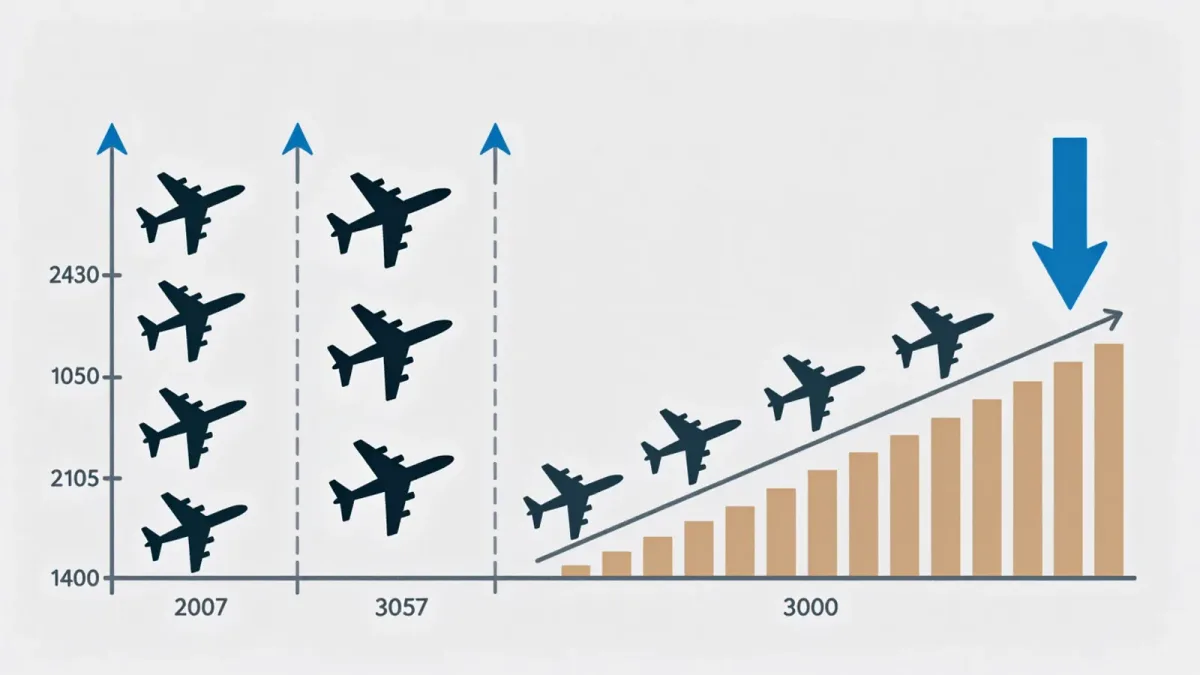
Committing to three to five years of production at once converts certainty into savings — and converts budget flexibility into contractual liability.
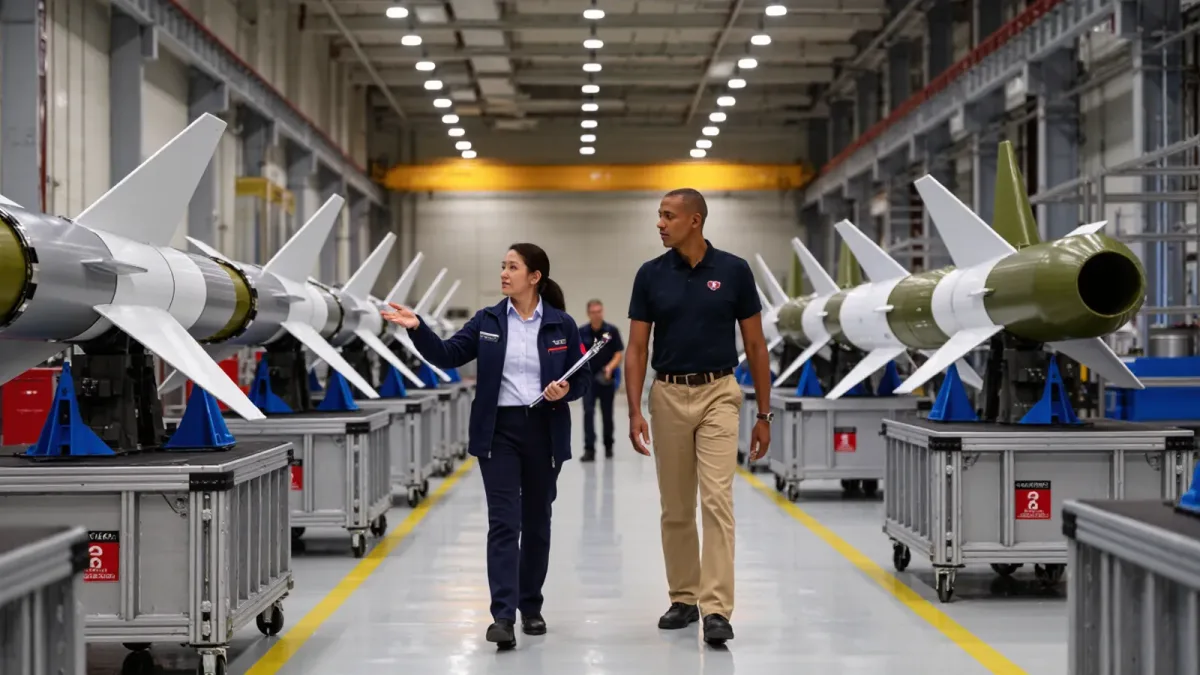
An economic price adjustment clause is a pre-negotiated escalator built into a fixed-price contract, and Federal Acquisition Regulation Part 16.203 is the rulebook that decides when the Pentagon may use one and how the price actually moves.