What an aviation mechanic actually earns, and how certification moves the number
An A&P certificate is the entry ticket. Where you work, and what you sign off on, decides the rest.
Aviation covers military aircraft across their service life: acquisition, upgrade blocks, engine performance, flying hours, availability rates and sustainment cost. Reporting draws on audit reports, fleet statistics and operator statements. Intended for aircrew, maintenance planners, procurement staff and analysts comparing what fleets can generate on a given day.
Fighters, tankers, transports and trainers covered through engines, upgrades, flying hours, availability rates and the contracts keeping them airborne.

An A&P certificate is the entry ticket. Where you work, and what you sign off on, decides the rest.

Lockheed Martin's Legion Pod trades radar energy for heat signatures, and years of U.S. Air Force test data lay out exactly how that trade works — and where the public record runs out.

Mobility aircraft fly more hours, get bought less often, and carry no glamour budget — so the Air Force's oldest jets are its most essential ones.

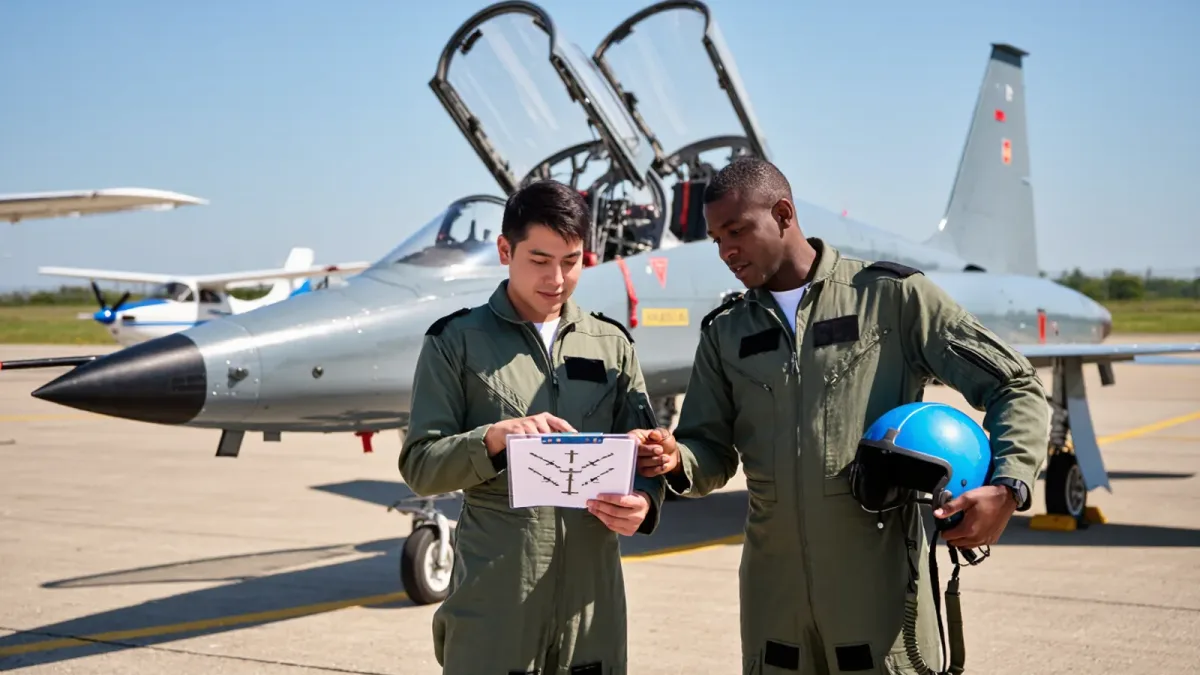
Pilot shortages are decided years earlier in training command, where trainer throughput, instructor depth, and syllabus length set the force's ceiling.
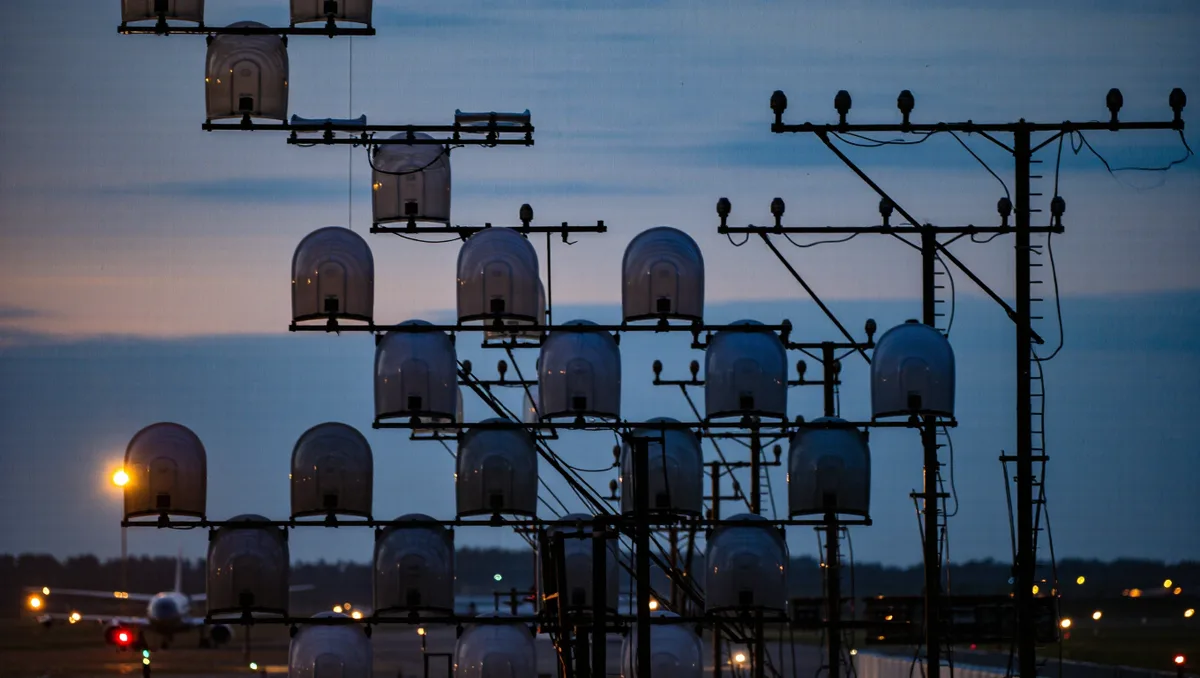
Commercial electronics die on two-to-five-year production cycles while airframes live 30 to 50 years, and the gap decides when fleets get rebuilt.

Every flying hour an air force logs is a withdrawal against a depot ledger, and the refill rate at overhaul shops caps how fast any fleet can fly.