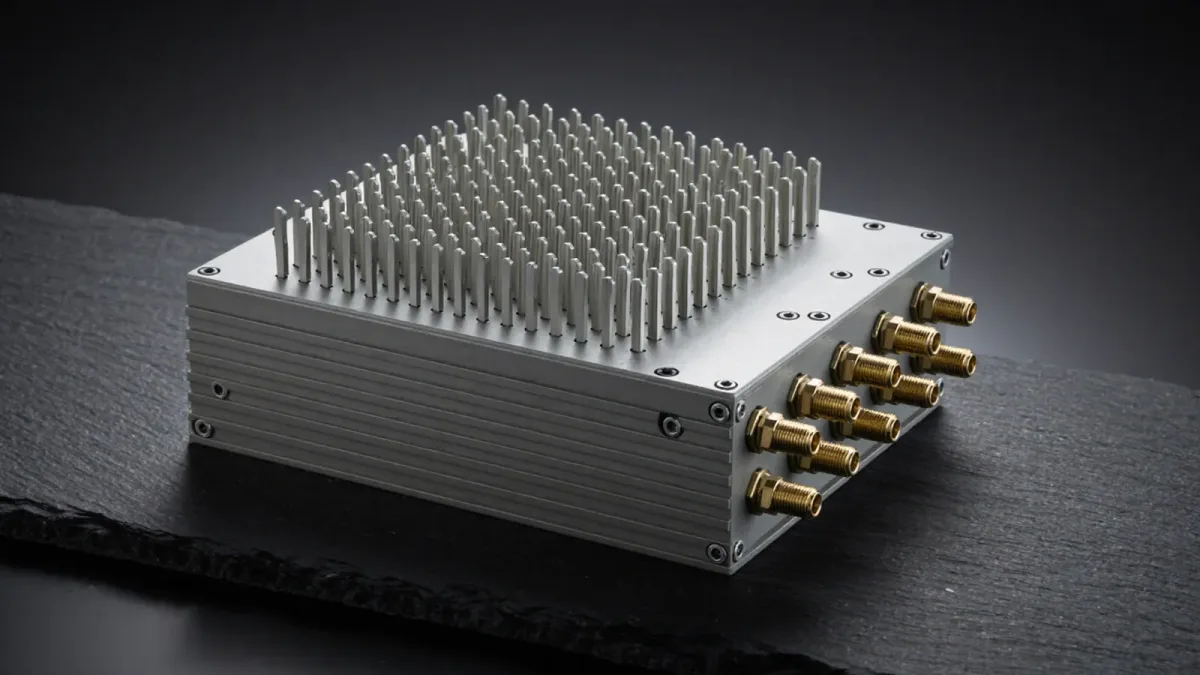
Identification friend-or-foe, or IFF, is an electronic interrogation system that decides whether a radar track may be engaged: the interrogator sends a coded challenge, a friendly transponder answers with the correct coded reply, and without that answer a track stays unknown no matter how good the radar picture is. Every modern engagement doctrine, US and allied, treats a positive friendly reply as a hard no-fire condition.
This publication is an online outlet explaining how air defense and military aviation work, not a broadcaster, and this explainer draws only on publicly documented civil and military standards — ICAO materials for the civil Mode S baseline and official service and missile-agency publications for the military context. No classified procedures appear here, because none are public.
What actually happens when an interrogator pings a target?
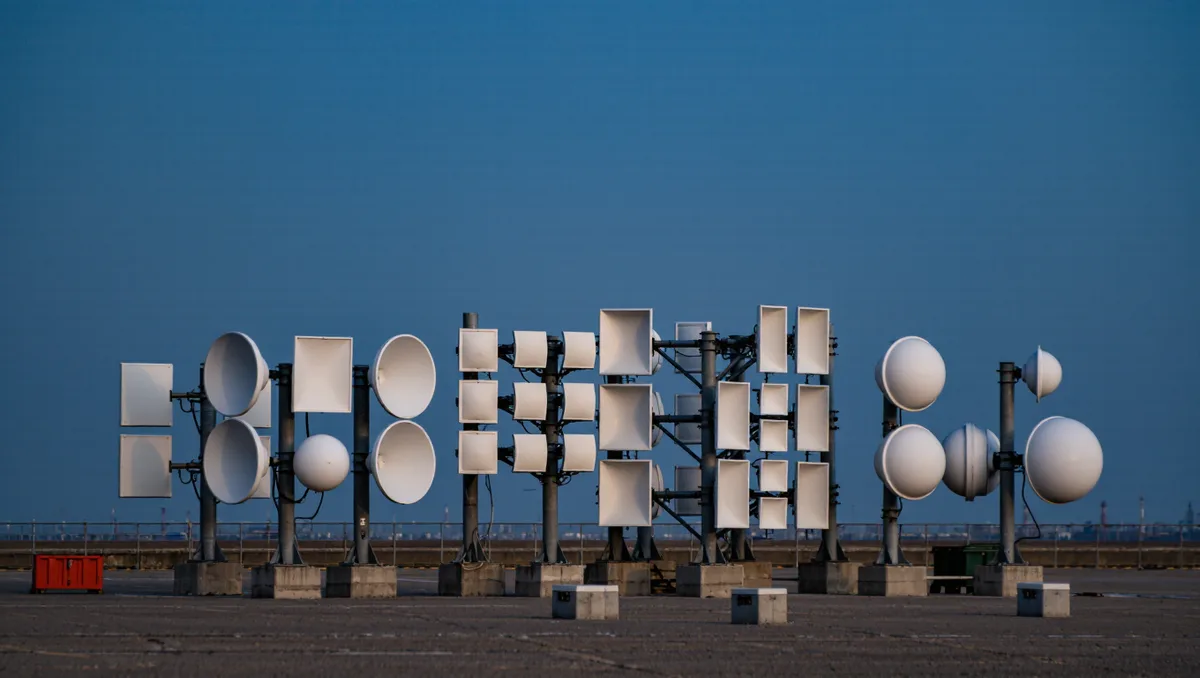
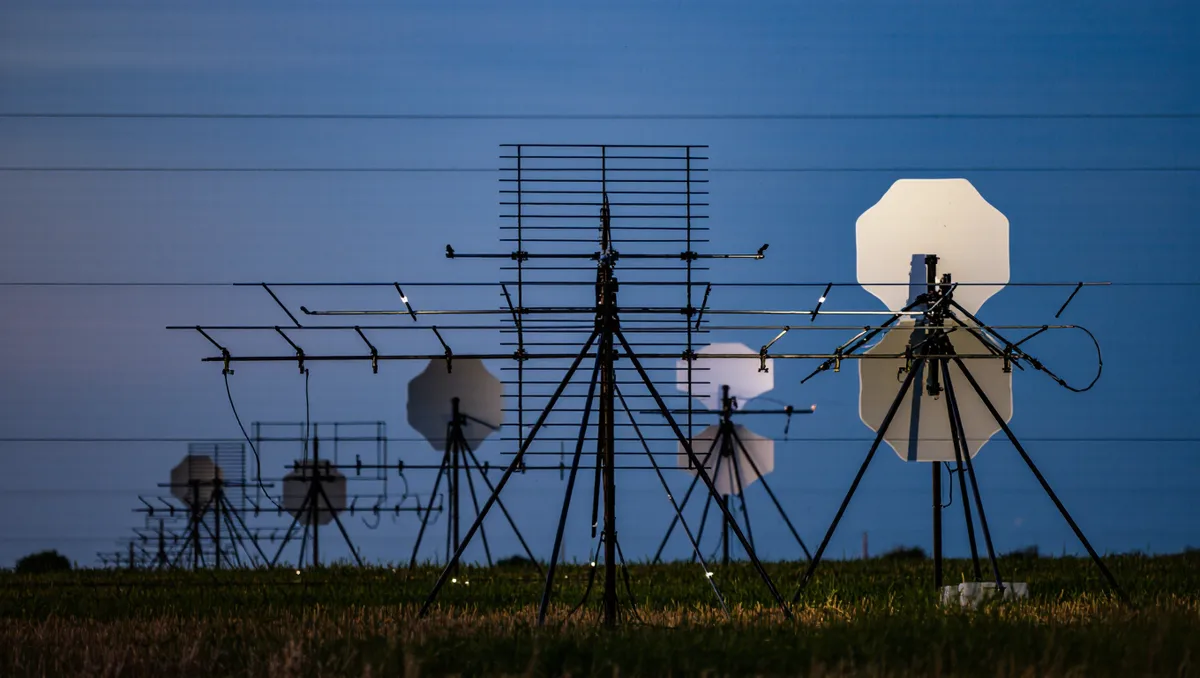
The mechanics are older than most readers assume. IFF grew out of Second World War radio technology, and the modern Mark XII military standard still rides on the same physical idea: the interrogator's antenna, usually slaved to the search radar so every detected track gets challenged automatically, transmits a coded pulse pattern; the transponder on a friendly aircraft receives it, validates the code, and transmits a structured reply containing identity and status data.
The timing is the fingerprint. A reply must come back inside a precise delay window, on the correct frequency offset, with valid parity and an in-date crypto variable. A jammer can shout, but shouting at the wrong time with the wrong codes is itself a detection event. Per publicly available standards documentation, the cryptographic keys rotate on published schedules, which is why a captured transponder is a limited gift with an expiry date.
Why does civil Mode S make the problem both easier and harder?
Civil air traffic control runs Mode S, an addressed system in which each aircraft has a unique 24-bit code and answers selective interrogation, feeding ADS-B position reports that anyone with a receiver can see. For deconfliction this is excellent. For combat identification it is a trap, because a transponder broadcast is a data handshake, not proof of intent: a transponding airliner and a transponding military transport look identical to a question that only asks who you are.
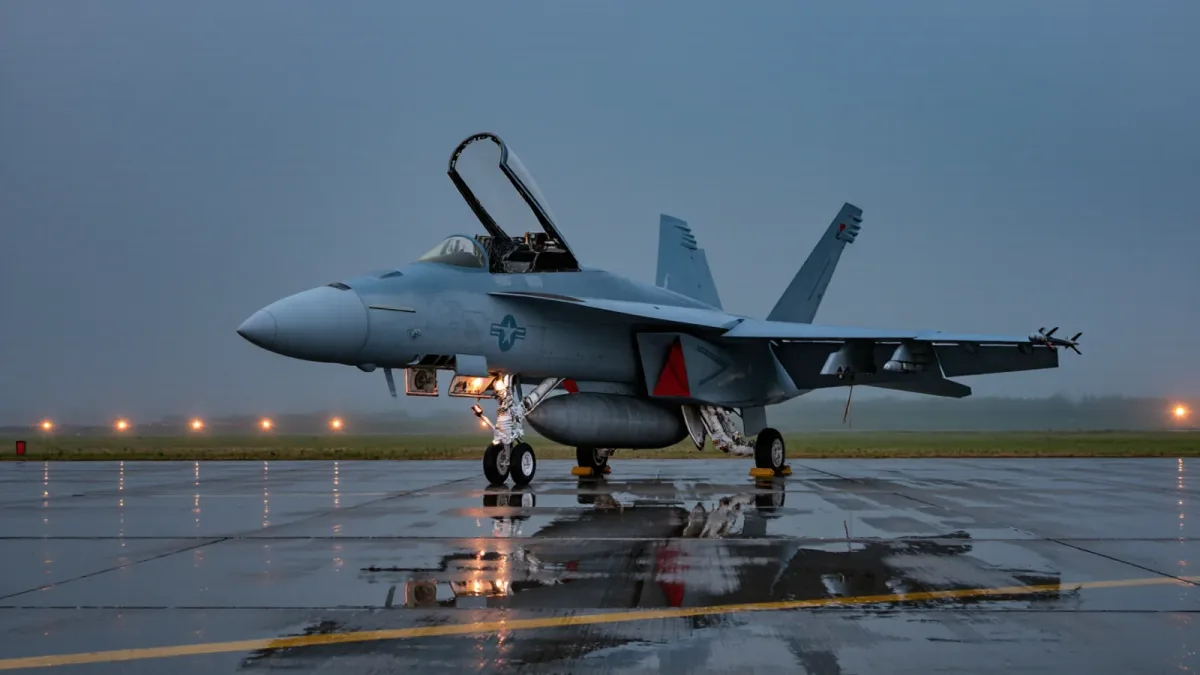
Military Mode 5, the current Mark XIIA standard per US service publications, adds cryptographic authentication to that addressed structure, so the answer tells you not just who the aircraft is but that the answer itself is genuine and current. Mode 5 also includes a Level 2 return carrying extended data, which lets an EW-equipped aircraft pass its own track quality to the interrogating ship or battery.
What happens when the answer does not come back?
Nothing fires, usually. A track that fails or declines interrogation is labeled unknown, and the engagement decision moves up the chain: what the track is doing, where it came from, what it behaves like. Navies and air defense commands publish rules of engagement frameworks, not thresholds, so the honest statement is that public sources do not establish how any specific commander balances an unknown squawk against other evidence. Friendly-fire investigations that have been released, including the US summaries of past accidental engagements, repeatedly cite failed IFF procedures — wrong codes, off-line transponders, interrogator alignment — rather than a single sensor error.
Where does IFF hit its limits?
Three limits are structural. First, transponders can be switched off — stealth aircraft go dark by doctrine, so a low-observable track's silence is not evidence of hostility. Second, coverage: interrogation is line-of-sight, so a low-flying target may be engaged-in-principle before any challenge reaches it. Third, reliance: every corner of the system assumes the crypto variables are current, which makes key management logistics one of the least glamorous and most decisive clerical systems in air defense. The interceptors, the radars, the datalinks — all of it waits on a coded question answered in microseconds. That is the whole trade.