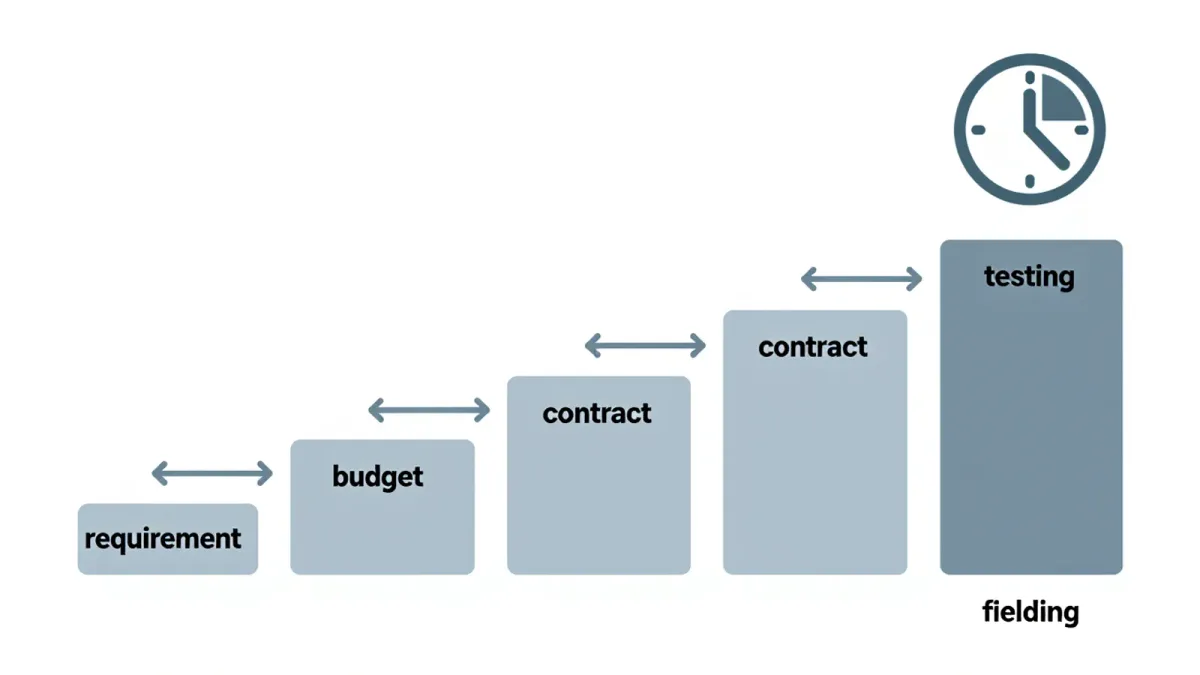
Executive Order 14383, Establishing an America First Arms Transfer Strategy, was signed on February 6, 2026 and published in the Federal Register on February 11, 2026, and it creates a Promoting American Military Sales Task Force to drive foreign military sales as an instrument of the defense industrial base, per the order's published text. For the air defense world, where every PAC-3 round and NASAMS component crosses an export decision, the order reorganizes the machinery that decides which ally's interceptor order moves first.
EDN News 12 is an online publication, not a broadcaster, and this article reads the policy from the primary document.
What does the order actually establish?
Per the Federal Register text, the order directs an America First arms transfer strategy built on advancing what it calls a technologically superior, ready and resilient national security industrial enterprise, and it stands up the task force with participation from the Secretaries of Commerce, State and other departments, per GovInfo's records. The lever is process: sales determinations, notification practice and industrial-base prioritization all sit inside executive discretion, which an order can reorganize without new legislation.
Why does this matter for air defense buyers?
Because air defense is the queue where demand outruns supply. Patriot interceptors, NASAMS missiles and their components are produced on lines with multi-year backlogs, so the binding constraint for most buyers is not money but position in the US export and production sequence. An order that instructs the machinery to prioritize American interests, read: domestic readiness and favored sales, changes who waits. Per the White House's presidential action page, foreign purchases and capital are framed as tools to build the US defense industrial base itself.
How does it interact with Congress's role?
The order does not strip Congress of its statutory review over arms sales, but administration practice around notifications is already moving: per the Defense Security Cooperation Agency's public postings, future FMS notifications began being published through the State Department under the new strategy following Executive Order 14383's February 6, 2026 signature. Where notifications live determines how visible a proposed Patriot sale is before it signs, and visibility is the raw material of congressional review.
What should watchers track next?
Three indicators through 2026: the task force's first recommendations and any changed notification timelines; whether allied air defense orders, from Patriot rounds to NASAMS missiles, move faster or slower through the queue; and any tension between export priority and domestic interceptor stocks. Publicly available sources do not yet establish the task force's membership list or meeting schedule.
Every interceptor sold abroad is a scheduling decision about the factory at home. That is the whole philosophy.