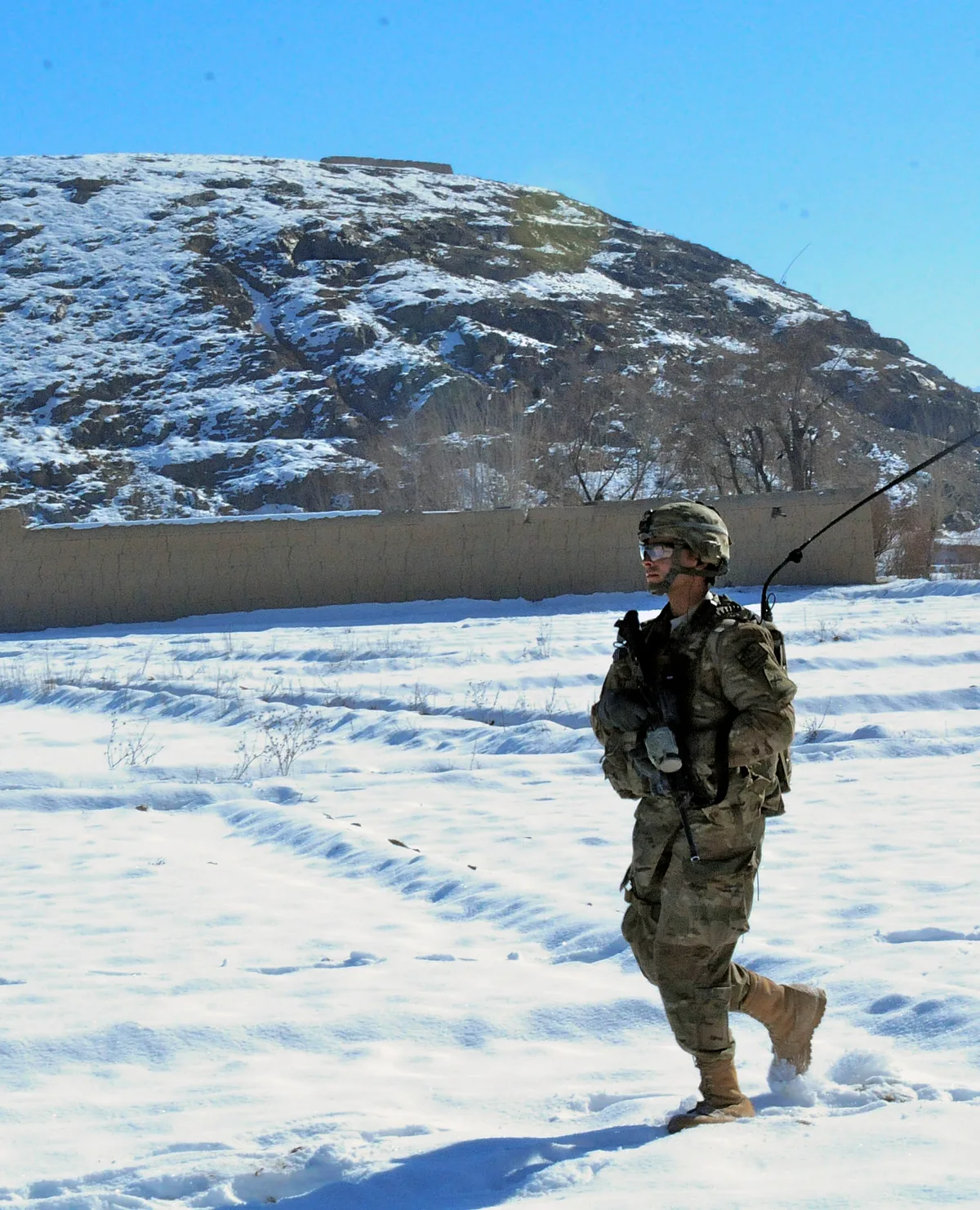
When an aircraft or a missile turns toward friendly troops or a city, someone has to stop it. In the U.S. Army, that job belongs to air defense artillery. The branch is built around one plain idea. See the threat. Decide fast. Shoot it down before it hits anything that matters.
This guide explains how that chain works. Open sources describe a process in three steps. First, detect the target. Second, decide whether it is hostile. Third, engage it with the right weapon. Let us walk through each step. Then we will watch a real system run the whole loop.
The Mission in One Sentence
The Air Defense Artillery Branch is the air defense branch of the United States Army. According to Wikipedia, it specializes in anti-aircraft weapons, such as surface-to-air missiles. Its best-known tools are the Patriot missile system and the THAAD system. It also fields the Avenger, which fires the Stinger missile. The Army's stated mission, quoted on the same page, is to protect the force and key assets from air attack, missile attack, and surveillance. Strip away the formal words, and it means this. Keep the sky safe over soldiers, cities, and key sites.
Step One: See It Coming
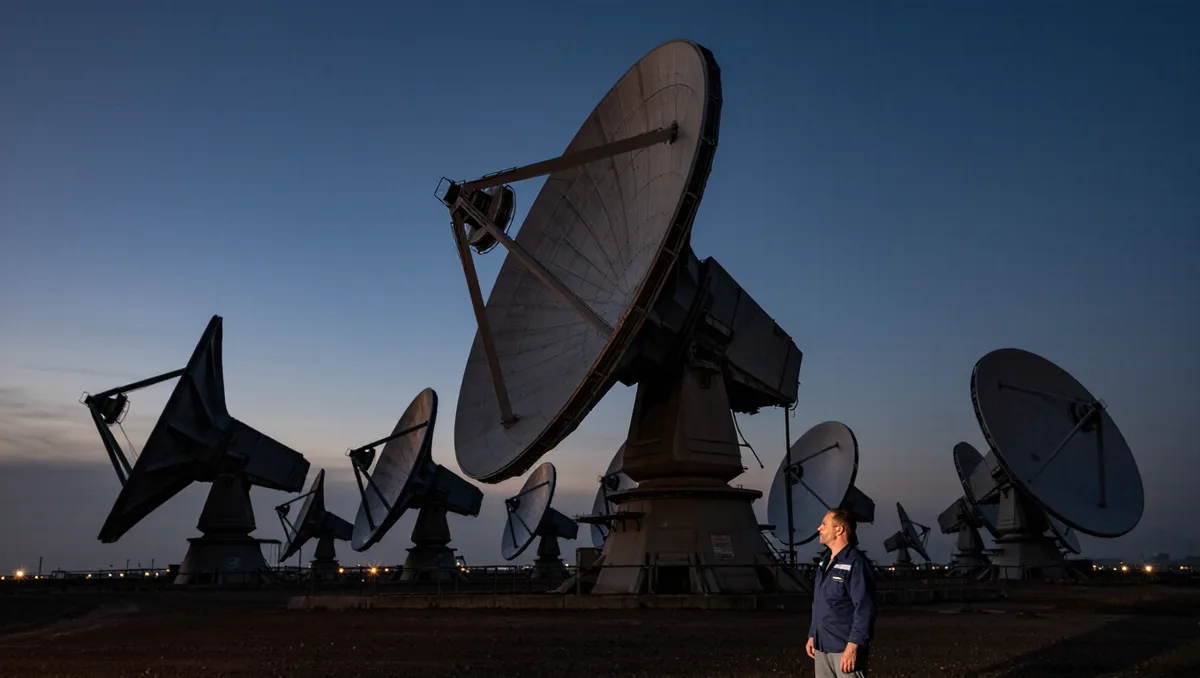
Everything starts with detection. You cannot stop what you cannot see. Radar does the watching. A radar sends out radio waves, then reads the echoes that bounce back. According to Wikipedia's overview of anti-aircraft warfare, radar systems find the range, height, direction, or speed of aircraft. They also give warning during defensive operations. Early warning is everything in this trade. Jets and missiles cross huge distances in minutes. Every extra second gives defenders more room to act.
No single radar sees the whole sky. So defenses knit many sensors into one net. The same source defines air defense as more than weapons. It includes the sensors and the command and control links that guide them. That teamwork turns scattered glances into one clear picture. Readers following this should also see How a layered integrated air defense system turns scattered sensors into one engagement decision.
Step Two: Decide Whether It Is a Threat
A dot on a radar screen is not always an enemy. Airliners, drones, and friendly jets fill the sky each day. Crews must sort friend from foe before anyone fires. Military aircraft are checked as friend or foe before they are engaged, according to Wikipedia. That sorting is where command and control earns its keep. The same source notes that the United States and its NATO allies run air defense under one joined command. One shared picture of the sky guides every shooter.
Step Three: Engage the Target
Once a target is marked hostile, the weapon takes over. In modern air defense, that weapon is usually a surface-to-air missile. Wikipedia describes the flow in plain terms. An air-search radar finds the target. The system tracks it while the missile locks on. Then the missile is fired. Guns still guard very short ranges. But missiles now run the field. The whole fight happens fast. Crews drill the steps until they run without thought. This connects to our earlier piece, Passive sensors let a modern air defense see without switching on.
A Real Example: The Patriot Battery
The Patriot shows how the three steps fit in one system. Wikipedia calls the MIM-104 Patriot a mobile surface-to-air missile system. It is the main such system of the United States Army. The system has four main jobs, according to the same source. These are communications, command and control, radar watch, and missile guidance.
The layout is easy to picture. The fire unit holds the radar, the control station, the antenna mast, and the power plant. Launchers stand beside it. One radar does search, ID, tracking, and targeting in a single unit. Wikipedia calls this a detection-to-kill design. The whole package moves too. A battery-sized element can be set up in less than an hour, according to the source.
Conclusion
Air defense artillery works as a loop, not a single machine. Radar sees. Commanders decide. Missiles engage. The loop repeats for every contact, every hour of the day. Each link depends on the others. A perfect missile is useless without warning. Perfect warning is useless without a decision. When all three steps click, the threat falls. The people underneath never even hear it coming.