
Topic
Layered Air Defense 101: Why No Single System Protects Everything
Layered air defense arranges different systems in rings so each covers the gaps of the others. Here is why no single system protects everything.
Layered air defense arranges different systems in rings so each covers the gaps of the others. Here is why no single system protects everything.

Dispatchers, mechanics, controllers and ramp teams do the work that makes a flight possible long before the doors close.

Panel lineups, booth floors and side briefings carry the real news. Here is how to find it.
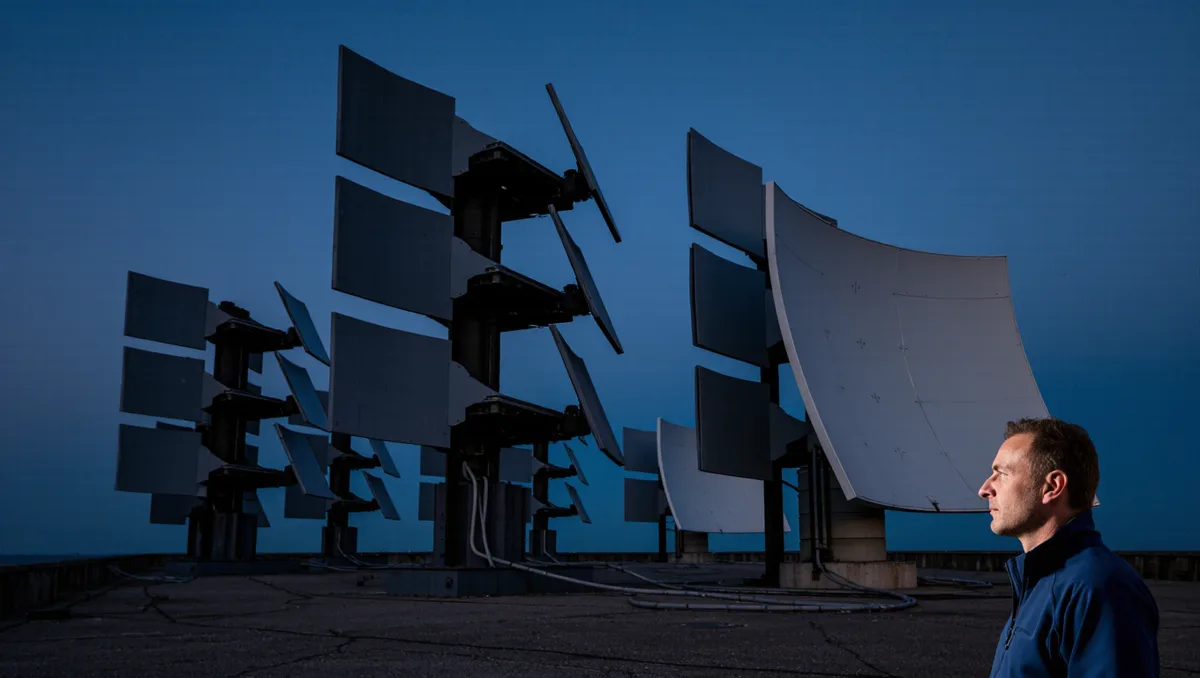
Defense procurement is how governments buy weapons and military equipment. Here is how the process works, why special rules apply, and where the risks lie.

An air defense operations center turns scattered radar data into one picture of the sky. Here is how the room works, from sensors to decisions.
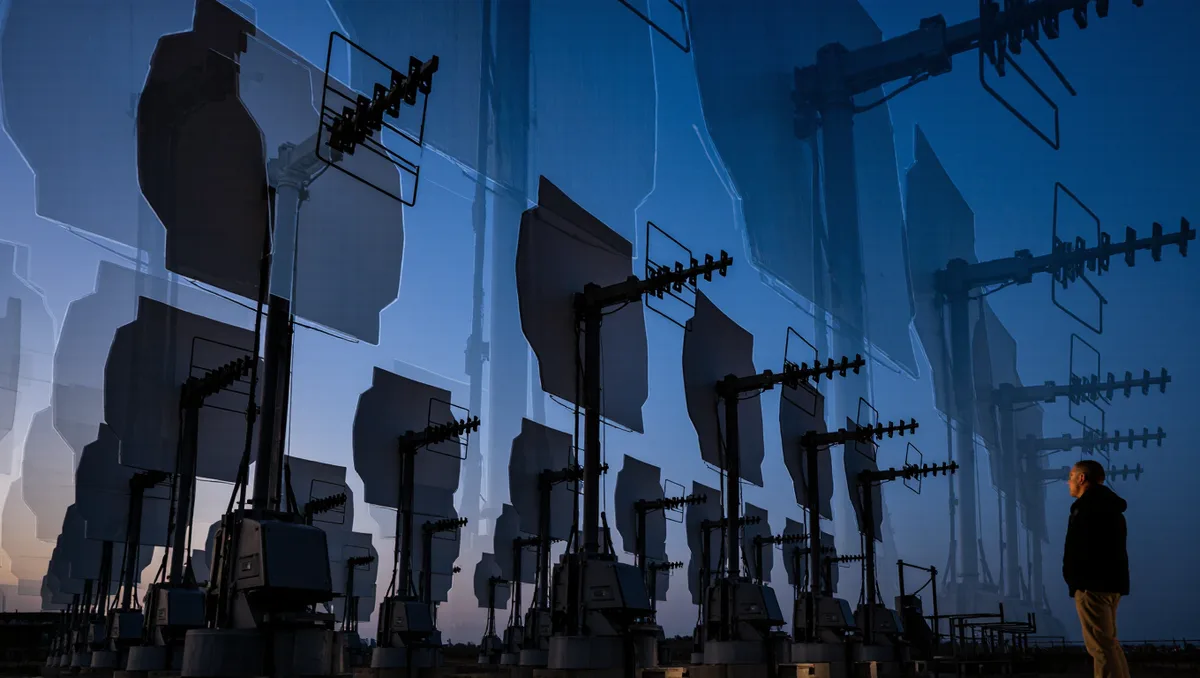
From Patriot crews to early-warning operators, here is what air defense artillery soldiers actually do each day, based on official Army job descriptions.

Air defense artillery follows a simple loop: radar sees the threat, commanders decide, and missiles engage. This plain-language guide walks through each step.

An air defense identification zone is not a border but a buffer that buys defenders time. Here is how ADIZ rules work and why the lines in the sky matter.

The meetings, the arguments, and the budget line that decide what lands on the front page.
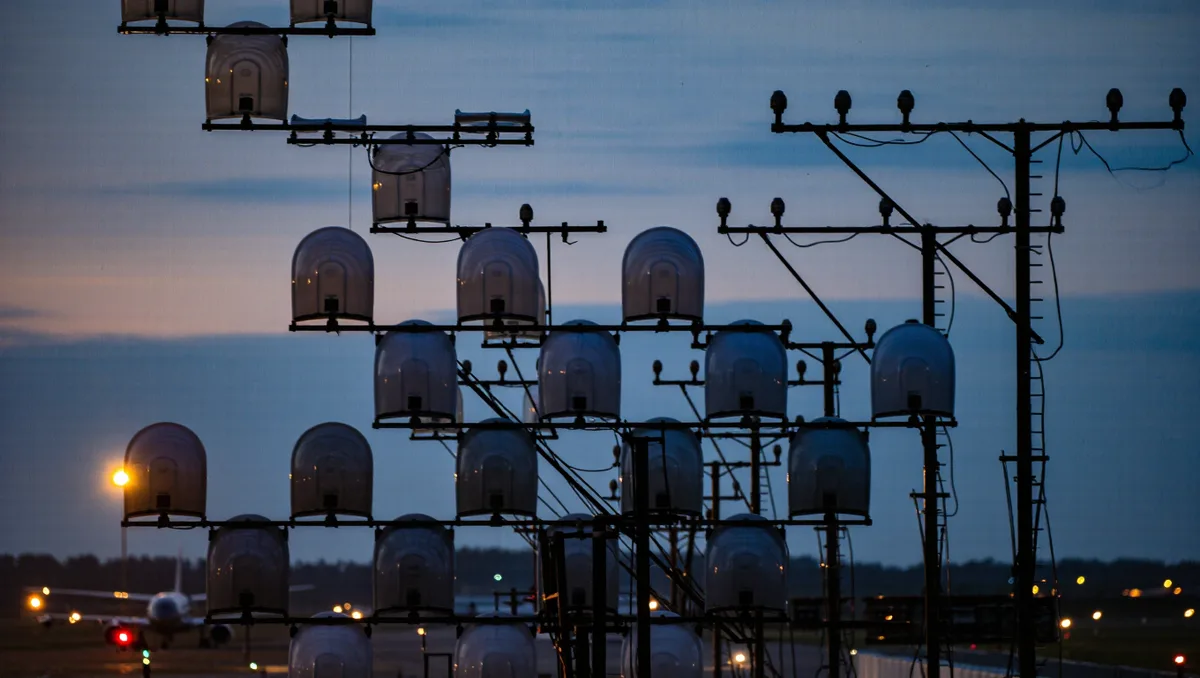
Rzeszów and Lublin airports briefly stopped flights so military aircraft could work in Polish airspace. Here is what actually happened on September 23, and what each moving part does.