Why an interceptor can cost a hundred times the drone it downs
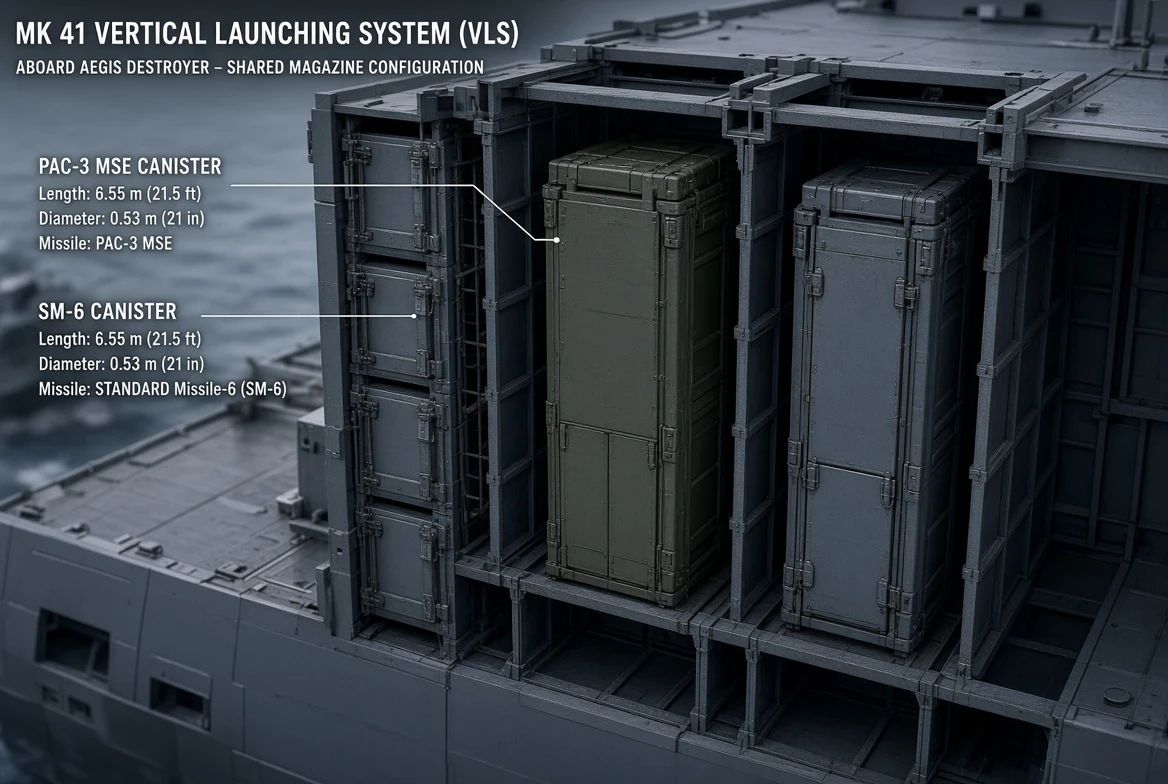
The cost-exchange problem, from a $4 million PAC-3 MSE round to tens-of-thousands-of-dollar drones — and how defenders are re-tiering their magazines.
Surface-to-air systems explained layer by layer: sensors, interceptors, command links, magazine depth and the cost per engagement each design accepts.

The cost-exchange problem, from a $4 million PAC-3 MSE round to tens-of-thousands-of-dollar drones — and how defenders are re-tiering their magazines.

Every interceptor fired is inventory that cannot be replaced in days, and attackers have learned to count.

A radar's coverage is a line-of-sight calculation before it is a performance number — hills, horizon, and antenna height cut the published range down to a site-specific shape.

The hardest target in air defense is not an aircraft but a small, cheap, ballistic lump of steel on a 60-second flight.

The Earth itself is the first stealth coating: below the radar horizon, a cruise missile is invisible until seconds matter.

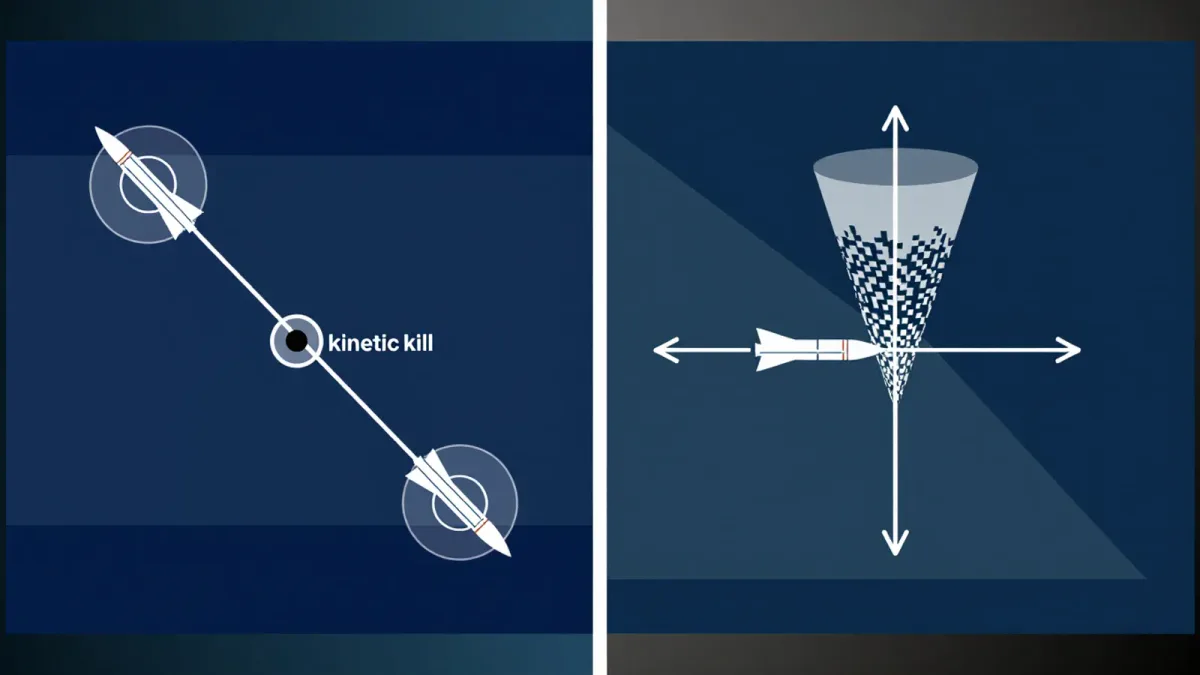
The advertised range of an interceptor is where its box begins, not where it ends — engagement zones are cut down by geometry, timing, and kill probability.