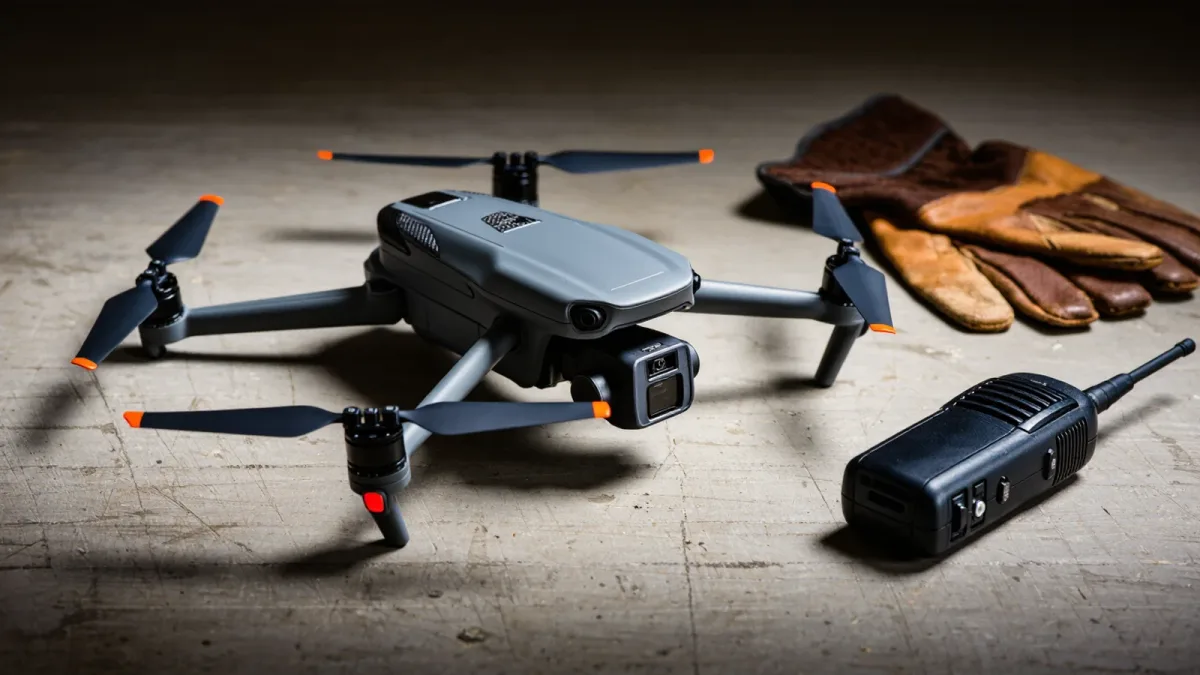
The drone problem cannot be solved by any single sensor or shooter because the target set spans five orders of magnitude in size, speed, altitude, and cost: a 250-gram quadcopter and a one-tonne one-way attack drone share the category label UAS but behave like two different threat species, per the size classes used in U.S. Department of Defense counter-small-UAS strategy documents published since 2021. A $4-million interceptor that defeats the second is economically absurd against the first, and a jammer that grounds the first does nothing to the second.
What follows is the mechanism, not the advocacy: which layers exist, what each one sees and costs, and why the cost-per-kill curve forces defenses to stack effects rather than buy a silver bullet. EDN News 12 draws on open sources only, and publicly available sources do not establish definitive operational effectiveness rates for most counter-drone systems in actual use.
Why is one radar not enough to find every drone?
No single radar covers the whole drone threat because physics sets a different trade for each size class. A small Group 1 quadcopter flies slowly at low altitude, and its tiny radar cross-section drowns in ground clutter and bird traffic; radars tuned to see it must cover a short range, because a small antenna at high frequencies loses reach. Larger drones are easy targets for conventional air surveillance radar but so are weather, birds, and aircraft, so the detection problem becomes a sorting problem.
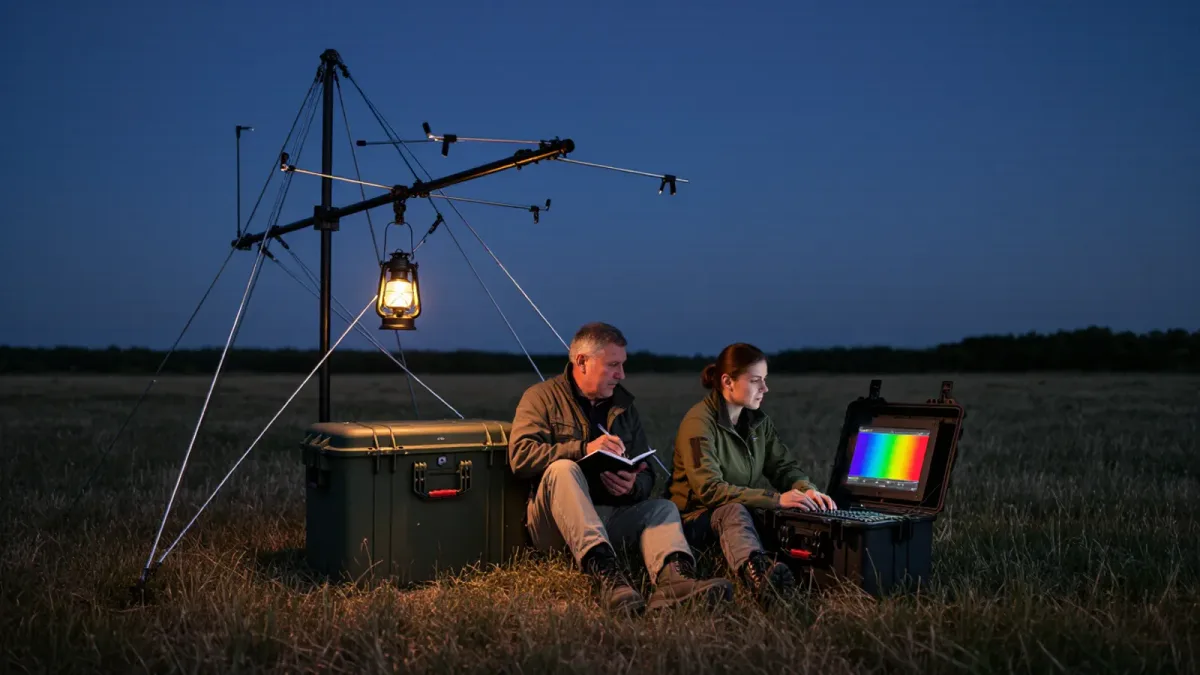
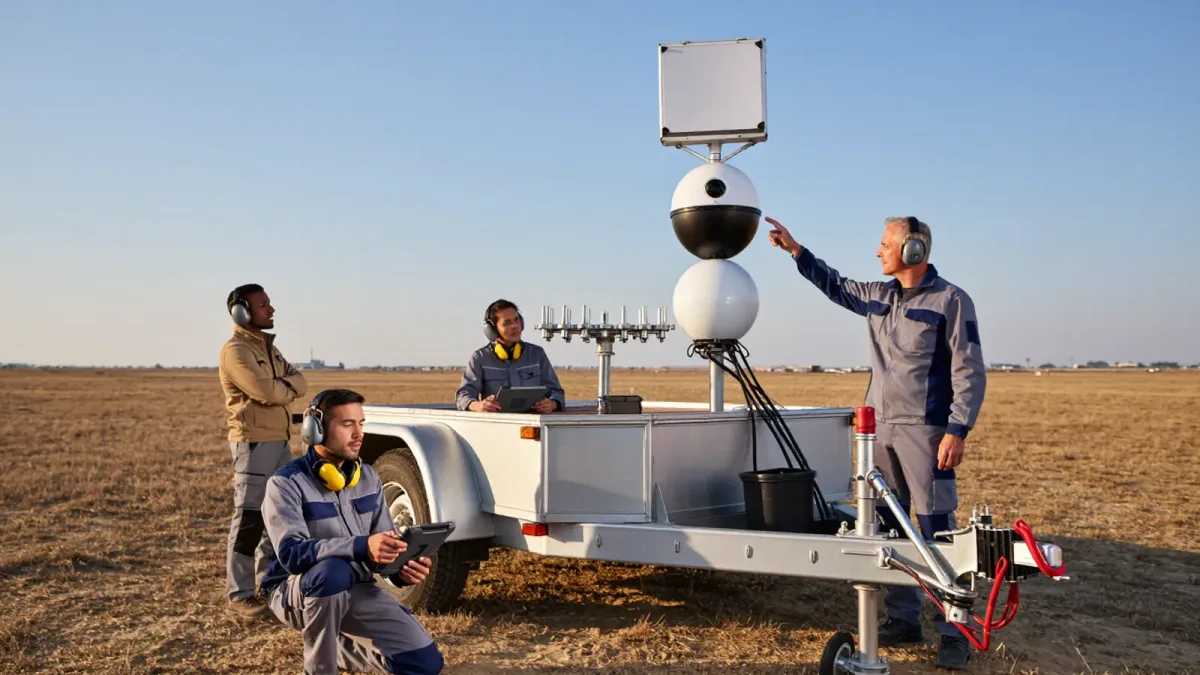
That is why fielded architectures stack sensor types, per the layered construct described in U.S. Army counter-UAS materials: radar for track initiation, radio-frequency direction finders to catch the drone's own control or video links, electro-optical and infrared cameras to confirm identity visually, and acoustic arrays as a low-cost supplemental cue. Each sensor contributes a fragment, and the fused picture is better than any component. The rule that emerges from the open literature is blunt: every counter-drone system that claims one sensor does everything has quietly narrowed its definition of drone.
What can actually shoot a drone down?
The shooter menu runs from crude to exquisite, and each entry covers a band of the threat spectrum.
- Radio-frequency jamming and spoofing: defeats drones dependent on their control link or satellite navigation, cheap per engagement, but useless against autonomous or fiber-guided systems.
- Guns and net effects: effective against small drones at short range; the U.S. Army fielded networked gun systems and interceptor projectiles for exactly this band.
- Interceptor drones and guided rounds: a mid-cost band between jamming and missiles, filling the gap that pure economics left open.
- Surface-to-air missiles: the reliable answer against large attack drones, at a cost of roughly $1 million or more per engagement for many systems, per DoD budget documents, an exchange ratio that works only against the biggest UAS.
- Directed energy: the U.S. Army's 50-kilowatt Stryker-mounted laser, publicly demonstrated in 2022-2023 exercises, promises near-unlimited shots for the cost of power, limited by weather, line of sight, and dwell time.
None of these alone spans the spectrum. The jammer is defeated by fiber-optic control, a technique widely reported in Ukrainian battlefield coverage through 2024-2025. The missile is defeated by economics. The laser is defeated by fog and by drones that do not hold still. Stack them, and each covers the others' exemptions.
Why does cost per kill dominate the counter-drone fight?
Cost per kill is the governing curve because drone raids are cheap by design. When Houthi forces attacked shipping in the Red Sea through 2023-2025, U.S. Navy officers publicly acknowledged, in testimony and statements covered by Reuters and Breaking Defense, that firing missiles costing around $2 million at drones costing perhaps $20,000 was a losing exchange sustained only because the defended ships were worth more still. Every subsequent procurement debate, including the Pentagon's accelerating investment in counter-UAS programs documented in budget requests through 2025, has been a search for effects that reverse that ratio.
The search produces a rule: match the cheapest effective effect to each target class. Jam a $500 quadcopter. Net a $5,000 fixed-wing drone. Put a guided interceptor round, costed in the tens of thousands, into a $50,000 one-way attack drone. Spend a missile only when nothing cheaper can reach the target in time. A defense that inverts this rule, firing its dearest effect first, defeats its own magazine before the decisive raid arrives, which is the drone raid's actual purpose: to make the defense spend its expensive shots early.
How do the layers fit together in practice?
A working counter-drone system is a sequence, not a list: detect, fuse, decide, effect, assess, with the cheapest applicable effect assigned at the decide step. Sensors hand cues to shooters the way early warning hands cues to fire control in conventional air defense, and the command node's main daily job is target discrimination, deciding which of fifty tracked contacts is a threat and which is a bird, an airliner on approach, or an own-force drone. Public incident reporting around airport disruptions in Europe through 2024-2025, covered by the BBC, showed how costly discrimination failures can be even without a single hostile shot fired.
Assessment closes the loop and is the least public layer. Knowing whether an effect worked, whether the drone crashed, diverted, or completed its run, determines whether a second shot is needed and which effect to try next. In contested environments, per the standard caveat, wartime claims about counter-drone effectiveness are contested information, and open-source analyses of the Ukraine war through 2025 consistently found published interception percentages to be rough estimates rather than audited figures.
What would a real solution look like?
The honest answer is that no single-technique solution exists and the search for one misreads the problem. Drones are cheap because they reuse commercial components, so the threat will keep diversifying faster than any one effect can be optimized against it. The defensible posture, visible in the direction of U.S. and allied procurement through 2025, is layered: a fused sensor picture, a deep menu of effects ordered by cost, and a command layer disciplined enough to spend the cheap shots first. That is unglamorous. It is also the only structure the economics permits.