Every flight you take rests on a small army of people who never leave the ground. Dispatchers plan the route, mechanics certify the aircraft, controllers sequence the traffic, and ramp crews turn the airplane around between legs. Aviation careers reach far past the flight deck, and most of them come with certifications, shift patterns and pay scales that reward precision over glamour.
The scale explains why these jobs exist at all. According to Wikipedia's aviation overview, the ICAO counted 9.5 billion passengers worldwide in 2024, and the industry is one of the most tightly regulated on earth. Regulation is the reason most ground-side roles carry a licence or certificate of their own. You cannot simply walk into a hangar and sign off an engine change.
This piece walks through the four ground-side crews behind a typical commercial flight, what each one actually does, and how you would get into the work. For more on the wider field, our aviation coverage tracks the fleets, contracts and maintenance economics these jobs support. For related coverage, see What an aviation mechanic actually earns, and how certification moves the number.
What does a flight dispatcher actually do?
A dispatcher shares legal responsibility for a flight with the captain. That is the part most people miss. Before departure, the dispatcher builds the operational flight plan: fuel loads, alternate airports, expected winds, and weight-and-balance figures. The captain reviews it, and both sign it. If weather closes the destination, the dispatcher is the one re-planning the diversion while the aircraft is still in the air.
The job suits people who like systems and paperwork with consequences. Training typically runs through an aircraft dispatcher certificate course, in the United States issued under FAA rules, covering meteorology, regulations and flight planning. Airlines hire dispatchers into a 24-hour operations centre, so expect rotating shifts. The work is invisible when it goes well, which is most of the time.
Why are aircraft mechanics the backbone of the industry?
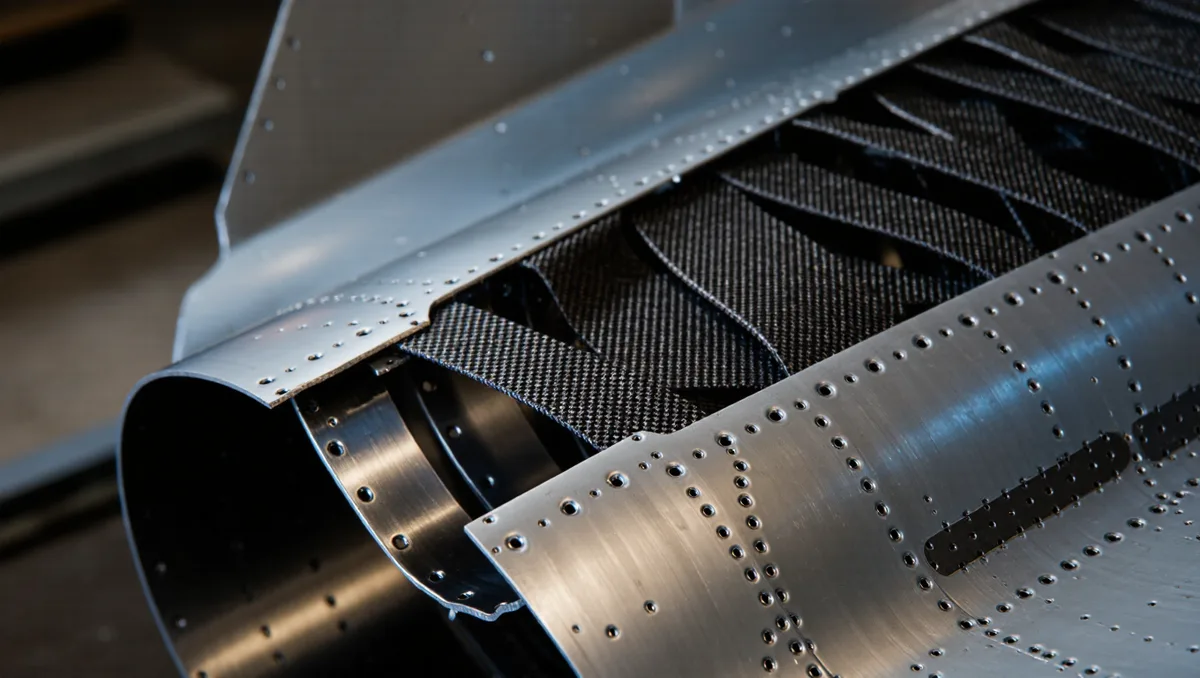
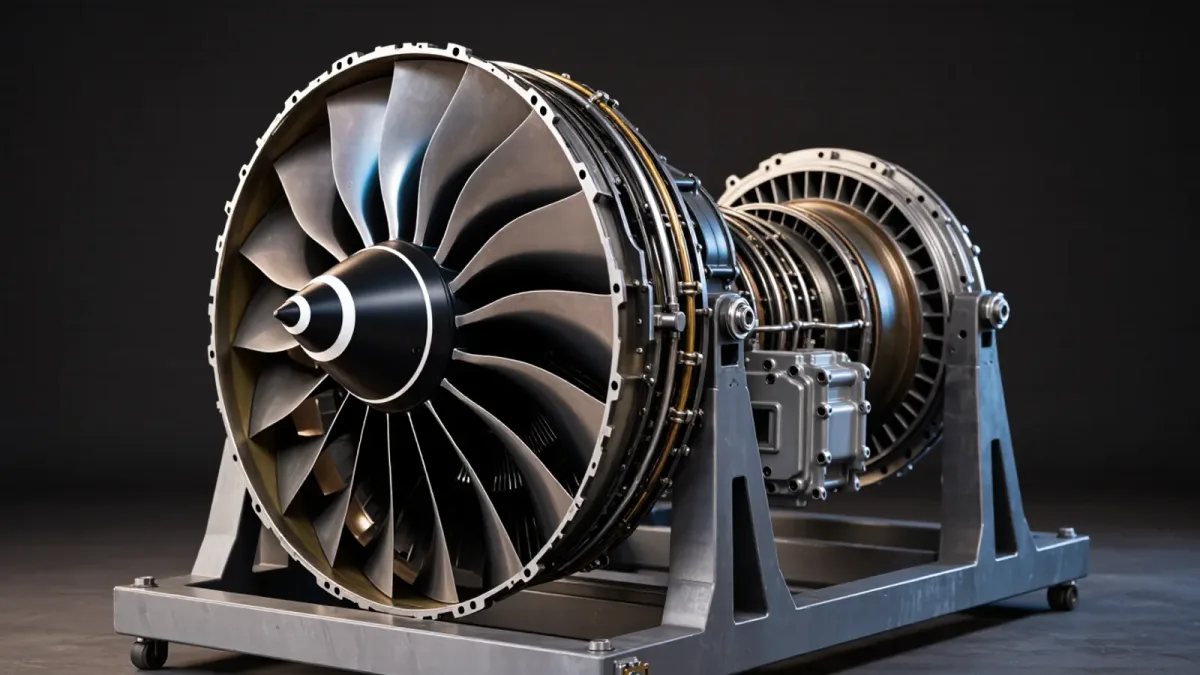
No aircraft flies without a mechanic having signed it back into service. Inspections run on fixed schedules, from quick daily walkarounds to heavy checks that take an aircraft out of service for weeks. The mechanic who signs the release is personally accountable for that signature, which is why certification matters so much to the career.
We have covered the money side in detail: what an aviation mechanic actually earns, and how certification moves the number. The short version is that licences and type experience, not seniority alone, drive the pay. The same maintenance logic governs military fleets, where engine overhaul cycles set the real tempo of an air force's flying hours. This connects to our earlier piece, How engine overhaul cycles set the real tempo of an air force's flying.
The trade is also under pressure. Airlines and repair shops have competed for licensed technicians for years, and fleets keep growing. For anyone weighing a trade against a degree, the hangar path is shorter, cheaper and far more hands-on.
What do air traffic controllers actually control?
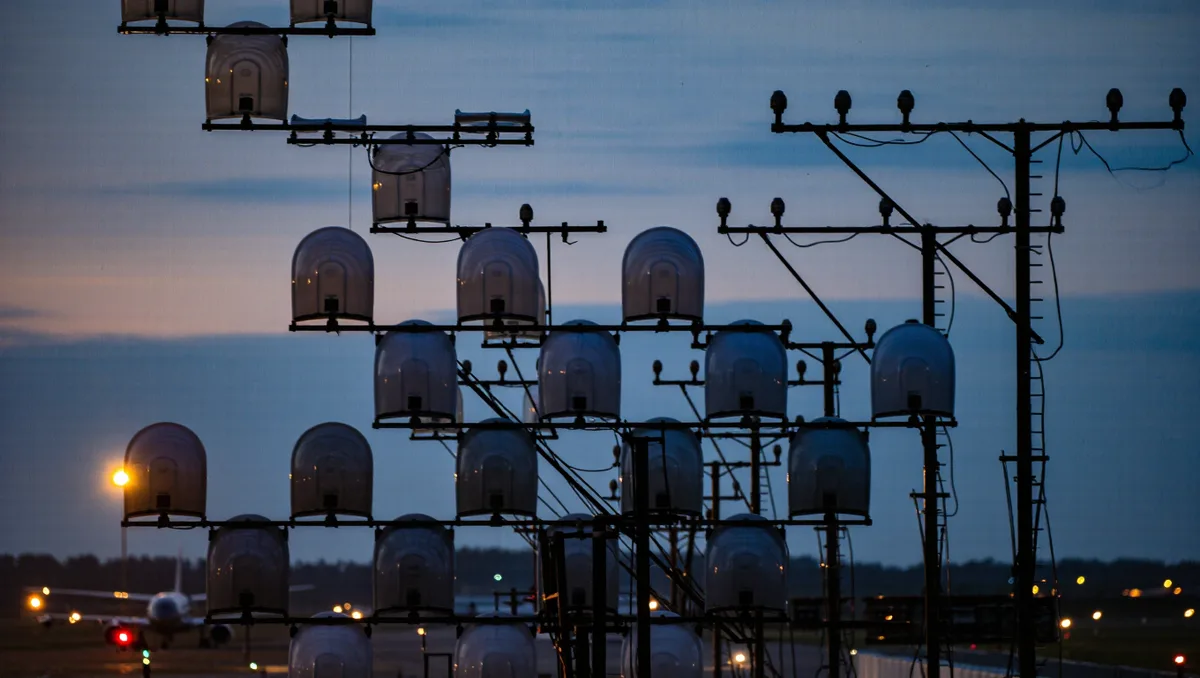
Controllers do not fly aircraft. They manage separation, the guaranteed spacing between aircraft that keeps wake turbulence and conflict risk manageable. A tower controller works the runway and local airspace. An approach controller hands aircraft onto the arrival stream. An en-route centre controller works cruise traffic across whole regions, talking to crews on radio频率 and watching radar and datalink feeds.
The training funnel is narrow and deliberately so. Candidates pass aptitude screening, then spend years in academy and on-the-job training before working traffic unsupervised. Shift work is permanent, because towers and centres never close. The reward is one of the most concentrated skill sets in transport: a person who can read a traffic picture the way a mechanic reads an engine gauge.
Controllers also depend on what the aircraft tells them. Our explainer on what a transponder tells air traffic control covers the squawk codes and Mode S datalinks behind every radar return.
What happens on the ramp during a turnaround?
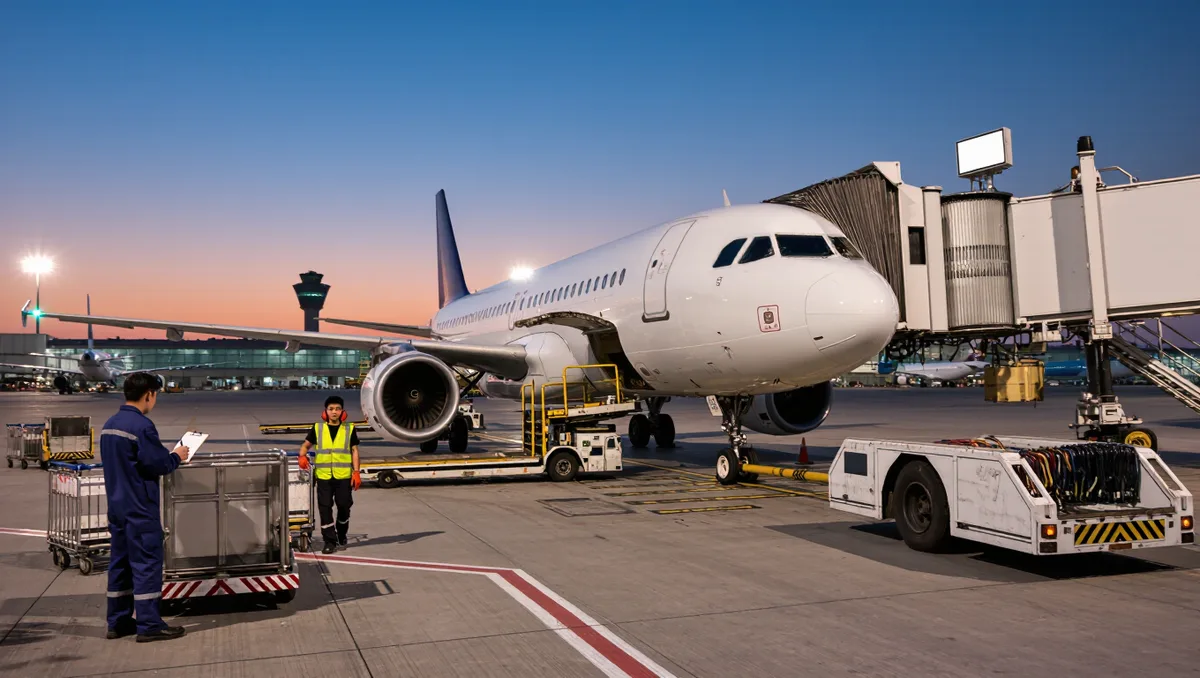
The ramp crew is the part of the system passengers see and rarely register. Between arrival and departure, a narrowbody aircraft needs baggage unloaded and loaded, fuel uploaded, catering restocked, lavatory service, a push-back tug, and marshalling into position. A tight turnaround runs in well under an hour, and every minute is choreographed against the schedule.
Ramp work is physically hard and weather-exposed. It is also the entry point many airline careers start from, with paths leading into load control, ground operations management or maintenance. The safety stakes are real: ground damage and ramp incidents are a steady cost driver for airlines, which is why procedures around aircraft movement are strict and audited.
De-icing sits at the sharp end of ramp work in winter. Our explainer on what de-icing really does to a wing explains why holdover time rules are strict and why the ramp crew's timing matters as much as the fluid.
How do you actually get into one of these aviation careers?
Each path has a different door. Mechanics train through an approved programme or military experience, then sit certification exams. Dispatchers complete a certificate course, then airline-specific training. Controllers enter through a national recruitment process and an academy. Ramp and ground roles hire directly, with training on the job.
What the paths share is regulation. Aviation is supervised at national and international level, and the layering is deliberate: ICAO sets global standards, and national authorities implement them. As ScienceInsights explains in its overview of aviation's definition, history and sectors, that layered system of global standards adapted to local rules is what lets aircraft from different countries share the same skies safely. The same framework defines who may sign, dispatch and control.
Practical steps if you are starting out:
- Pick the role first, then the training route. Certification requirements differ sharply between hangar, ops centre and tower.
- Check the entry requirements for your country's authority early. Medical and background standards apply to safety-critical roles.
- Expect shift work in all four careers. Operations run around the clock, and the schedules reflect it.
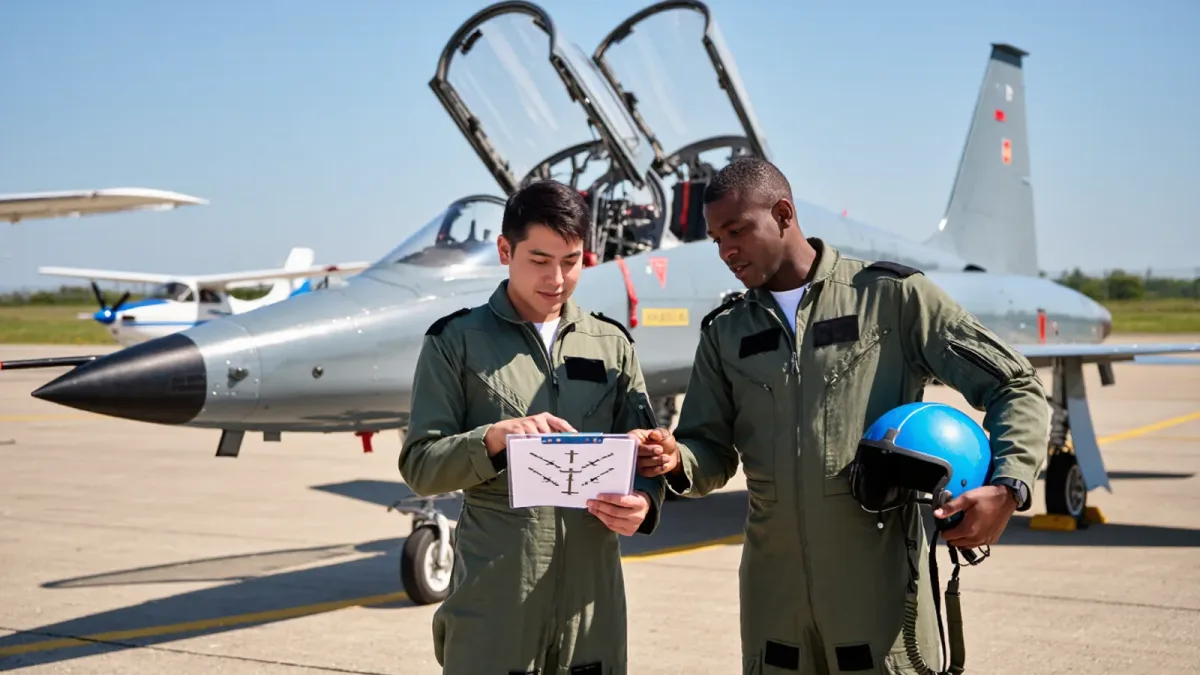
- Treat military experience as a legitimate fast track. Ex-military technicians and controllers fill a large share of airline and civil vacancies.
What this means is simple. The cockpit gets the attention, but the flight is a chain of certified hands: dispatcher, mechanic, controller, ramp crew. Break any link and the aircraft does not move. For anyone who loves the machinery more than the flying, that chain is where the careers are.
The takeaway on aviation careers beyond the cockpit
The evidence points one way. Aviation carried just under five billion passengers on more than 38 million flights in 2025, per the ScienceInsights overview citing industry figures, and none of that volume flies on pilots alone. Ground-side roles are regulated, certified and steadily in demand. What remains unclear is only the local picture: hiring cycles, pay and entry requirements vary by country and by employer, so verify them against your own national authority before committing to a training route.