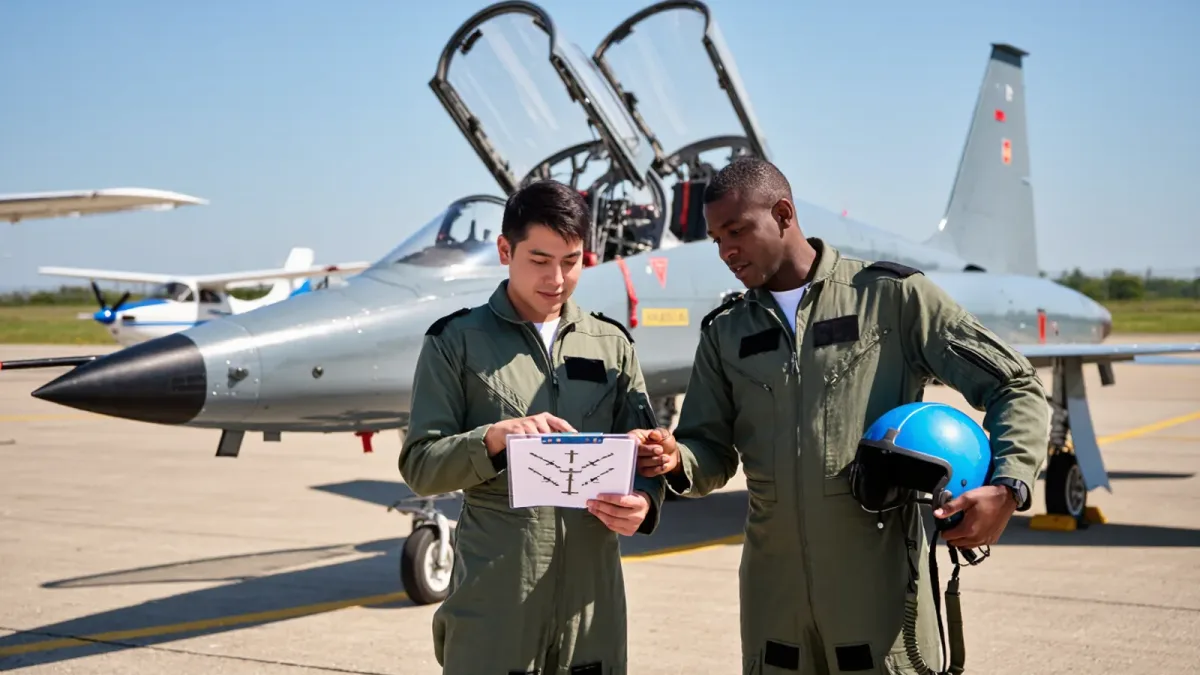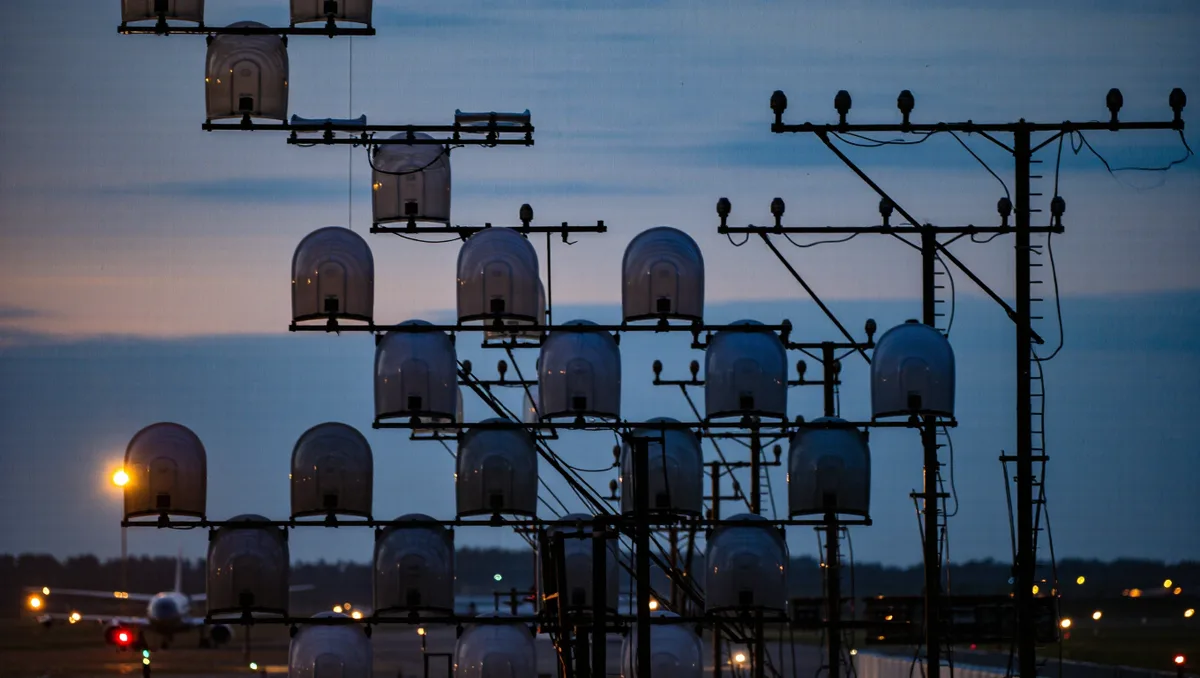
Poland deployed military aircraft, air defense systems and electronic reconnaissance assets on September 23 after Russia again struck Ukraine with airborne weapons. Airports in Rzeszów and Lublin temporarily suspended flights so military aircraft had room to operate, according to reporting by UNITED24 Media. Both airports resumed normal operations once the Polish military operation concluded.
The response fits a pattern. Less than a week earlier, on September 17, Polish Prime Minister Donald Tusk said Russian drone strikes had taken place in Ukraine's Volyn region near the Polish border, and Poland scrambled military aircraft while the same two airports suspended operations. Wartime information is contested and hard to verify, so the details below stick to what Polish authorities and the cited reporting actually state. This connects to our earlier piece, What aircraft availability rates actually measure, and why fleets sit below their targets. This connects to our earlier piece, What aircraft availability rates actually measure, and why fleets sit below their targets.
For readers new to this story, the mechanics matter more than the alarm. This is how Poland's routine airspace-protection response works, piece by piece, and why civilian airports in the country's east are the part most people notice.
What did Poland actually deploy on September 23?
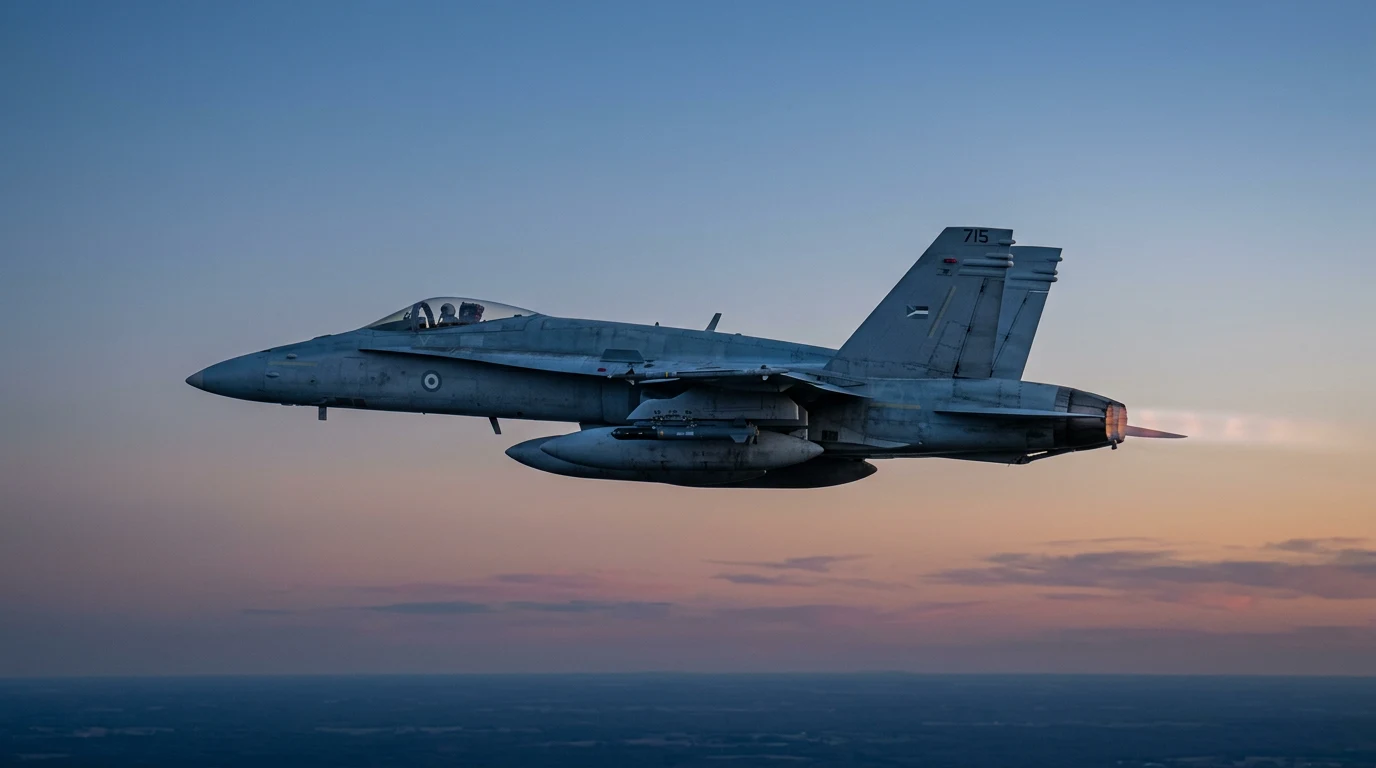
Poland's Armed Forces Operational Command said military aviation had begun operating in Polish airspace as Russia carried out attacks against Ukraine using airborne assault means. The command's own wording, quoted by UNITED24 Media, was: "In connection with the strikes by the Russian Federation on the territory of Ukraine, carried out using airborne assault means, military aviation operations have commenced in Polish airspace."
Polish authorities also activated air defense and related equipment to protect the country's airspace during the attack. The command statement does not specify aircraft types, numbers or engagement details, and publicly available reporting does not establish them. What is confirmed is the category of response: aviation up, air defense active, electronic reconnaissance assets deployed.
That trio is the standard playbook for a neighboring state when weapons are flying near its border. Fighters give commanders eyes and options in the air. Ground-based air defense covers what the fighters cannot watch continuously. Electronic reconnaissance assets listen, which is often the least visible and most quietly valuable part of the package. Readers following this should also see Here is how infrared search and track lets fighters find stealth jets with the radar off. Readers following this should also see Here is how infrared search and track lets fighters find stealth jets with the radar off.
Why did Rzeszów and Lublin airports stop flights?
The Polish Air Navigation Services Agency reported that airports in Rzeszów and Lublin temporarily suspended operations to ensure military aircraft had sufficient freedom to operate. In plain terms: controllers cleared civilian traffic out of the way so fast jets and other military assets could use the airspace without mixing with airliners.
The suspensions were temporary, and both airports resumed normal operations after the military operation concluded. The cited reporting does not state where the two airports are located, so this article does not describe their geography beyond what the sources confirm.
For travelers, the practical takeaway is short and unromantic: these pauses are decided by the military picture, not by the airlines, and they end when the operation ends. The September 23 pause followed the same shape as the September 17 pause at the same two airports.
What was happening on the Ukrainian side of the border?
The September 23 Polish response came as Russia launched another drone attack on Ukraine, including Kyiv. According to Kyiv Mayor Vitali Klitschko, as cited by UNITED24 Media, the strike on the capital killed at least one person and injured seven others, with strikes and falling debris reported across several districts. Klitschko said one victim who had been hospitalized in serious condition later died, and that four other people remained hospitalized.
Casualty figures in an active conflict are initial and contested by nature; they come here from the mayor's statements through the cited reporting, not from independent verification.
Is this a new pattern or a one-off?
The September 23 deployment follows a similar response less than a week earlier. On September 17, Tusk said Russian drone strikes had taken place in Volyn, a Ukrainian region bordering Poland. Poland scrambled military aircraft, and operations at Lublin and Rzeszów were temporarily suspended.
Two similar responses inside a week suggest a repeatable procedure rather than an emergency improvisation. The command statement, the air navigation agency's notice and the airport pauses line up in the same order both times: strike reported, aviation launched, airspace cleared, airports resume.
What the public record does not yet establish is how long this rhythm continues, or whether the response package changes as the strikes do. Publicly available sources do not establish the internal rules of engagement or the specific assets involved, and we will not guess at them.