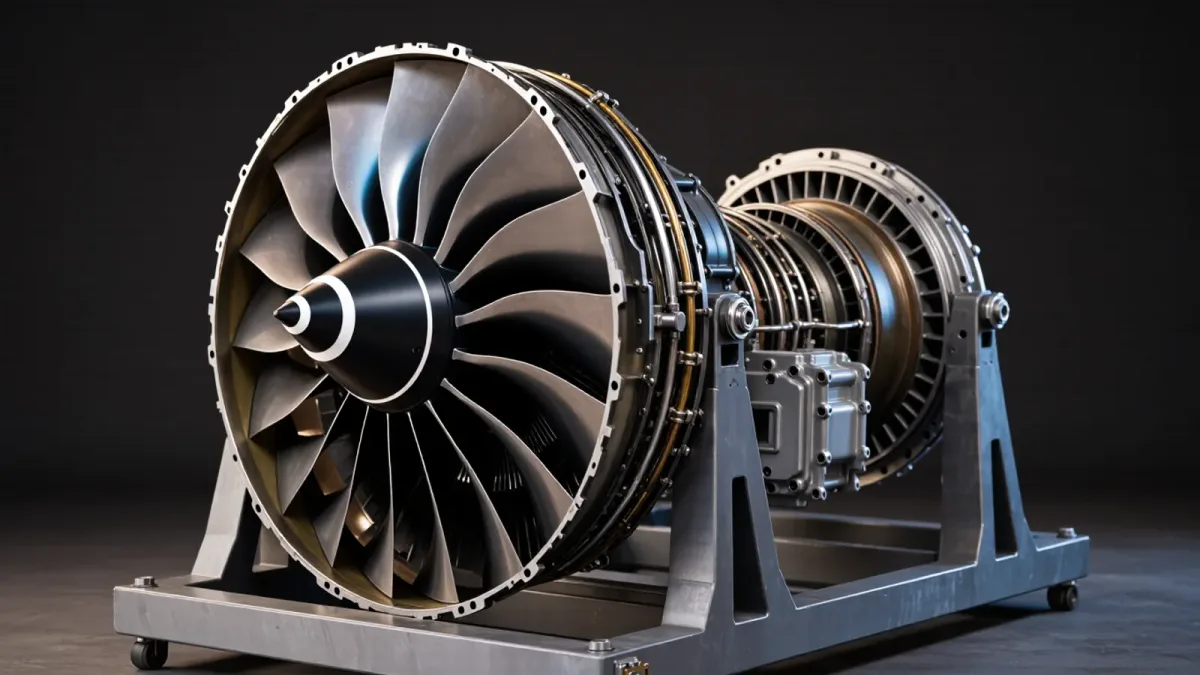
How engine overhaul cycles set the real tempo of an air force's flying
Every flying hour an air force logs is a withdrawal against a depot ledger, and the refill rate at overhaul shops caps how fast any fleet can fly.
Fighters, tankers, transports and trainers covered through engines, upgrades, flying hours, availability rates and the contracts keeping them airborne.
Every flying hour an air force logs is a withdrawal against a depot ledger, and the refill rate at overhaul shops caps how fast any fleet can fly.
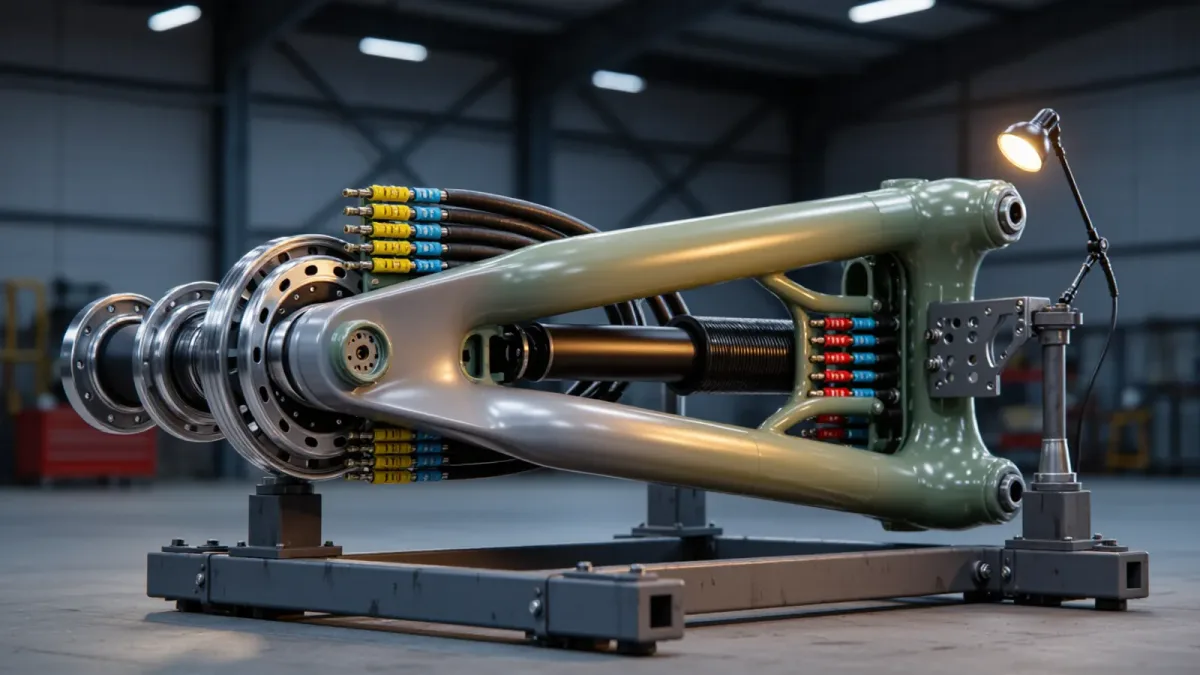
Aircraft waiting for heavy maintenance still count on paper, and the gap between the inventory and the flying fleet is decided at the depot gate.
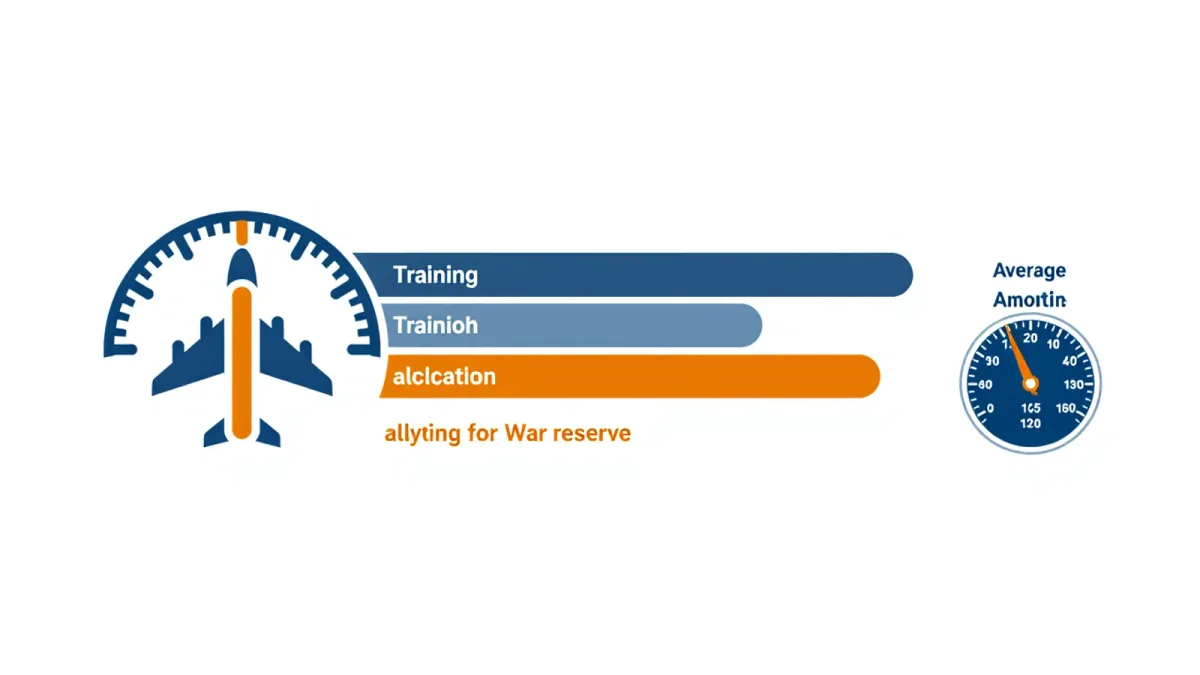
Hours are consumed by use, cannot be stored, and sit in the same appropriations fight as munitions and spare parts.
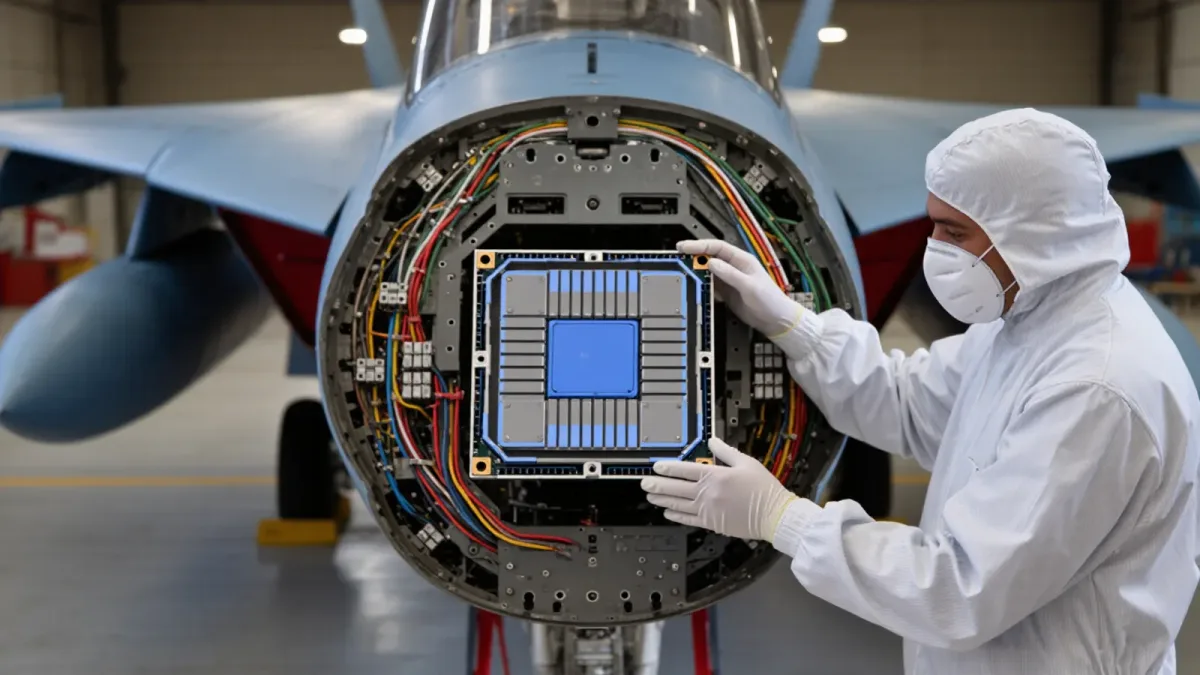
The average fighter in any large air force is older than its pilots, and blocks, SLEPs, and radar swaps — not new builds — keep it credible.
Fighters can be based anywhere in theory; in practice, the tanker fleet's age and size decide where and how heavily they can fly.
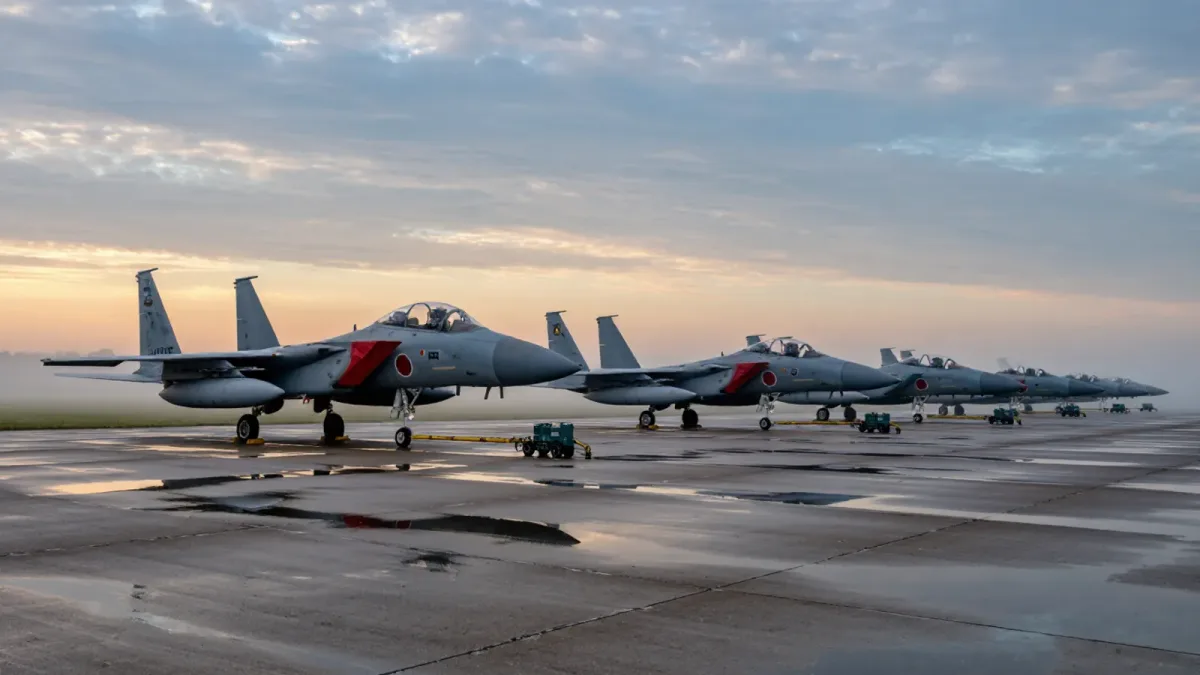
The number counts departures, not performance, and availability math has usually decided it before the schedule is ever written.