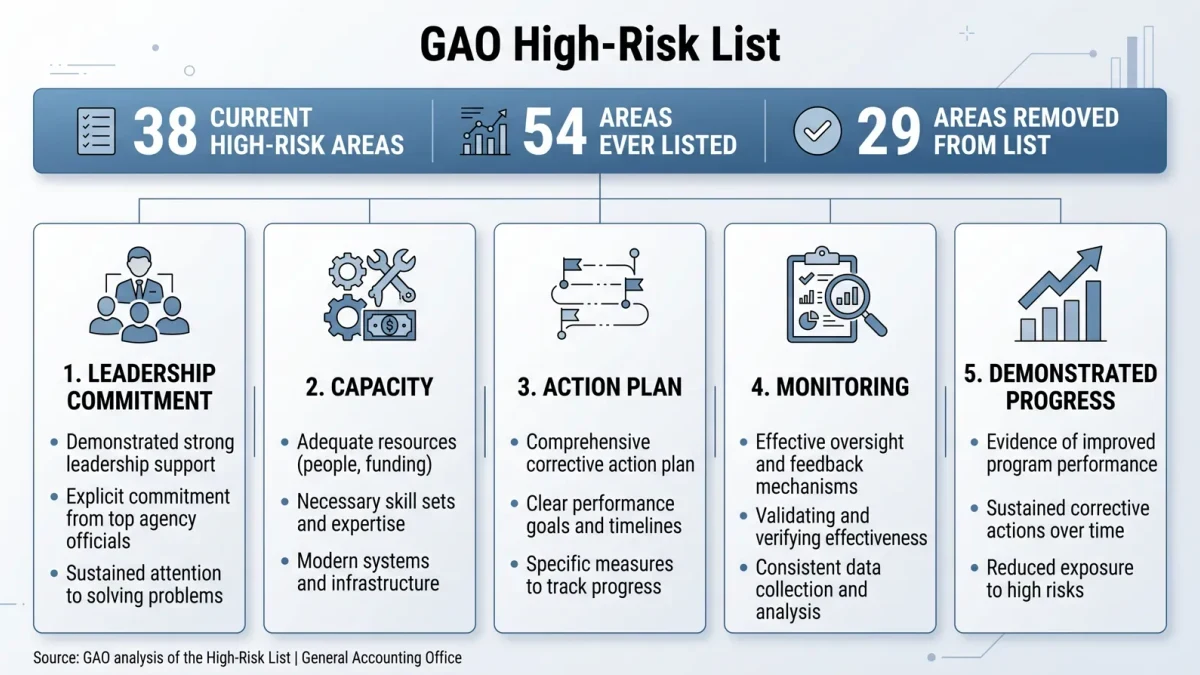
Engine overhaul cycles, not fuel budgets or pilot counts, set the ceiling on how fast an air force can fly, because every engine must leave the fleet periodically for depot-level teardown and repair — and the depot's throughput caps the fleet's tempo. GAO's sustainment reporting has repeatedly tied low tactical aircraft readiness, including F-16 and F/A-18 shortfalls, to engine parts shortages and depot repair delays.
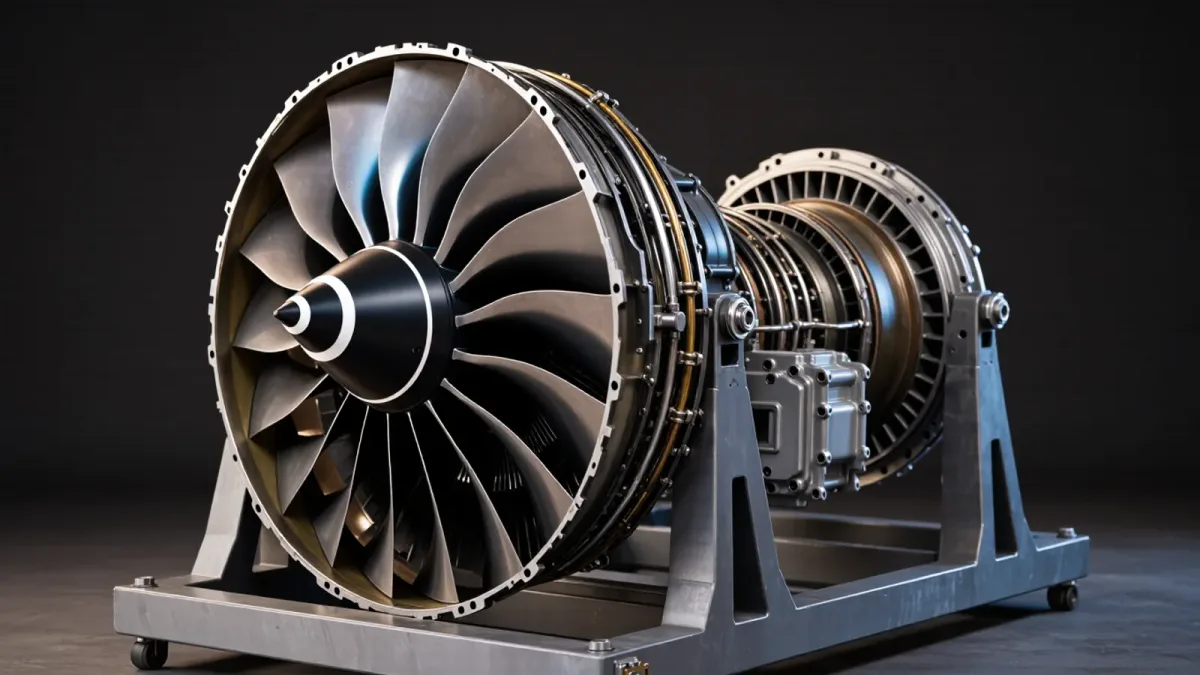
A turbofan is a machine that consumes itself in use. Turbine blades creep, discs accumulate low-cycle fatigue, bearings wear, and none of that damage is optional or negotiable — it is set by thermodynamics and materials science, which do not care about a combatant commander's schedule. The overhaul cycle is the institutional answer: pull the engine before its accumulated damage becomes a failure, rebuild it to certified standards, and return it. How well that cycle runs is, more than any other single number, the real tempo figure of an air force.
What does an overhaul actually involve?
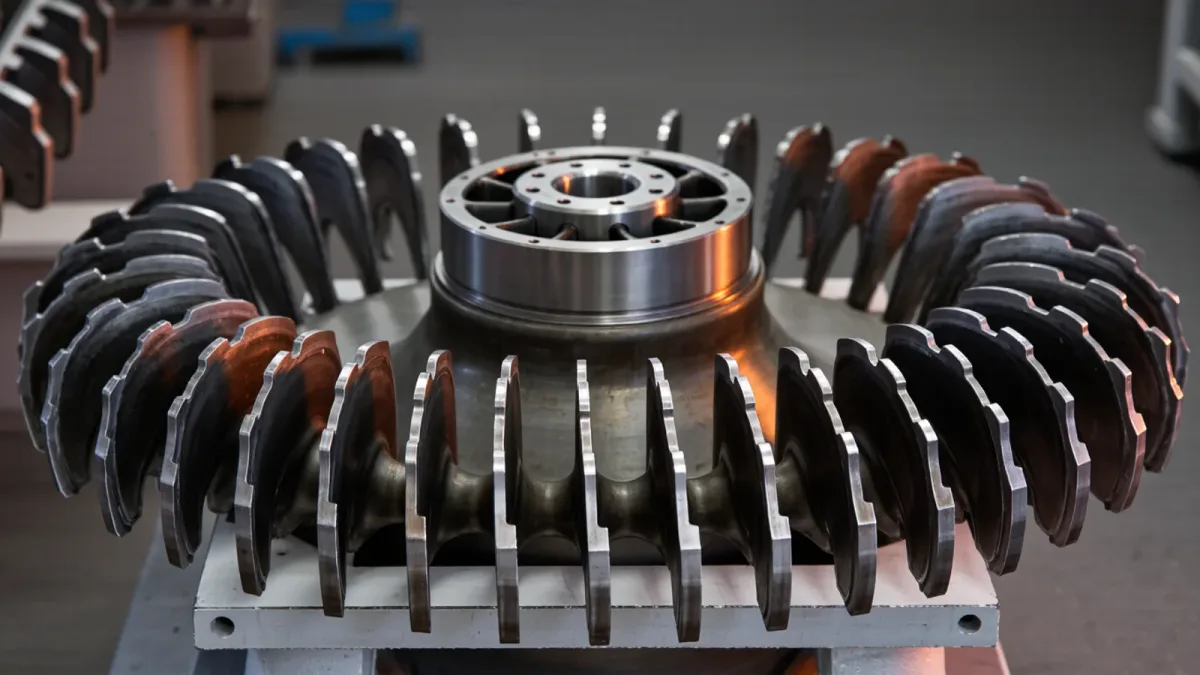
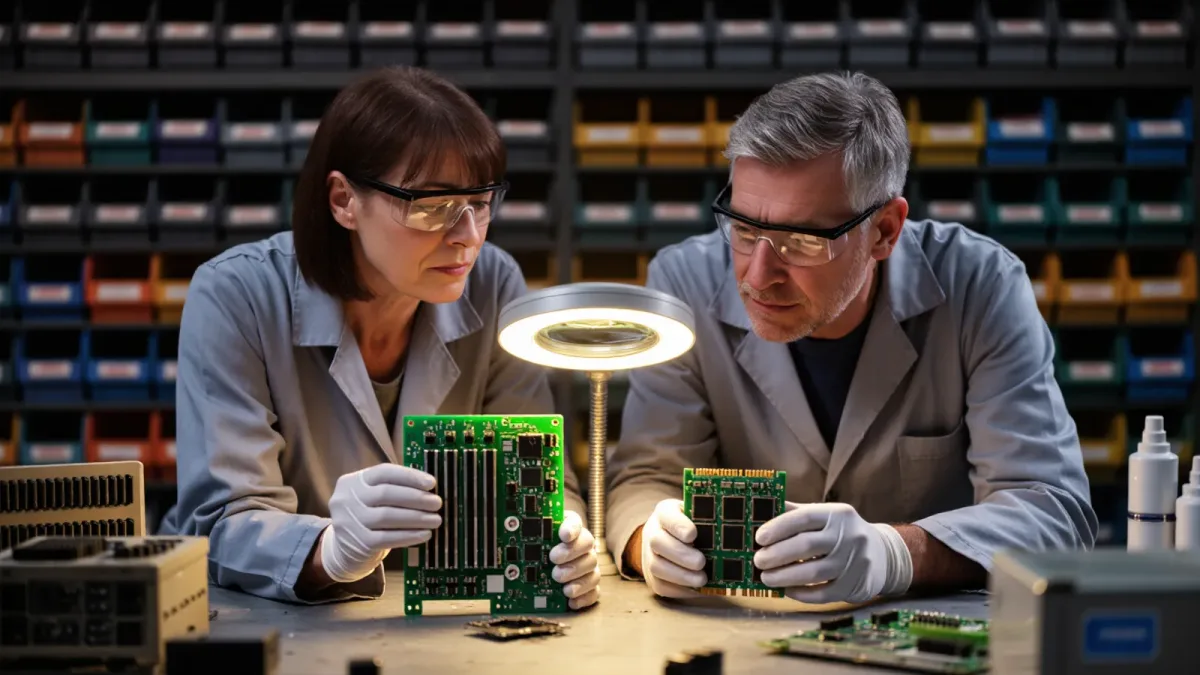
A depot overhaul is not a repair in the colloquial sense. It is a full teardown of the engine to its individual modules and, below those, to individual parts, followed by inspection, replacement, and reassembly under certified procedures. The sequence, simplified from descriptions in service and depot materials, runs like this:
- Induction. The engine is removed from the aircraft once its accumulated hours or cycles approach the interval set by engineering data, and shipped to a depot facility.
- Teardown and cleaning. The engine is disassembled into modules — fan, core, low-pressure turbine, gearbox — and each module into parts, which are cleaned so inspection can see actual material condition.
- Inspection and disposition. Parts are examined for cracks, creep, and coating loss. Each part is either returned to service, repaired, or scrapped, per the engineering limits in the technical data.
- Assembly and test. The engine is rebuilt, usually with a mixture of reused and new parts, run in a test cell to verify performance within limits, and returned to the supply system.
The intervals themselves are set in flight hours or cycles, established by the manufacturer's engineering analysis and adjusted by the operating service as fleet data accumulates. Publicly available sources do not establish current per-engine interval values for most types, so honest writing stops at the mechanism: intervals exist, they bind, and every hour flown moves each engine toward its next induction.
Why does depot throughput cap fleet tempo?
Because induction is only half the cycle; the other half is the shop that processes what arrives. A fleet's flyable engine inventory behaves like a library: every engine on a wing is borrowed, and the fleet flies only as long as the depot returns books at least as fast as the squadrons borrow them. When overhaul cycle times stretch — GAO's sustainment assessments have documented extended repair times at Air Force depots as a recurring readiness driver — the shelf empties, and squadrons begin waiting for engines rather than engines waiting for squadrons.
The knock-on effects follow a documented pattern. Shortages of ready engines drive cannibalization, where maintainers strip one aircraft to fly another, deepening the apparent shortfall. Depot backlogs push services to extend intervals or defer work, which raises in-service failure risk and unscheduled removals. And because engine production lines have finite capacity for new and replacement engines, a fleet that loses more engines to hard failures than planned cannot simply buy its way out in months.
Why are engines the hard case in sustainment?
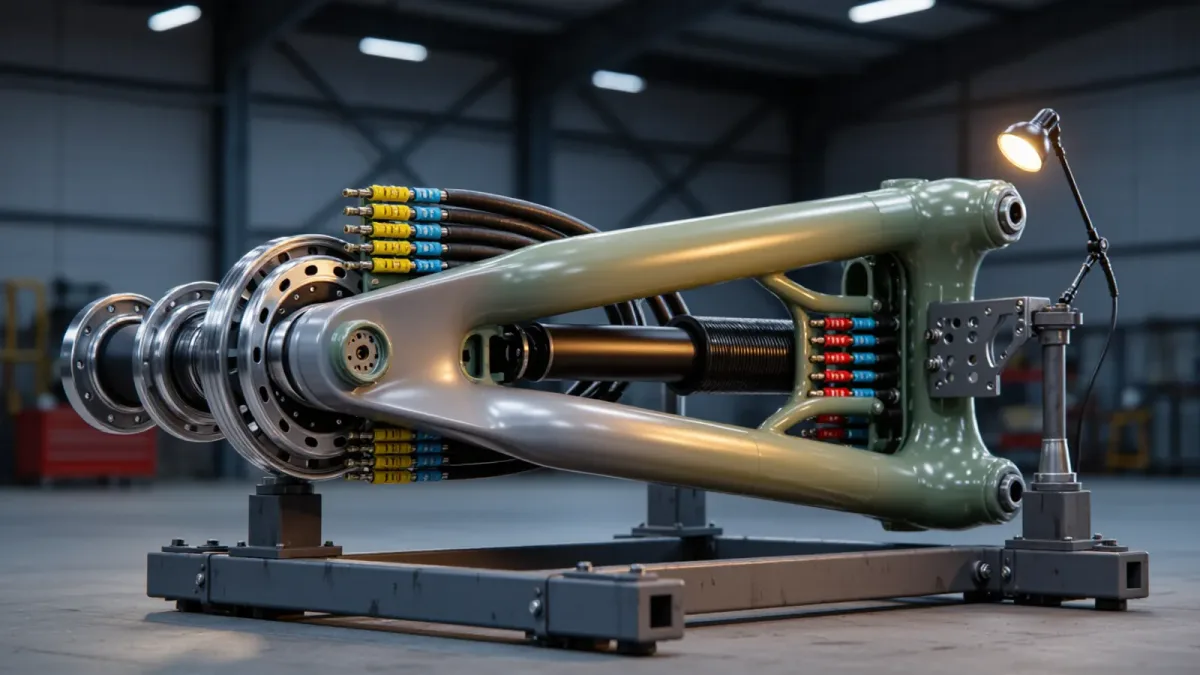
Compared with airframes, engines concentrate three difficult properties at once. First, the wear is thermodynamic and unavoidable; airframe wear can be managed with corrosion programs and careful flying, but hot-section life is spent by the hour. Second, the work is capital-intensive: overhaul facilities house test cells, coating plants, and machining lines that take years and major funding to stand up, which is why depot closures in past decades haunt current capacity debates in audit reporting. Third, the industrial base is thin — a handful of prime contractors produce the engines for entire national fleets, and their production and overhaul lines compete for the same skilled workforce and supply chains.
Add a fourth, quieter property: engines are the fleet's highest-value consumable. A fighter airframe serves decades and is modernized; its engines serve shorter, defined lives and are consumed. Budget systems built around buying airframes have historically underprovided for the engine pipeline, and GAO's readiness work has made exactly this mismatch a standing finding across multiple fleets and fiscal years.
What do overhaul bottlenecks look like in practice?
The audit record gives concrete, dated examples. GAO's April 2023 assessment of F-35 sustainment identified engine component shortages and depot-level repair turnaround as contributors to the fleet's availability sitting around 55 percent in fiscal year 2022 against a 65 percent target. For the F-16 and F/A-18 fleets, GAO's readiness reporting across the late 2010s and early 2020s repeatedly named engine parts — among other components — as leading causes of aircraft grounded waiting for material. These are not exotic problems; they are the same library-arithmetic problem appearing in different fleets.
The remedies, where documented, are equally unglamorous: fund more depot capacity and workforce, buy more spare engines and parts earlier in a program's life, and manage interval decisions with fleet data rather than budget pressure. Each takes years, which is why an air force's tempo next year is being decided today, inside overhaul shops, not in cockpits.
How should a reader use this when reading readiness news?
When a fleet's availability drops or a deployment is extended, the engine ledger is one of the first places the cause hides, and the audit sources are public. The readable sequence is: engine removals rise with flying hours; depots with finite capacity fall behind; ready-engine inventories thin out; availability follows. A service that announces higher flying-hour budgets without announcing depot and engine investment is, on this mechanism, borrowing tempo from its own future. That is the whole trade, and per the audit record above, the interest on the loan is paid in grounded aircraft.