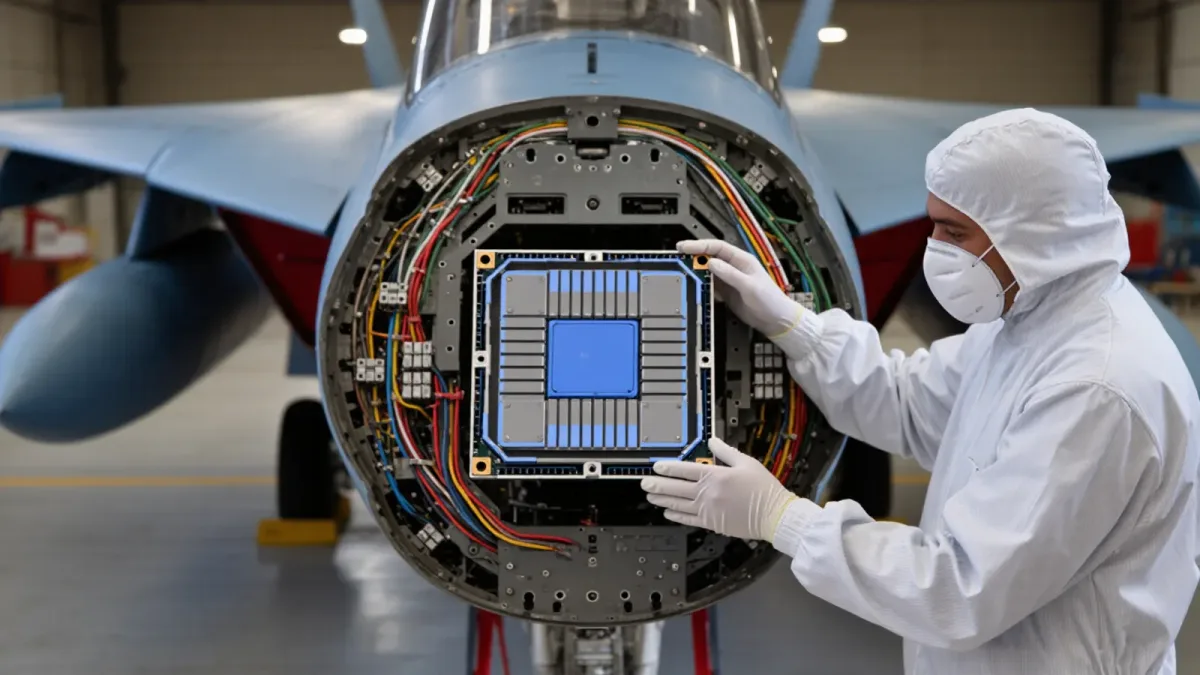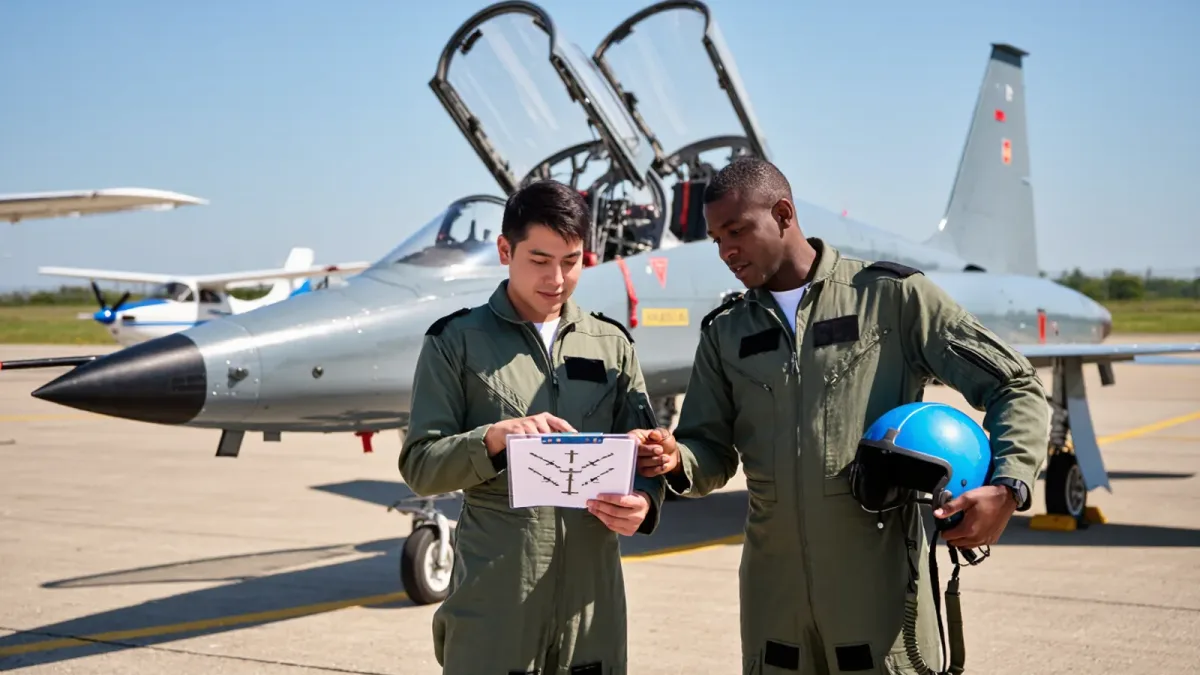
A trainer aircraft pipeline decides a pilot shortage years before the shortage itself becomes visible, because the number of pilots an air force graduates each year is capped by training sorties, aircraft, and instructors — and those are fixed capacity. Per Air Force testimony to Congress, the service counted an active-duty pilot shortage of roughly 1,650 as of fiscal year 2023, years after the shortfall was first flagged at about 2,000 in 2019.
That persistence is the point. A shortage is not a hiring problem a service can close in one budget cycle, because the production system between a new student and a combat-ready wingman runs two to five years by service-published syllabus estimates, and every stage of that pipeline is sized by hardware bought decades earlier. The trainer fleet is the bottle's neck, and its condition decides how wide the neck is.
Where does the pipeline actually bottleneck?
The public record from Air Force training command and audit work points to a chain of stages, each with its own ceiling, and the fleet is capped by the lowest one:
- Initial screening and light aircraft. Candidate volume is set here, but it is rarely the binding constraint — screening capacity is comparatively cheap.
- Primary training on turboprop trainers. The T-6 Texan II stage converts students into pilots, and throughput is set by aircraft availability and instructor load ratios that the service publishes in training command materials.
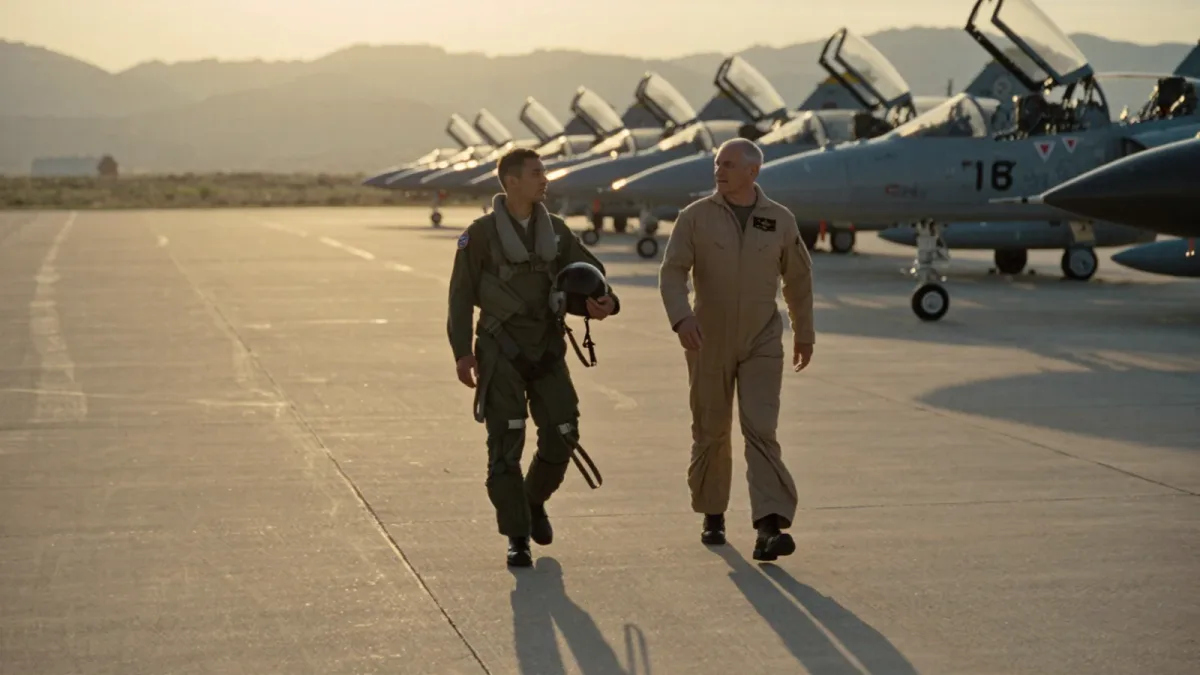
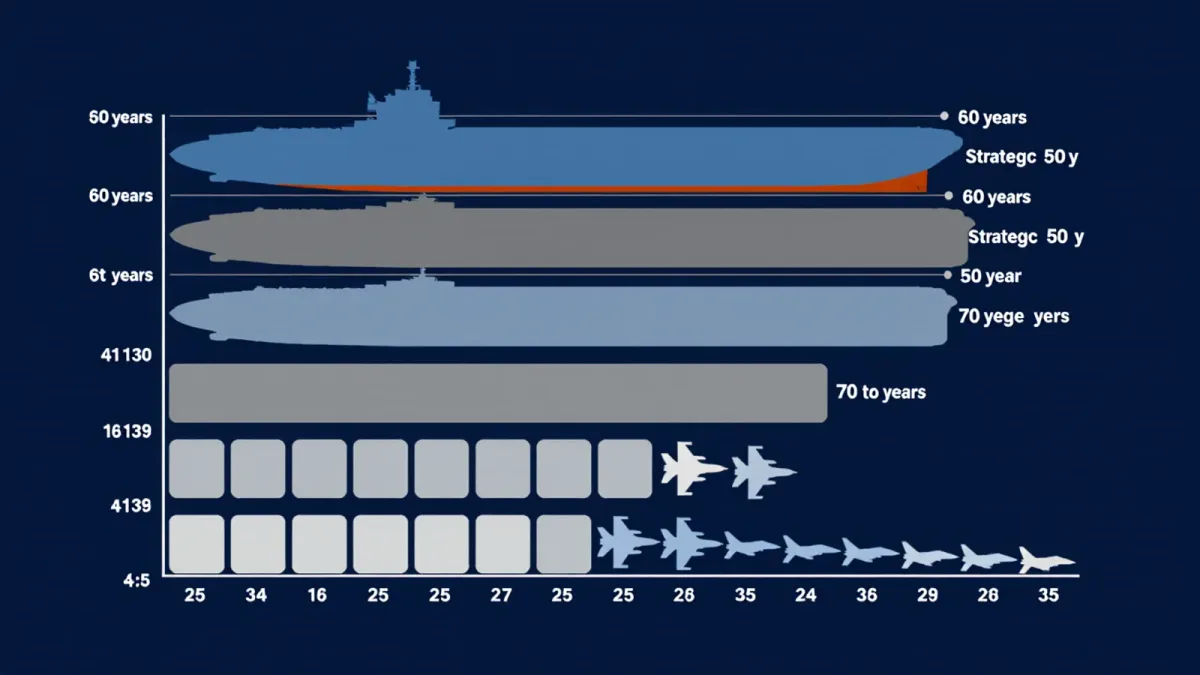
- Fast-jet training on legacy trainers. This is the documented pinch point for fighter production: the T-38 fleet that carries most of the load averages around six decades of age per Air Force data, with the availability and maintenance problems that age implies.
- Conversion to an operational type and mission qualification. Students leave the training command and still require months in an operational squadron's syllabus before deployment-ready status.
The T-38 stage deserves emphasis because it combines the two scarce resources at once: aging aircraft, which GAO's readiness framework identifies as a driver of availability shortfalls, and experienced instructors, who are themselves drawn from the operational force the shortage is measured against. Shortages thus feed back on themselves — a thin force pulls instructors out, shrinking training throughput, deepening the shortage.
Why can't the services just train more pilots quickly?
Because the pipeline's inputs compound. More students require more sorties, which require more training aircraft, more maintenance hours per aircraft, more instructors per student, and more fuel and airspace. Each input has its own procurement or staffing lag: aircraft take years to build and field, instructor experience takes a decade to accumulate, and simulator capacity, while it relieves aircraft hours per syllabus documents, does not replace the formation-flying and instrument stages flown in real traffic.
There is also an attrition arithmetic that public figures make stark. Not every student who enters completes training; washback and washout rates mean the input class must substantially exceed the desired output. When the training fleet is old and availability dips, the service's options are poor ones — stretch syllabus timelines, which slows output, or squeeze maintenance, which GAO's sustainment work associates with further availability decline. Training commands describe exactly this trade in their own published materials.
What does a new trainer change, and what does it not?
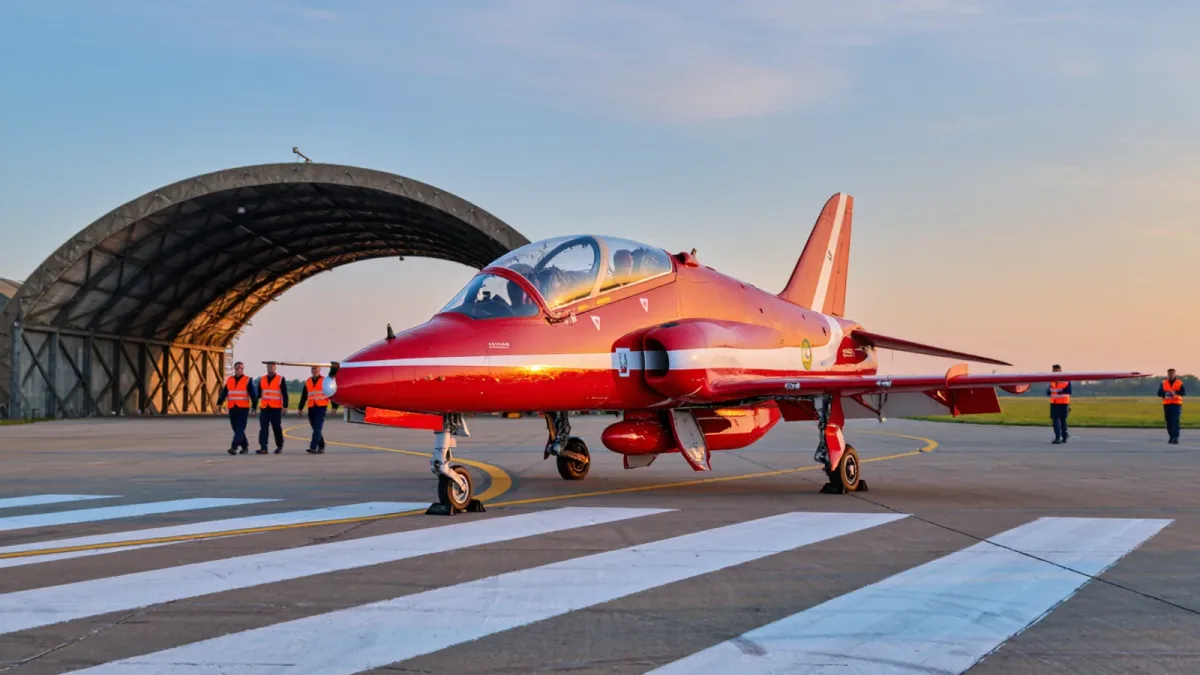
The Air Force's T-7A Red Hawk program shows both edges of the answer. The program is intended to replace the T-38 with a modern trainer suited to teaching skills fifth-generation pilots need, per Air Force statements. But per GAO program assessments, the T-7A's production decision slipped repeatedly through the early 2020s amid development issues, meaning the aging fleet it replaces flew longer than planned — and the pipeline's constraint persisted through those years regardless of the new aircraft's promise. A trainer program relieves the bottleneck only when aircraft are delivered, crews converted, and the syllabus moved over; the fleet age problem does not pause during that transition.
What a new trainer does not change is instructor depth or syllabus length. Those are human timescales. This is why pilot shortage projections in service testimony describe recovery over years even under optimistic assumptions about training aircraft — the hardware is one constraint among several, and rarely the one with the longest lag.
How does a training shortage become an operational shortage?
Through the experience pyramid. A force that graduates fewer new pilots today has, several years later, fewer mid-career flight leads and instructors, because experience cohorts are built from output classes. The effect is delayed and then hard to reverse: per Air Force testimony across the late 2010s and early 2020s, the shortage persisted even as hiring and retention efforts improved, because the under-filled classes of earlier years moved through the force. Combat-coded squadrons feel this as manning shortfalls that auditors and service officials have repeatedly connected to training pipeline output in public testimony.
What does a shortfall actually cost in operational terms?
The public testimony and audit record describe the costs in three currencies. The first is squadron manning: combat-coded units carry authorized pilot counts, and when pipeline output runs below plan, the shortfalls land in those authorizations, which service officials have linked in testimony to reduced per-unit deployment capacity. The second is experience dilution: a force compensating for fewer total pilots leans harder on its experienced cohort, whose hours get consumed by instructor and staff duties rather than by the operational flying that keeps them sharp. The third is retention pressure, because a cohort flying more and instructing more is a cohort absorbing more of the shortfall's friction, the pattern Air Force retention reviews described through the late 2010s and early 2020s as they worked the same shortage from the personnel side.
None of these costs appears on an aircraft's data sheet, which is why the trainer fleet is so easy to underfund in peacetime budgets. The hardware becomes visible only when its output is missed, and by then the fixing takes years, not months.
That is the whole trade, seen across a decade. The aircraft a service buys for training command this decade sets the size and experience shape of its combat force in the next one. Availability rates, depot queues, and budget fights all matter, but the trainer pipeline is where the numbers that arrive at the squadrons are actually decided.