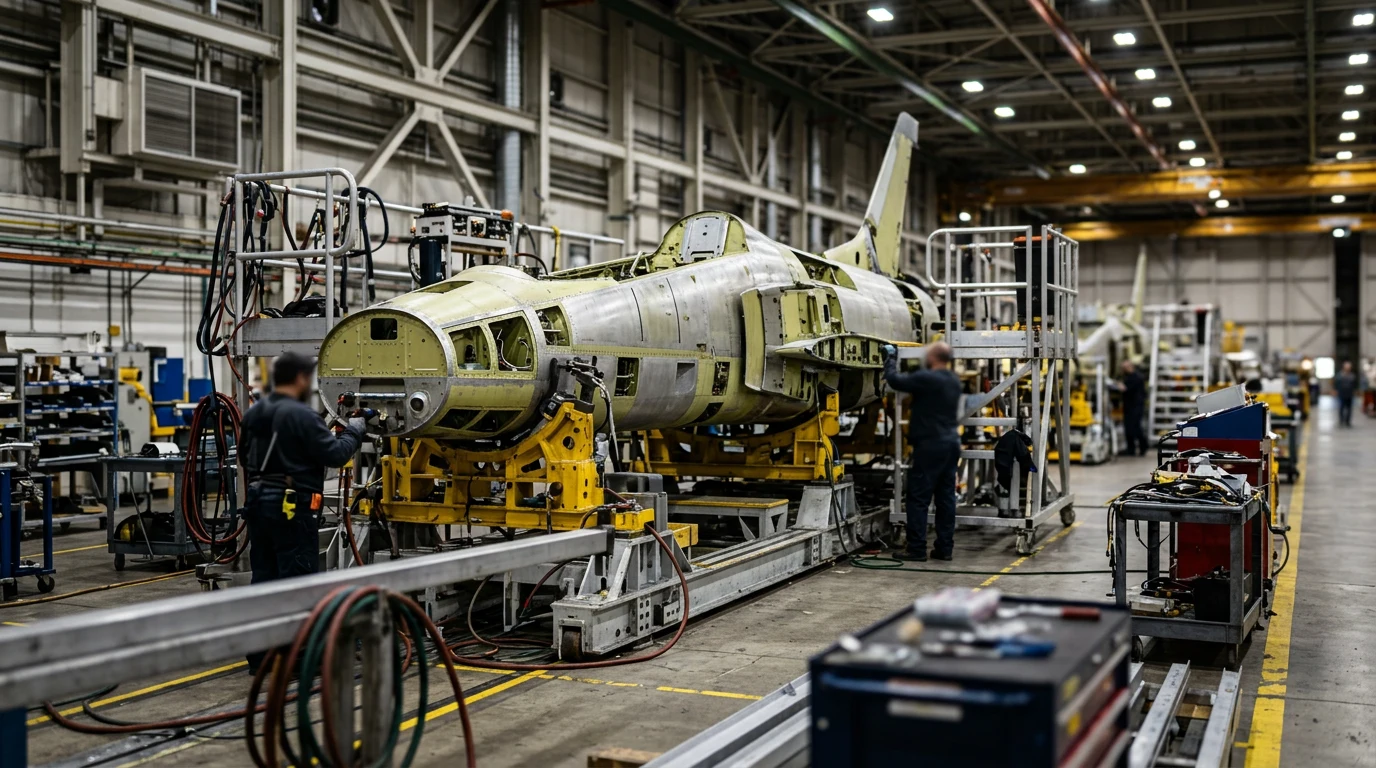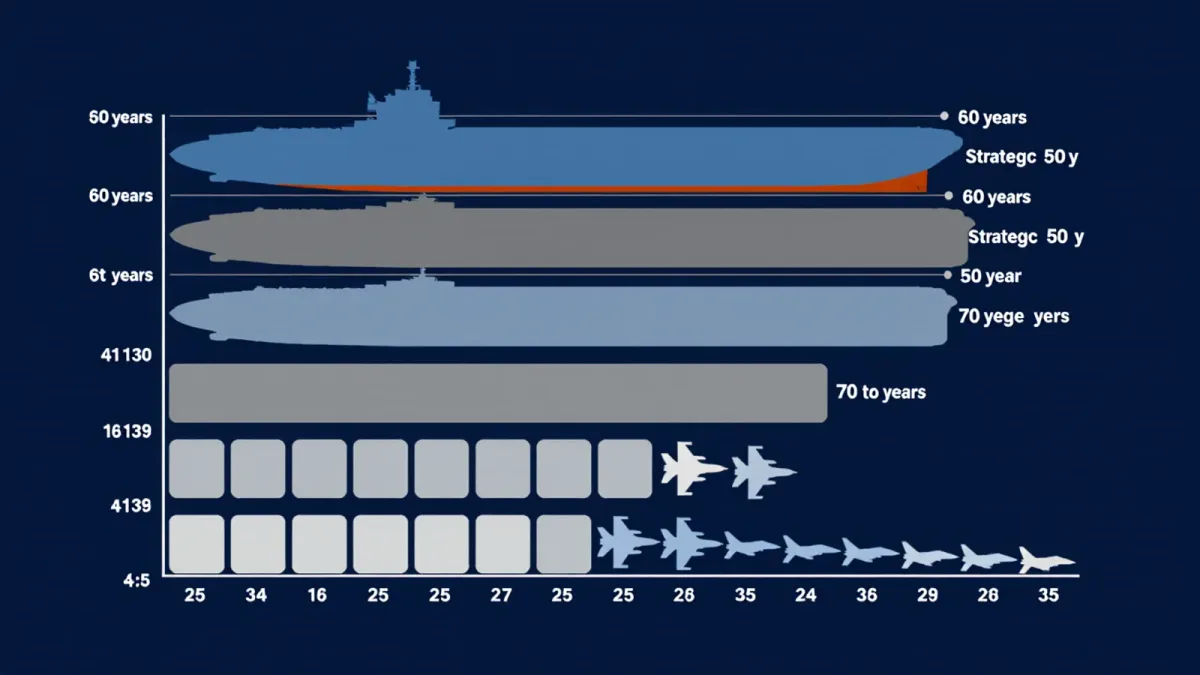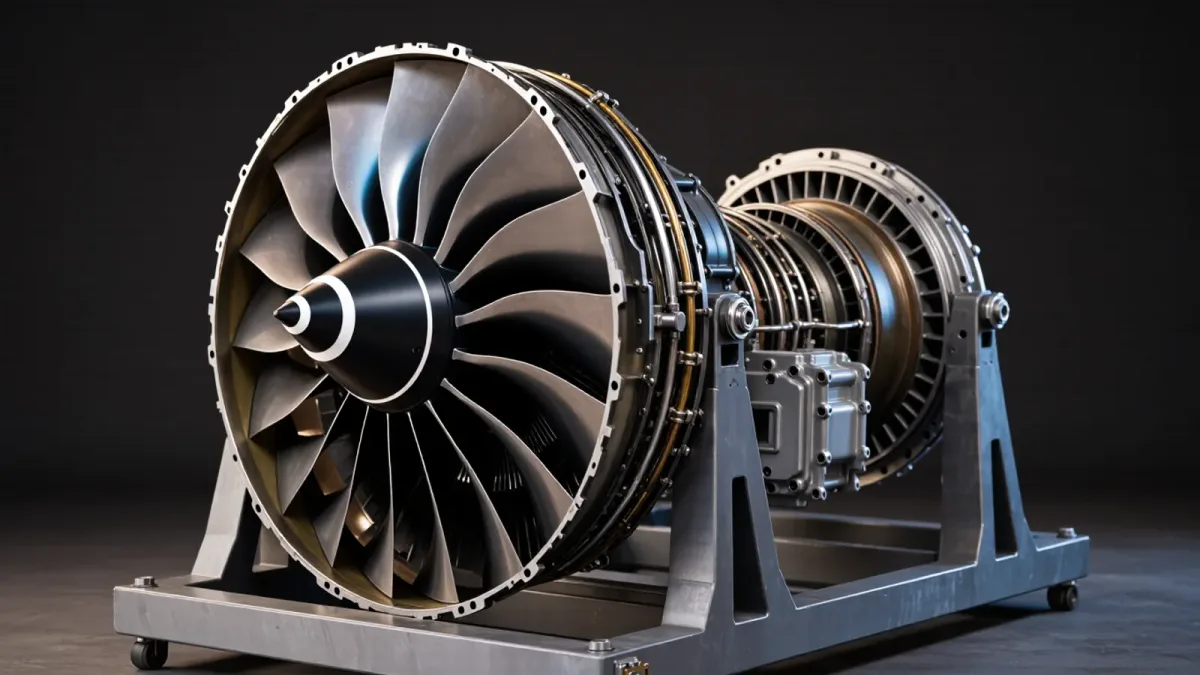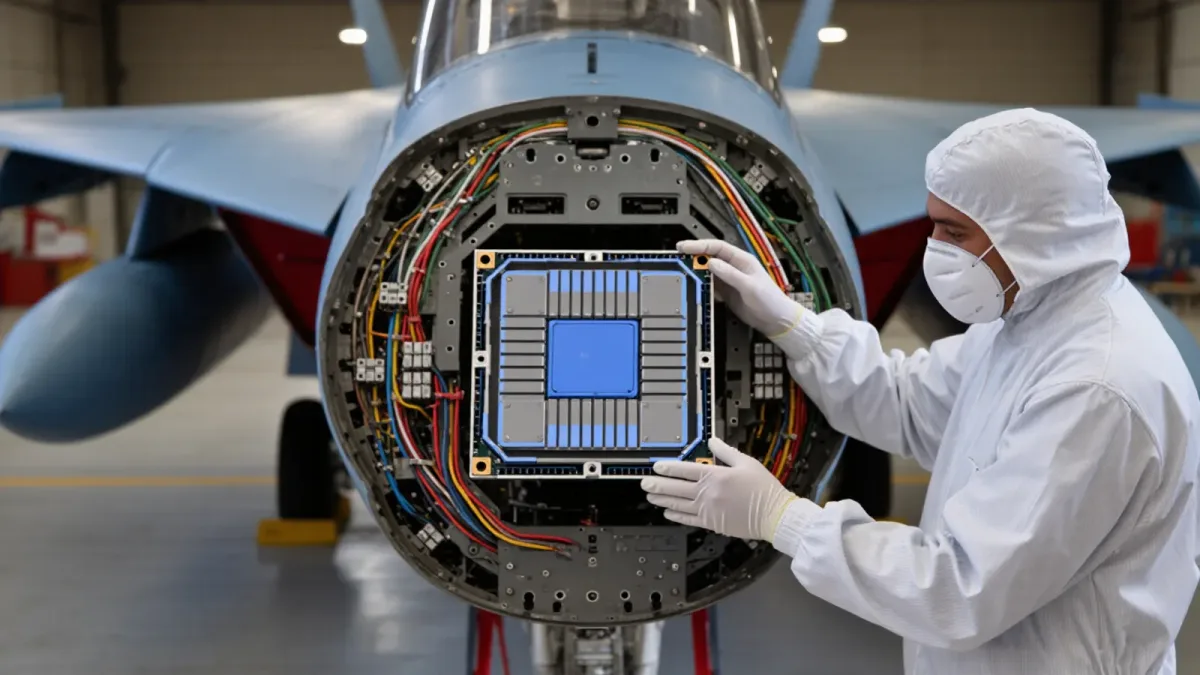
Upgrade blocks, not new airframes, are how most fighter fleets stay militarily relevant across multi-decade service lives, and the Air Force's own plans prove the point: B-52s that first flew in the 1950s are funded to serve into the 2050s per Air Force force structure announcements, kept credible by engines, radar, and weapons fitted decades after the airframes were built.
The same logic runs through every tactical fleet. A fighter's combat value is a function of its sensors, its software, and its weapons as much as its cell count, and those change on timescales far shorter than an airframe's structural life. Blocks and service life extension programs are the accounting system for that mismatch, and reading them correctly explains a great deal of procurement news that otherwise looks like delay for its own sake.
What exactly is a block, and how does it differ from a new aircraft?
A block is a defined configuration standard: a package of hardware, software, and weapons capability applied to a portion of a fleet, with a designation that lets planners say precisely which jets can do which missions. Two F-16s from the same production year can sit in different blocks and be, functionally, different aircraft — one carrying an older radar and weapons set, one carrying the current one. The block system is the air force's ledger of what it actually owns.
Service life extension programs, or SLEPs, are the structural twin of the block. Where a block buys capability, a SLEP buys calendar time: inspections, repairs, and structural work that push the airframe's certified flight-hour limit outward. Per Air Force announcements beginning in 2019, the service moved to extend F-16 airframe service life to 12,000 flight hours, a decision explicitly framed as keeping the fleet flying into the mid-21st century while new aircraft arrive slowly.
Neither lever replaces the other, and fleets that neglect either one lose the fleet in a different way: no blocks means old jets that fly, no SLEP means new jets that rust.
Which upgrades have actually carried fleets across decades?
The public record offers several documented, dated examples, each traceable to a named source.
| Fleet | Upgrade or SLEP | What it bought | Attribution |
|---|---|---|---|
| F-16 | Service life extension to 12,000 flight hours | Fleet service into the mid-21st century | Air Force announcement, 2019 |
| F-16 | APG-83 active electronically scanned array radar | Modern sensor for several hundred jets per service plans announced in 2019-2020 | Air Force statements |
| F-15E | APG-82 radar integration | Merged mechanized array capability for the strike fleet | Air Force program reporting |
| B-52 | Re-engining with the commercial-derived F130, designation B-52J | Engine commonality and service life into the 2050s | Air Force selection announcement, 2021 |
Read the table as a pattern, not a list. In each case the airframe predates the technology that keeps it relevant by twenty to forty years, and the money followed the upgrade rather than a clean-sheet replacement. The B-52 case is the extreme: per the Air Force's 2021 engine selection, a bomber designed in the 1940s will outlive every aircraft designed to replace it so far.
Why not simply buy new aircraft?
Because of what the audit record shows about replacement timelines. Per GAO program assessments through the mid-2020s, new fighter and bomber programs have repeatedly delivered initial aircraft years later than their first contracts assumed, at higher unit costs, in smaller annual quantities. A fleet that waits for replacement ages in place with no capability growth, while a fleet on a block cycle improves every few years regardless of what the new-build line delivers.
The arithmetic is unforgiving. Fighter production lines deliver aircraft in tens to low hundreds per year across the entire output of a given program, per manufacturer and service figures. Most air forces own fleets numbering in the thousands of fighters. Even a healthy replacement program therefore takes decades to turn over a fleet, which makes the upgrade pipeline the only lever that touches the whole inventory on a political timescale.
There is a second, quieter reason: reverse compatibility. New airframes introduce new maintenance systems, new training pipelines, and new sustainment contracts, and the transition years are documented as availability troughs in GAO sustainment work. Upgrades ride on infrastructure the service already owns — depots that know the airframe, maintainers already trained, spares lines already warm.
What are the limits of the block model?
The model has hard edges, and the public record marks them honestly.
- Structural ceilings. A SLEP can only extend a certified life so far; corrosion and fatigue findings eventually reach a point where further extension costs more than replacement, a trade-off GAO has examined in fleet reviews of aging aircraft.
- Integration walls. Each block adds weight, cooling demand, and wiring that the original airframe never carried; at some point a radar too large or a generator too demanding physically will not fit, and the fleet's upgrade path ends regardless of its airframe hours.
- Training and doctrine lag. A block upgrade changes what a jet can do faster than crews and tactics can absorb it; the capability arrives on paper years before it arrives in the force.
These limits are why the block model ends, but the honest observation is how late in an airframe's life the ending comes. Fleets fly two to three times longer than their designers planned, and the constraint that finally retires them is usually the economics of further upgrades against the arrival of a replacement, not the airframe itself.
How should a reader read block and SLEP announcements?
As fleet-age news, in both directions. A new block announced for a forty-year-old aircraft is good news about capability and cautionary news about replacement timelines — the same event means the fleet will fly longer. A cancelled upgrade is the rare case where the signal is unambiguous: it usually means the fleet's remaining life no longer justifies the investment, per the trade-offs services state when cancelling.
The provenance discipline stays the same as always. Claims about what an upgrade delivers come from the service and the manufacturer, whose datasheet numbers are attributed claims rather than independent test results; claims about timelines and costs belong to audit documents like GAO program assessments. Between those two sources, the block system — the quiet machinery that keeps old airframes credible — is fully visible in open sources, and it says more about fleet relevance than any single new-program headline does.