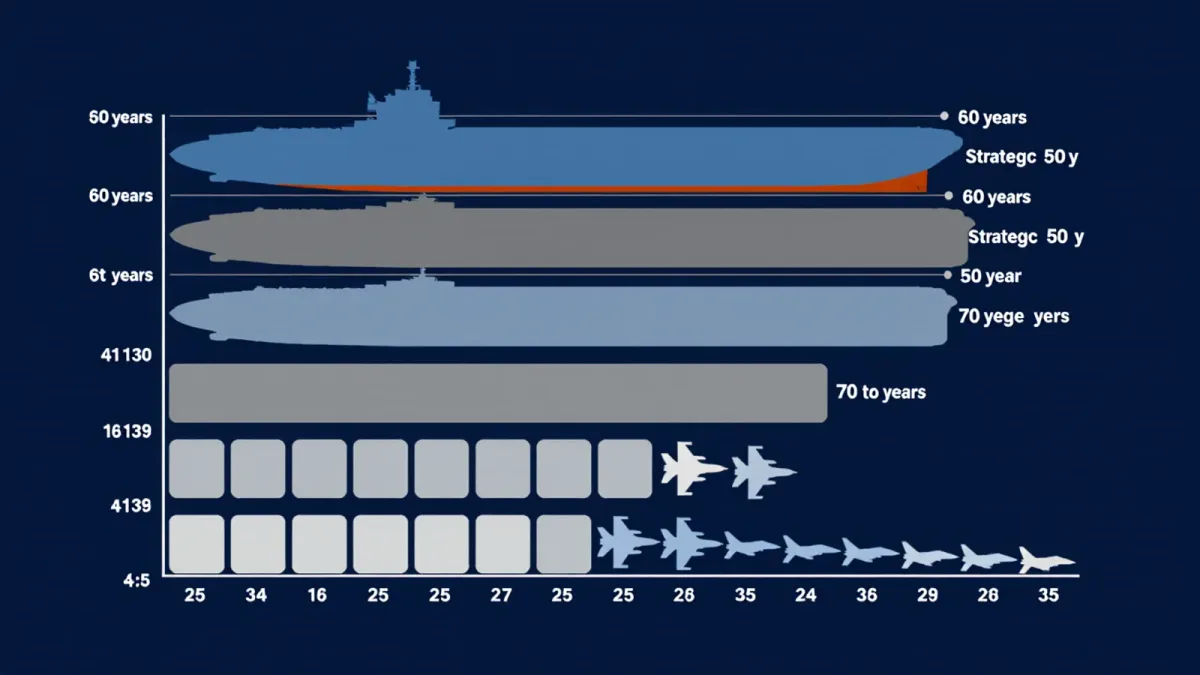
Aerial refueling, not fighter range, is the binding constraint on most fighter deployments, because no modern fighter crosses an ocean or sustains a combat orbit without tankers. The constraint is physical and generational at once: per Air Force fleet data cited in 2024, the KC-135 tankers that still form the backbone of the fleet average more than 60 years of age.
This is an online publication's explainer built on open-source discipline — official documents, service fact sheets, and named audits — so the mechanics here are the ones the public record supports, and nowhere does it rest on classified performance. The subject deserves the patience, because tanker math quietly shapes every overseas fighter rotation, every bombing-campaign tempo argument, and every map exercise in which a fighter squadron is told where its fuel will come from. Get the mechanism right and a great deal of force-structure news becomes legible.
Why does a fighter need a tanker at all?
Fighters burn fuel the way air superiority is used: quickly. A service-published combat radius on internal fuel for a modern fighter sits in the hundreds of nautical miles — figures on the order of 500 to 700 nautical miles appear in Air Force and manufacturer materials for current types, and those are unrefueled numbers with mission profiles attached. Add external stores, which add drag, and the radius shrinks. A fighter that can reach a target cannot necessarily stay over it, return, fly again tomorrow, and repeat for a month.
Tankers change the arithmetic in three separate ways, and it is worth keeping them distinct:
- Reach. Fuel offloaded en route converts a regional aircraft into a transoceanic one. Fighter deployments across the Atlantic and Pacific run on tanker chains, not on ferry tanks.
- Time on station. A combat air patrol is a fuel schedule. Refueling orbit cycles let a fighter hold its station for hours instead of minutes.
- Tempo. Fuel recovered near the fight means a shorter, lighter, faster return leg, which is how a squadron sustains multiple sorties per day per airframe.
Every one of those functions is a service the tanker fleet provides, and none of them scales down gracefully when tankers are scarce. A fighter without its refueling track does not fly a worse mission. It does not fly.
What does a refueling actually look like, step by step?
The mechanics are stable across the boom-equipped fleet, and walking the sequence shows how much choreography a single offload takes.
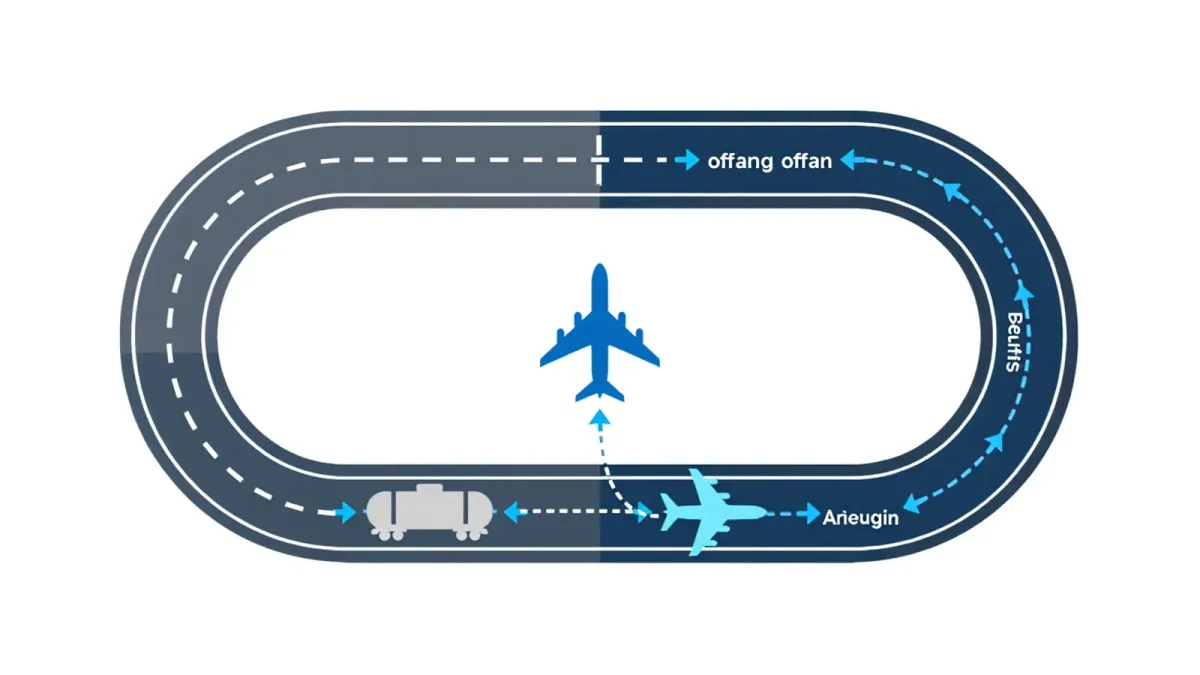
- Tanker launches and climbs to the refueling orbit. The orbit is a fixed racetrack in a designated airspace box, deconflicted from other tracks, often stacked at different altitudes for different receiver types.
- Receiver coordinates via radio and transponder equipment. The boom operator — a rated officer on KC-135 and KC-46 — extends the boom, and the receiver closes from behind and below at a closing speed measured in knots, not feet per second.
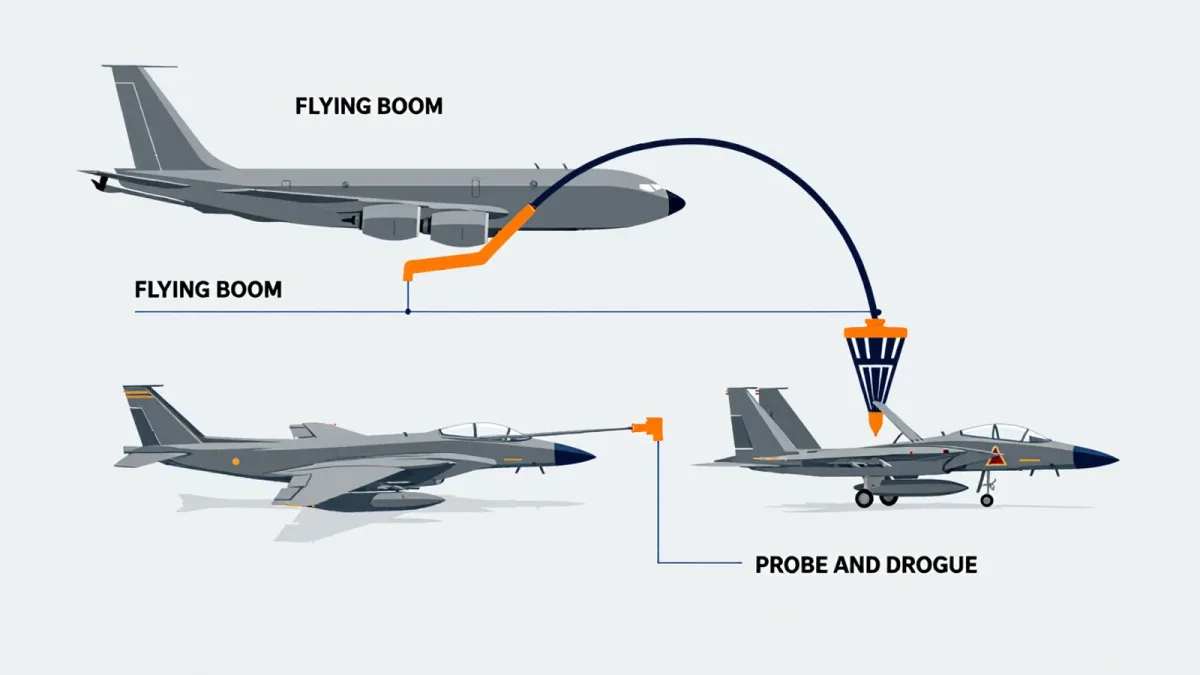
- Contact. The boom tip mates with the receiver's receptacle. On a rigid boom, the operator flies the boom onto the aircraft; on probe-and-drogue variants, the receiver flies its probe into a trailing flexible hose, which is how Navy, Marine Corps, and many allied aircraft take fuel from the same fleet.
- Offload. Fuel flows at rates of roughly 1,000 pounds per minute on a rigid boom, per service-published figures, so a 10,000-pound offload is a ten-minute exposure requiring undivided attention from both crews.
- Disconnect and cycle. The receiver drops back, the next aircraft in the stack closes, and the tankers keep the cycle going until the orbit's scheduled offload is spent.
Notice what the sequence implies: one tanker, one receiver at a time. Fuel capacity can be enormous — the KC-135 can carry some 83,000 pounds of transferable fuel per Air Force fact sheets — but throughput is serial. Fleet planners therefore budget tankers not by capacity but by offload per hour per orbit, which is why tanker demand is measured against sortie generation, not against gallons.
Why does fleet age make this constraint worse?
Because the constraint compounds. Per Air Force data cited in 2024, KC-135s average more than six decades of service, and the fleet has been flying under modernization that preserves the airframe while replacing engines and avionics. The KC-10 fleet, a younger and higher-capacity offload source, was retired by the Air Force in September 2024 per service announcements, removing tankers from the force even as demand grew. The KC-46, the intended replacement, has been constrained for years by recurring fixes for defects GAO has documented in successive program assessments — including the fisheye camera system on the boom, which the Air Force and GAO described as limiting boom-operator performance in aerial refueling of certain receivers.
Age does not ground a fleet outright; it raises cost per flying hour, tightens maintenance windows, and makes the fleet's real size — aircraft actually available on a given day — smaller than its inventory. Per GAO's sustainment reporting, aging tanker fleets show exactly the availability decay pattern seen in fighters: parts, depot queues, and modifications eating the calendar. A tanker fleet that is 80 percent available still means, arithmetically, one orbit in five not flying.
How does this shape an actual deployment?
Consider the publicly documented pattern of a fighter deployment across a large ocean theater. The squadron needs a ferry chain of tankers spaced along the route, each orbit positioned so the receivers arrive with margins. Once in theater, every combat sortie either stays within unrefueled radius or draws on a tanker orbit. The distances are enormous by design — air crew and analysts have discussed for years that the relevant ocean spans measure thousands of nautical miles, which turns tanker basing and survivability into first-order planning questions rather than logistics footnotes.
That is the whole trade: fighters are the visible edge of a deployment, but the tanker fleet is the hinge it swings on. A combatant commander who lacks tankers does not get weaker fighters. He gets fewer of them, for fewer hours, from bases that are easier for an adversary to find.
Who takes fuel from whom, and why does it matter for allied operations?
The fleet divides into two fueling methods, and the division has operational consequences. The rigid flying boom, operated from the tanker, serves most Air Force fighters and bombers; probe-and-drogue, where the receiver flies its probe into a flexible hose, serves Navy, Marine Corps, and most allied aircraft. Modern boom-equipped tankers carry drogue adapters, and the KC-46 was built with both systems, but the KC-135 force flies the boom method natively, which historically meant allied receivers needed adapters or different tankers entirely.
Coalition planning inherits this split. Per the publicly documented structure of NATO and Pacific refueling arrangements, allied tankers refuel allied receivers, US tankers refuel everyone, and each national fleet's certification list — which aircraft it is trained and equipped to take fuel from — shapes who can deploy where with whose support. Interoperability is not a warm sentiment here; it is a hardware and training table, and it changes the tanker math of any multinational deployment.
The same table explains a recurring procurement observation: air forces buying new tankers consistently specify multi-point refueling systems that can serve several drogue receivers at once, per manufacturer and service materials. Serial offload, one receiver at a time, was tolerable when fleets were small. Allied air forces operating dozens of fast jets per tanker must parallelize or watch their fighters queue for fuel like aircraft holding for a single runway.
What would relieve the constraint?
The public record points at four levers, each with its own lag. New tankers — the KC-46 line, and whatever follows it — address the age problem, but per GAO program assessments through 2024 the new type spent years in fixes before full production was proven. Retaining and modernizing older airframes buys time but not capacity. Automating refueling, including the KC-46's boom automation work, addresses crew workload and receiver compatibility but has taken years to mature per program documents. And reducing fighter fuel demand — lighter stores, more efficient cruise — helps at the margin but does not repeal the geometry.
None of these levers moves quickly, which is precisely why refueling is the quiet constraint. Fighters get headlines, budgets, and procurement fights. Tankers get the arithmetic — and per the fleet age data above, the arithmetic has been aging faster than the fleets that depend on it.