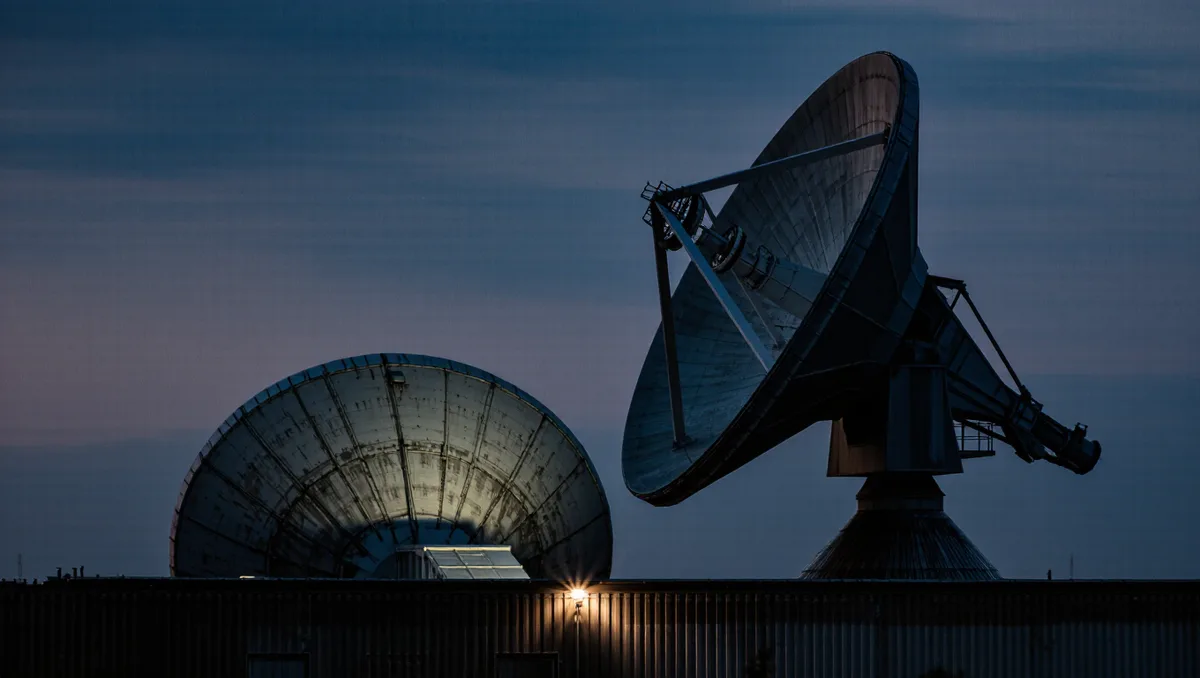
Germany will deploy a Patriot air and missile defense battery with roughly 150 soldiers to southeast Turkey from late June through September 2026, per Reuters on May 20, taking over duties at the Kurecik site in Malatya province from a US Patriot battery as part of NATO's long-running radar-site defense rotation on the alliance's southeastern flank.
The announcement came from the German Defense Ministry and was carried by Reuters and Defense News on May 19–20, 2026. This publication is an online outlet, not a broadcaster, and it drafts only from those attributed reports; details of the deploying unit's identity were not named in the available reports and are not guessed at here.
Why does a Patriot battery guard a radar site in Turkey?
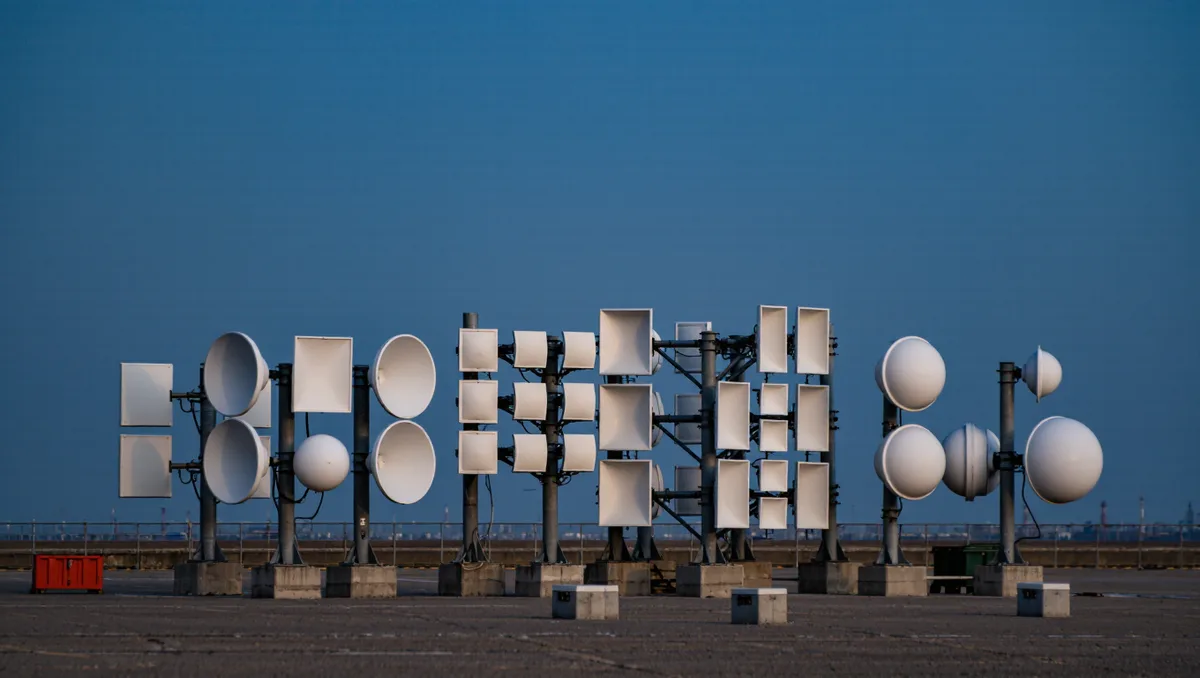
Kurecik hosts a NATO radar whose coverage feeds the alliance's integrated air and missile defense architecture, which makes the site itself a priority target in any escalation scenario. Defending a sensor is therefore defending the whole network: the battery's job is to hold a protective engagement envelope over the radar so the radar can keep looking outward. It is a specific, unglamorous task — one site, one envelope, indefinite duration.
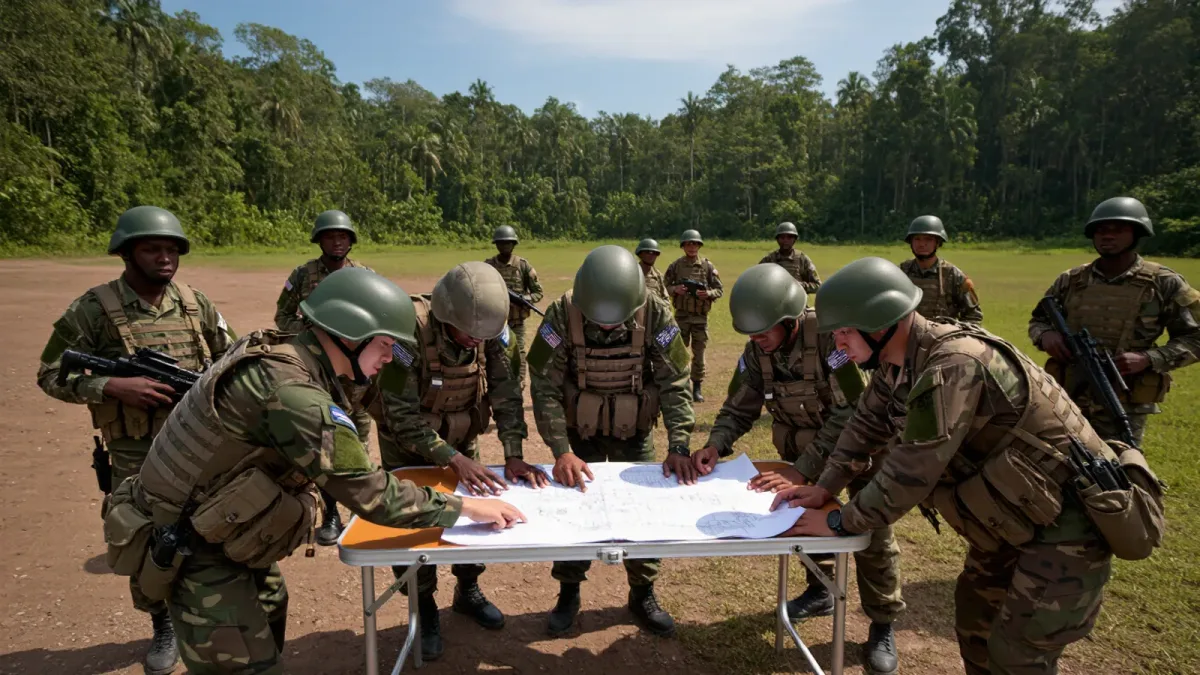
The rotation structure matters as much as the hardware. NATO has kept a protective element at the site for years, and the alliance's Allied Air Command in Ramstein coordinates the handovers, per the reports. A battery swap is planned months ahead: site surveys, communications integration, engagement procedure alignment, and the quiet logistics of moving dozens of vehicles and missiles across Europe.
What does this say about Germany's air defense posture?
The deployment is the latest marker of Berlin's expanded willingness to move its ground-based air defense abroad. Germany has taken on repeated expeditionary air defense tasks in recent years, and each rotation draws on the same finite pool of trained crews and launcher hours. Per the announced timeline, the German battery carries the mission from late June through September 2026 — a roughly one-quarter-year tour, which is short by battery-rotation standards and implies a follow-on handover already being planned.
There is also a signaling layer, acknowledged openly in European reporting: relieving a US unit lets American air defense resources shift elsewhere while a European ally demonstrates it can carry a NATO mission end to end. Whether that substitution becomes a pattern depends on the size of Europe's battery fleet relative to its commitments — a question the continent's current procurement wave is trying, slowly, to answer.
What is not known
The available reports do not name the deploying Bundeswehr unit, the missile configuration carried, or the interceptors allocated, and publicly available sources do not establish any of these. Wartime information is contested and hard to verify, and even peacetime deployments are often reported with deliberate vagueness; the confirmed core is the announced timeline, the location, the relieving mission, and the coordinating command. That is the whole trade: a battery, a radar, a rotation, and the geometry between them.