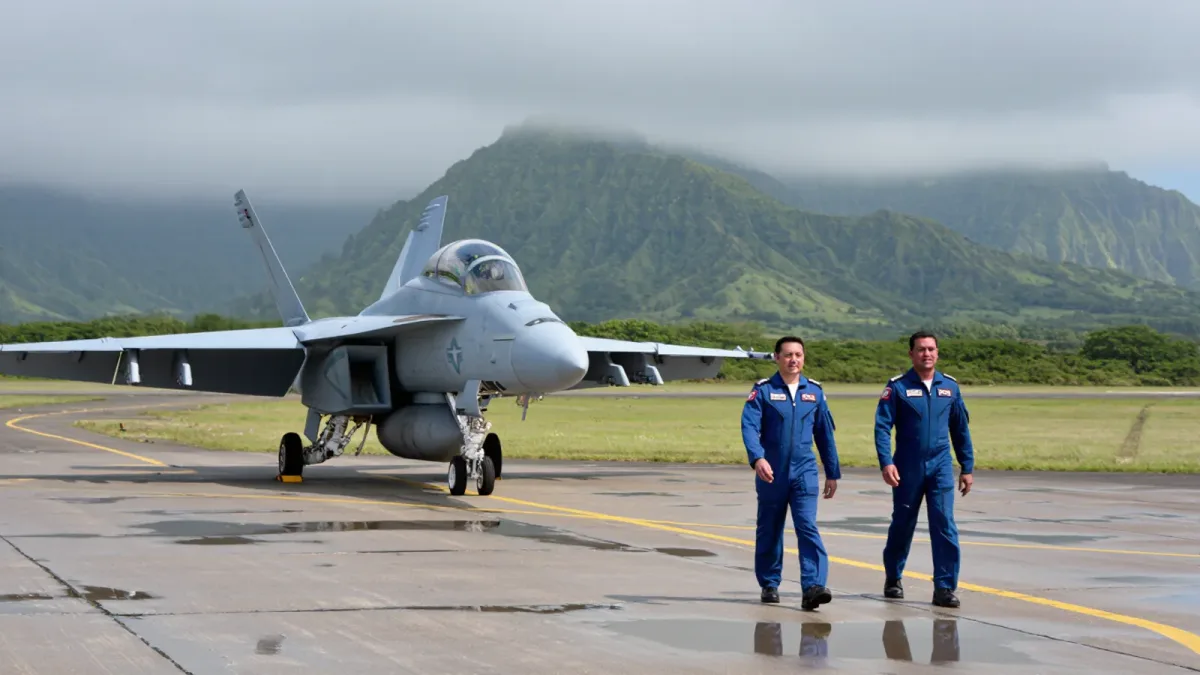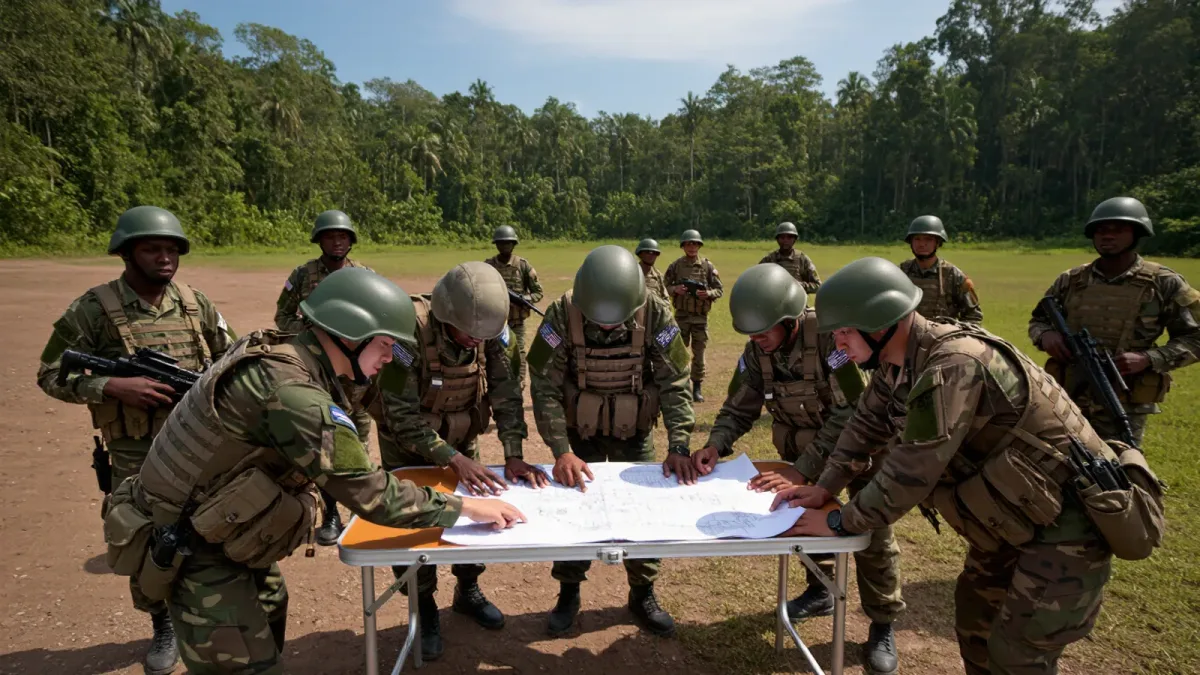
Exercise Balikatan 2026 concluded on May 8 after nineteen days of combined training across the Philippine archipelago, and per US Indo-Pacific Command it was the largest iteration of the annual Philippine–US series to date, with roughly 17,000 troops rehearsing combined air, land, sea, and coastal defense missions — including integrated air and missile defense, the discipline of linking sensors and shooters into one engagement picture.
The dates and scale come from official releases: USINDOPACOM's May 8 conclusion announcement and the III Marine Expeditionary Force exercise opener, both of which describe the 41st iteration. This publication is an online outlet, not a broadcaster, and its coverage is drafted from those official statements alone; wartime-style claims are not part of a training exercise, and none are asserted here.
What does integrated air and missile defense mean in a Balikatan setting?
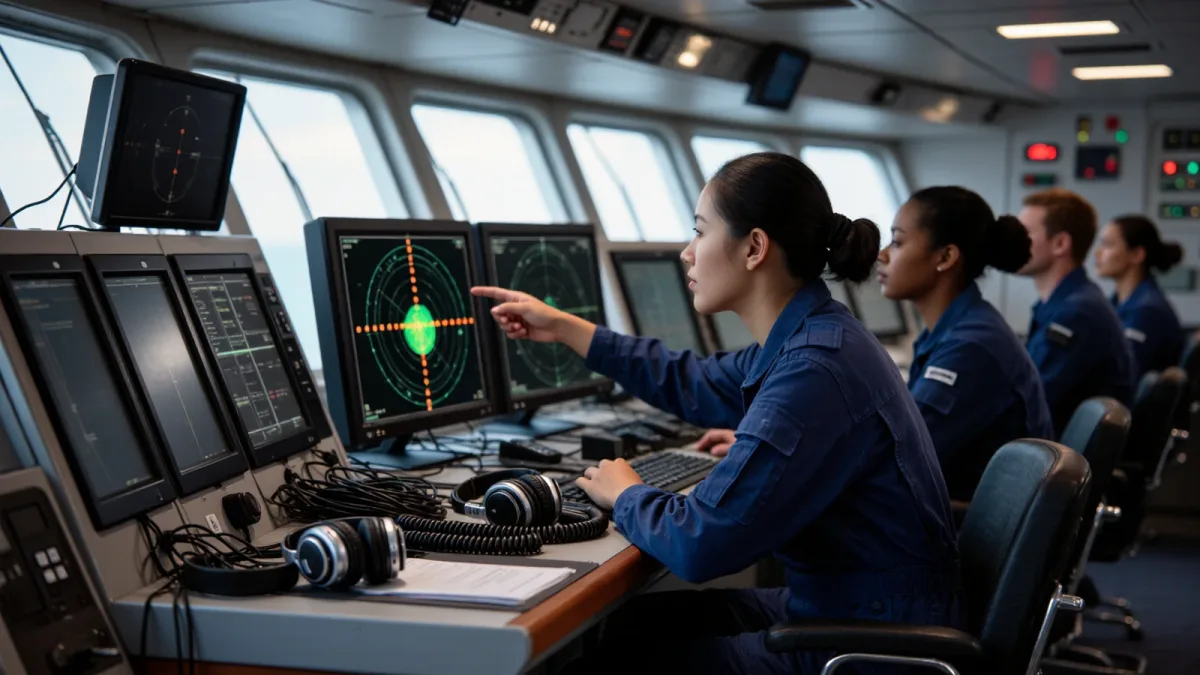
Integrated air and missile defense is a command problem before it is a launcher problem. The geometry of the Philippine archipelago — more than 7,000 islands spread across hundreds of miles — means no single radar or battery sees the battlespace, so the exercise trains the wiring: which sensor cues which shooter, how detection data crosses service and national boundaries, and how quickly a track moves from first detection to an engagement decision. Official releases describe the activity in general terms; specific system pairings used in 2026 are not itemized in the sources available.
The exercise's coastal defense emphasis adds a second layer, because anti-ship missions and air defense missions draw on the same sensing and command fabric. A force rehearsing both is rehearsing the architecture, not just the weapons.
Why did the 2026 iteration draw outsized attention?
Per the III MEF announcement, this year's exercise was billed before it began as the most expansive Balikatan to date, and the final troop figure of roughly 17,000 bore that out. Per USNI News' report on the exercise's conclusion, Adm. Samuel Paparo, commander of US Indo-Pacific Command, described the event as a rehearsal for the defense of the Philippines — a framing that places the exercise in the context of the US–Philippines Mutual Defense Treaty without asserting any specific operational commitment beyond it.
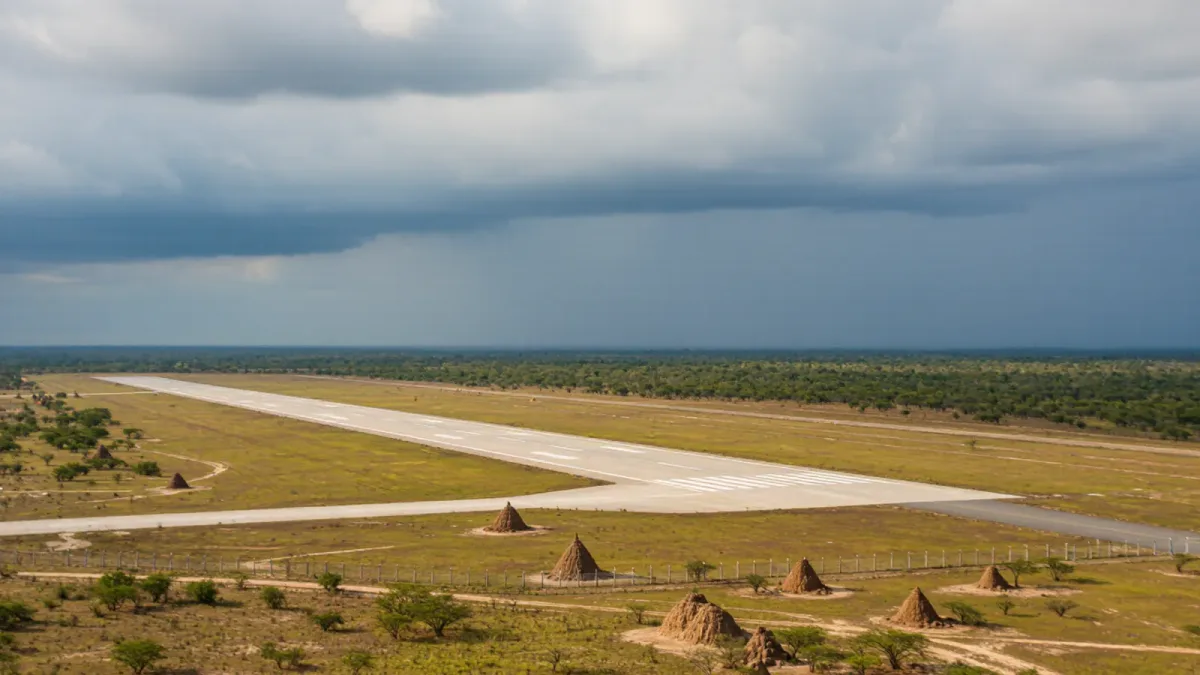
For air defense watchers, the significance is geographic. Northern Luzon sits astride the Luzon Strait, one of the few deepwater passages between the Western Pacific and the South China Sea, so air defense and maritime strike training on that island is training over real chokepoint geometry rather than symbolic terrain.
What the exercise does and does not establish
What Balikatan 2026 establishes, per official statements: a larger combined force than any prior iteration, an explicit integrated air and missile defense mission set, and a ninth year of expanding Philippine–US defense cooperation. What it does not establish: how any specific system performed, what engagement procedures were validated, or what force posture will remain after the exercise closes. Exercises release imagery and intent, not results. The mechanism being trained — one airpicture from many sensors — is real, and its annual rehearsal says more than any single platform on the ramp. That is the whole trade.