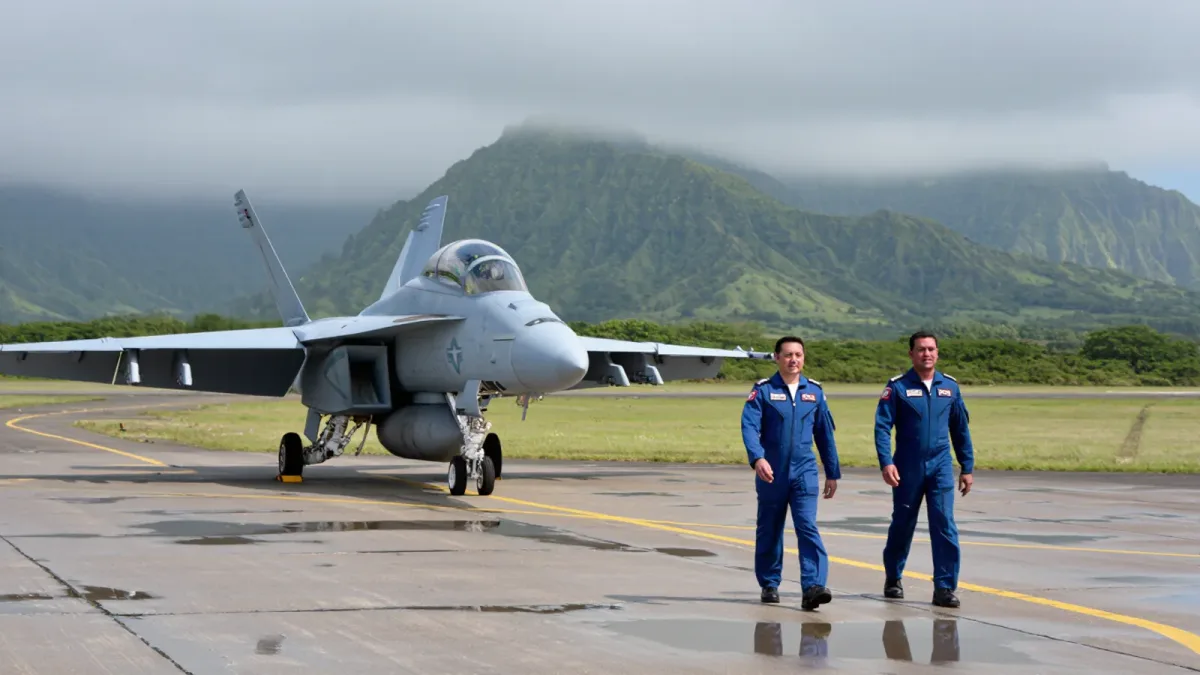
Exercise Pitch Black 2026 is at full strength over northern Australia this week of its run: per the Royal Australian Air Force, the biennial exercise brings 21 nations and up to 100 aircraft to RAAF Base Darwin and RAAF Base Tindal between July 20 and August 7, 2026, with four first-time flying participants — Italy, Papua New Guinea, the Philippines and Spain — joining the large-force lineup.
The figures are the RAAF's own, from its official exercise page, reinforced by the Australian Department of Defence release of July 16 marking the exercise's opening. This publication is an online outlet, not a broadcaster, and its coverage draws only on those official statements; engagement results from the exercise are not published, and none are reconstructed here.
What is Pitch Black actually rehearsing?
The RAAF describes the core mission set as offensive and defensive counter air — OCA and DCA — flown in large-force packages that combine strikers, escorts, electronic warfare aircraft and tankers against a live opposing force. The defensive counter air half is the air defense story: massed inbound raids, compressed decision timelines, and identification procedures executed at radio-saturated scale, day and night.
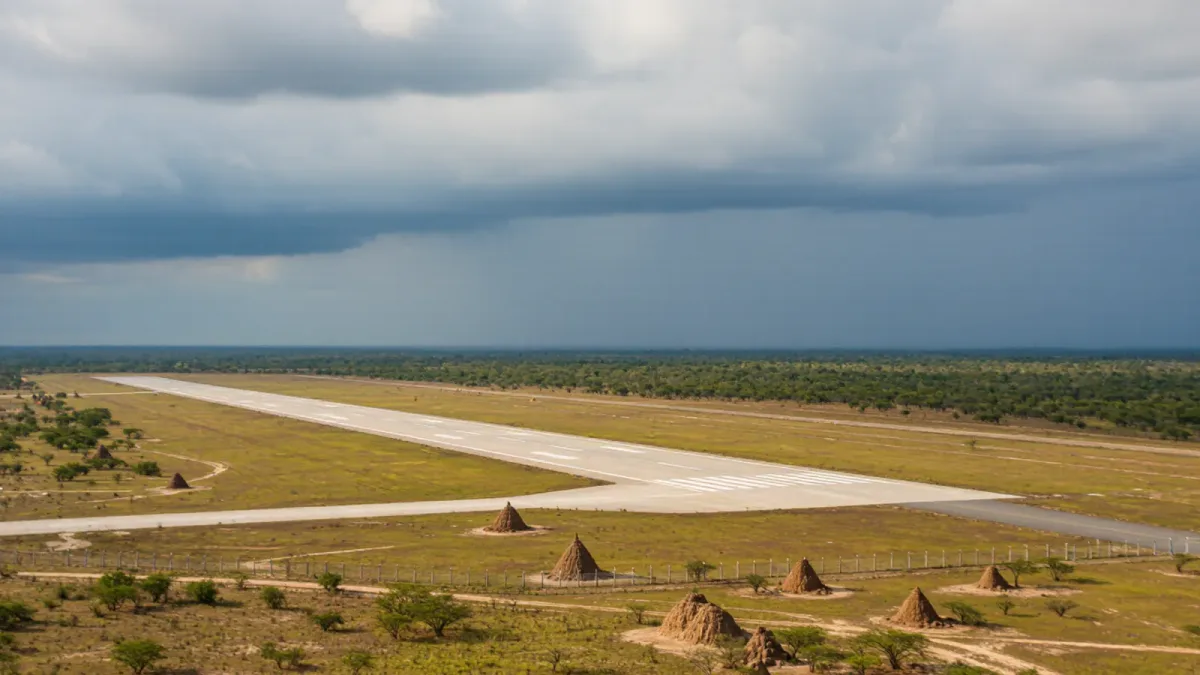
Northern Australia's geography does half the work. The exercise ranges span tens of thousands of square kilometers of sparsely populated airspace, which allows package sizes and mission profiles no European or East Asian range can accommodate. Per the Defence release, day and night flying operations run throughout, which matters because large-force employment at night — tanker rendezvous, package integrity, night identification — is where allied interoperability actually gets tested.
Why do first-time participants matter?
Italy, Papua New Guinea, the Philippines and Spain flying in 2026 per the RAF's participant listing widens the set of air forces whose procedures have been mutually exercised in one place. Pitch Black's value is precisely procedural: a fighter controller or mission commander who has worked with twelve nations' datalinks and radio protocols is worth more than any single platform capability, because integration failures, not sensor gaps, are what break an allied airpicture under load.
The participant total of 21 nations also makes the 2026 edition one of the largest in the exercise series' four-decade history, per the RAAF's published framing.
What the exercise does not establish
Official pages list participants, dates and mission categories — not tactics, not results, not system performance. Per the available releases there are no published engagement statistics, and claims about how any nation's aircraft performed should be treated as unconfirmed and weighted accordingly. What is real and verifiable is the structure: 21 nations, up to 100 aircraft, six weeks of logistics movement compressed into three weeks of flying, all coordinated from two bases in the Top End. That is the whole trade, and the geometry of it — many airforces, one airpicture — is why the exercise exists.