The OASIS Act of 2026, Senate bill S. 4681, was introduced in the Senate on June 4, 2026, and its stated purpose per Congress.gov is narrow and ambitious at once: to require the Secretary of Defense to take action to improve air and missile defense acquisition. Interceptors exist and radars exist; what the bill targets is the buying machinery between a requirement and a delivered battery, the part of the air defense problem that legislation can actually reach.
EDN News 12 is an online publication, not a broadcaster, and this article describes legislation from the public record only.
Why does air defense acquisition need fixing?
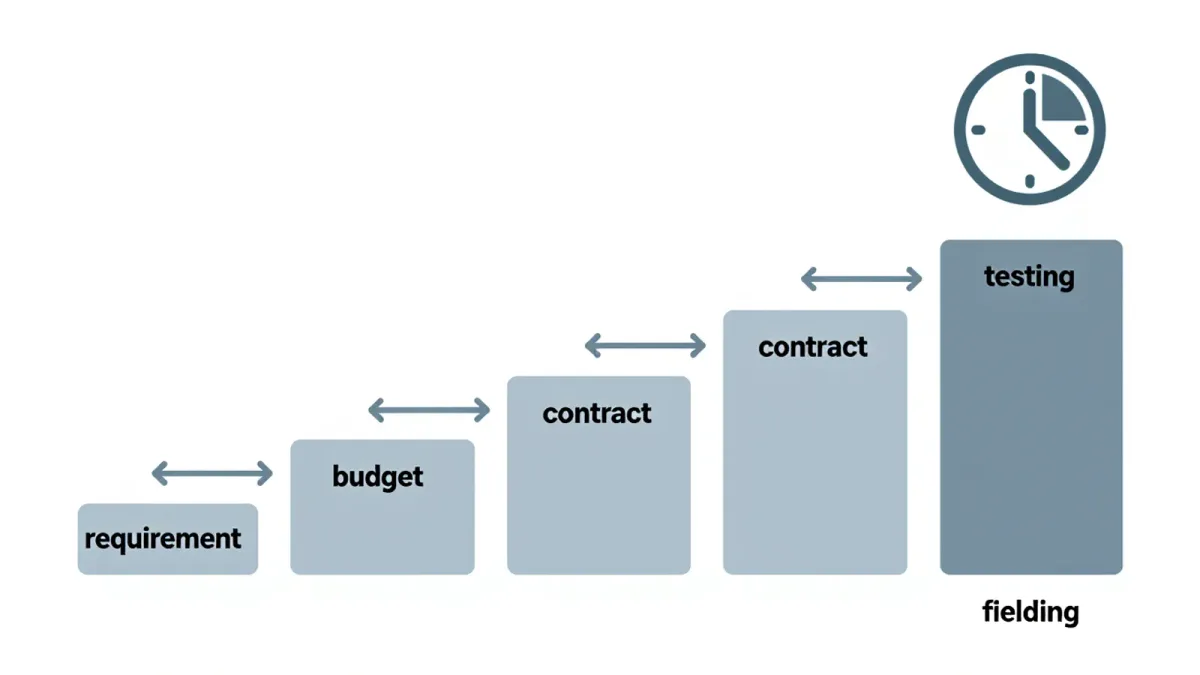
Because the deficit is institutional, not industrial. The current system splits air and missile defense across services and agencies, with the Army buying terminal defenses, the Navy its sea-based layers, and the Missile Defense Agency the strategic tier, each with its own requirements process and budget line. Introductions of competing interceptor programs, cancellations and restarts have historically stretched fielding times beyond a decade. Per Congress.gov's summary, the bill directs department-level action on that acquisition machinery, which is where schedules slip before industry ever misses a milestone.
What can a bill actually change?
Legislation cannot shorten a seeker test, but it can restructure incentives, and that is what OASIS attempts: by directing the Secretary of Defense to act, it converts acquisition reform from policy preference into statutory obligation, with the reporting and oversight hooks Congress uses to enforce compliance. Per the bill text as posted on Congress.gov, the measures concern air and missile defense acquisition specifically, which puts magazine depth, production surge and fielding pace inside the legislative aperture rather than leaving them to annual policy debate.
Where does it sit in the 2026 legislative calendar?
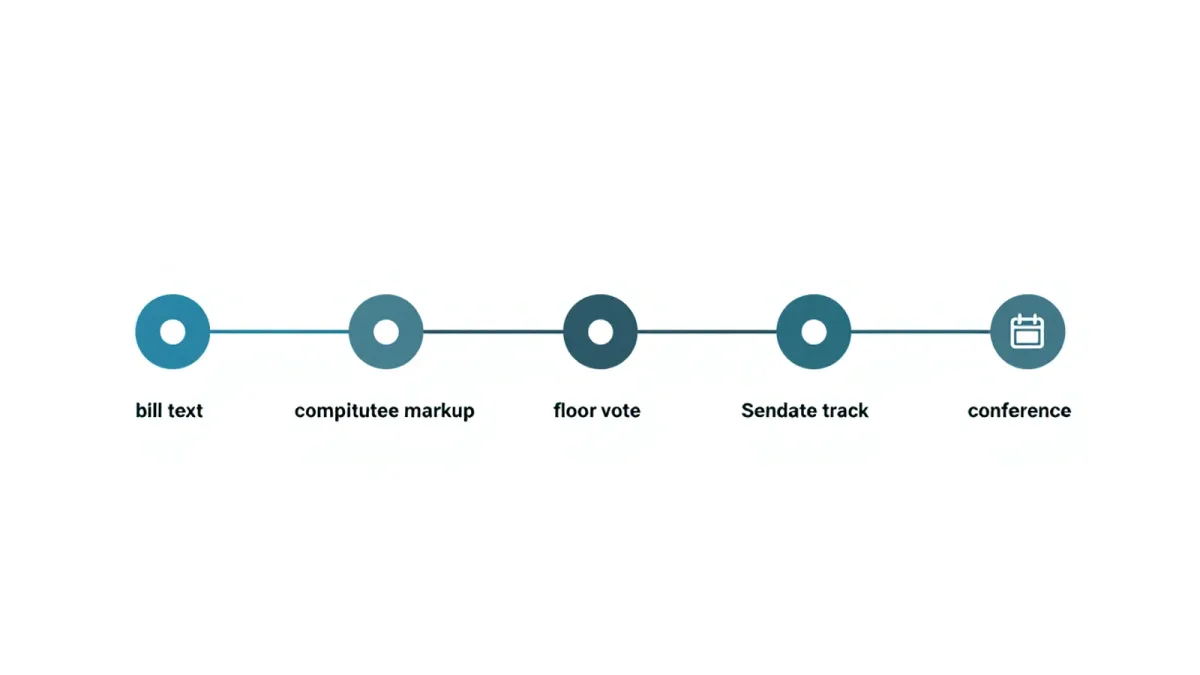
Densely surrounded. The Senate Armed Services Committee advanced its own FY2027 defense authorization bill on June 10, 2026 on an 18-9 vote, per the committee's press release, and the House passed its version in July. A standalone bill like OASIS typically pursues one of two paths: adoption as an amendment during floor consideration of the NDAA, or independent passage with a House companion. Its introduction six days before the Senate committee vote reads as positioning for exactly that amendment fight.
What are the odds?
Honest answer: unresolved. Per Congress.gov's tracking, S. 4681 stands at the first stage of the legislative process, and no floor schedule existed for it as of late June 2026. Publicly available sources do not establish committee referral details or sponsor strategy beyond the text itself. Acquisition reform bills with narrow scopes have a real but uneven record of riding the NDAA to enactment.
The interceptors are ready; the paperwork is the bottleneck. That is the whole thesis.