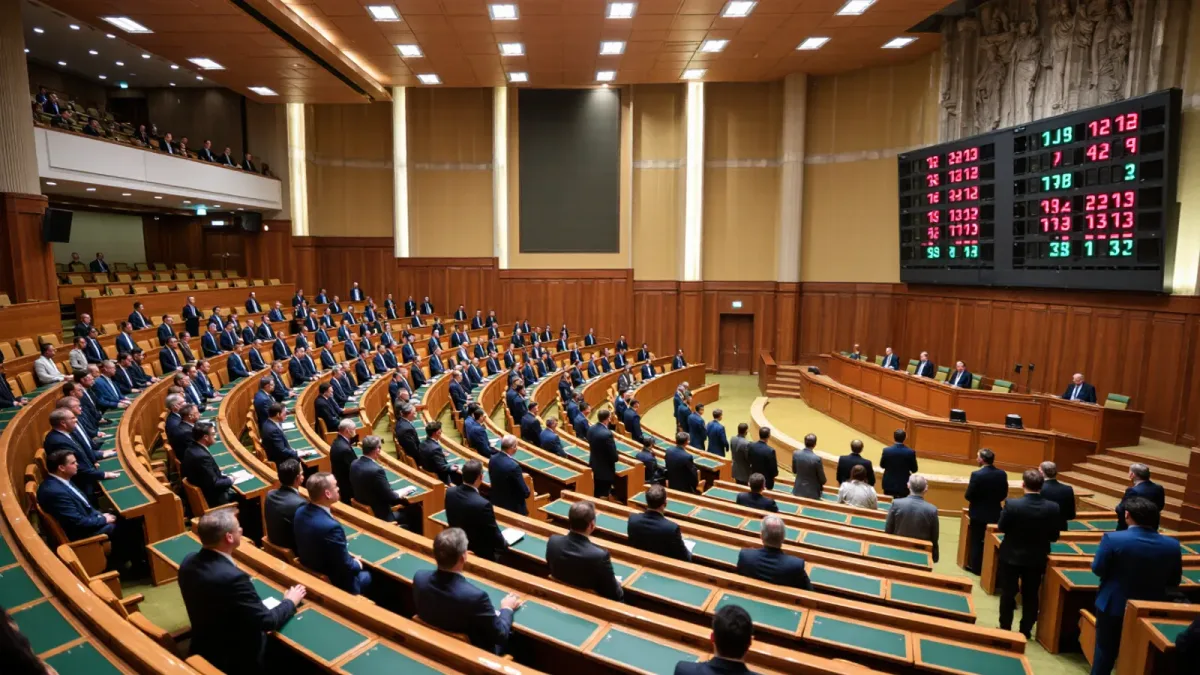
The House passed H.R. 8800, the National Defense Authorization Act for Fiscal Year 2027, on July 22, 2026 by a vote of 216 to 212, per the official roll call recorded on GovTrack, with the bill's reported topline near 1.15 trillion dollars per Breaking Defense's same-day coverage. Passage by six votes, almost entirely along party lines, signals how contested the annual defense authorization has become, and it leaves air defense programs awaiting a House-Senate conference with no clear calendar on the other side.
EDN News 12 is an online publication, not a broadcaster, and this article reports the legislative record from official and attributed sources.
What does the NDAA actually authorize?
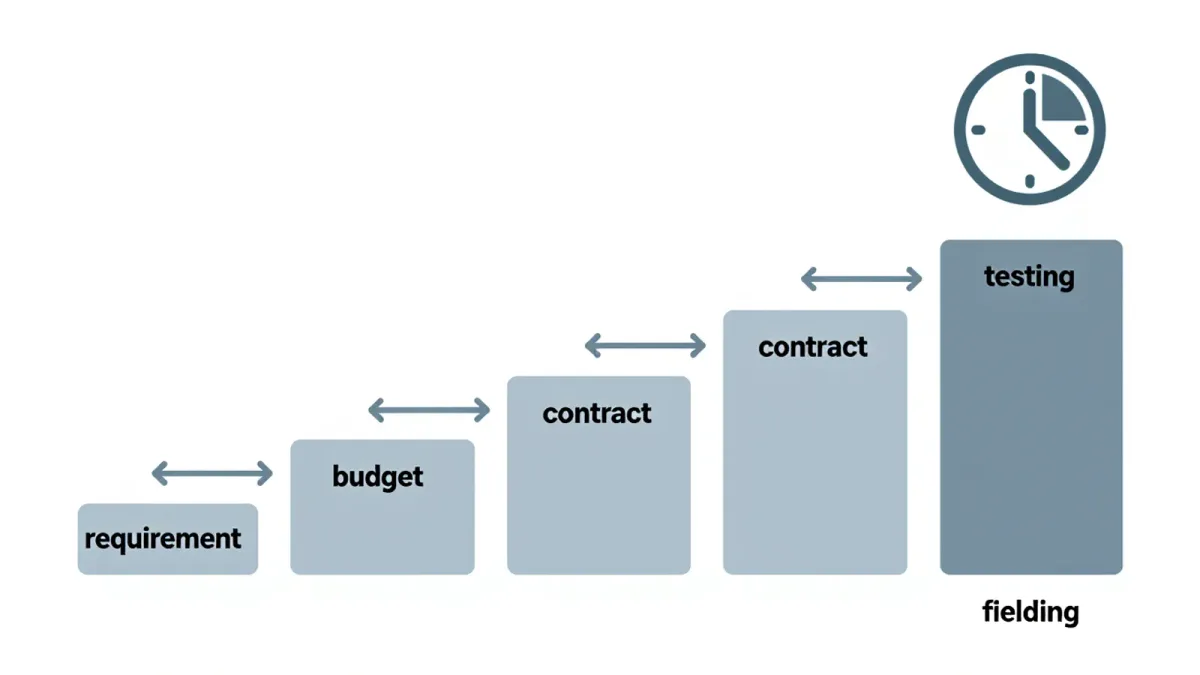
It authorizes, it does not appropriate. The NDAA sets policy, endstrengths and spending ceilings for the Defense Department, while the money moves separately through appropriations bills. For air defense, that means the FY2027 act shapes program direction, acquisition authority and authorized quantities for missile defense, but every interceptor actually bought still requires the appropriations act to fund it. An authorization without an appropriation is a map without fuel.
How narrow was the vote, and why does it matter?
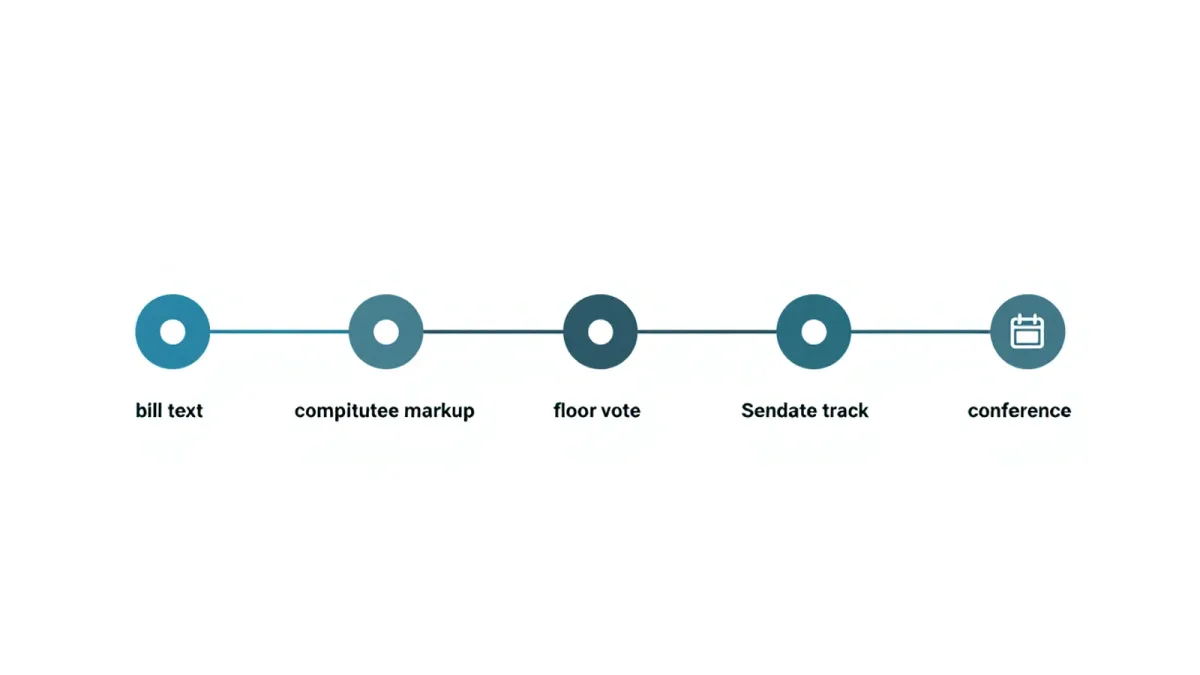
Per the roll call and Breaking Defense's July 22, 2026 report, the vote ran 216 to 212, with Republicans voting 209 to 7 in favor and Democrats 6 to 205. A margin that thin leaves little room for the kind of bipartisan conference agreement the NDAA normally requires, and it foreshadows floor fights over every amendment with a budget line, missile defense included. The committee stage had been smoother: the House Armed Services Committee advanced the bill 58 to 1 on June 4, per the committee record, before the floor narrowed it.
Where does the Senate stand?
The Senate Armed Services Committee advanced its own FY2027 NDAA on June 10, 2026 by an 18 to 9 vote, per the committee's press release, but per Breaking Defense the floor measure remains stalled, with Senate Democrats blocking proceedings in July. Publicly available sources do not establish when or whether floor action resumes, which makes the conference timeline, and with it final FY2027 air defense authorizations, genuinely undetermined as of this date.
What should air-defense watchers watch in the bills?
Three items as the process moves: authorized quantities for interceptor procurement in the House and Senate versions, which the conference reconciles; any language on missile defense agency organization, where both chambers historically tussle; and the continuing resolution risk, because without appropriations on October 1, authorizations govern nothing that spends. Each affects the fielded magazine, not the paper one.
Six votes, two chambers, one clock. That is the whole margin.