The chairman's mark of H.R. 8800, the National Defense Authorization Act for Fiscal Year 2027, was released by House Armed Services Committee Chairman Mike Rogers and Ranking Member Adam Smith ahead of a full committee markup scheduled for Thursday, June 4, 2026 at 10:00 a.m., per the committee's own announcement and bill-text posting. For air defense, this is the first public text of the year's most consequential document: the mark's missile defense sections and authorized quantities now enter an amendment fight that anyone can read in real time.
EDN News 12 is an online publication, not a broadcaster, and this article reports the legislative record from committee documents.
Why is the chairman's mark the moment to watch?
Because the mark is the baseline. Amendments adopted at the June 4 markup are measured against Rogers and Smith's text, and whatever survives becomes the House position in the eventual conference with the Senate. Per the committee's resource page, the posted package includes the mark's full text and an amendment tracker updated live during the session. For missile defense watchers, that means every authorized interceptor quantity and program directive is public days before any vote, an unusually transparent window in the process.
What does the markup stage decide for air defense?
Structure and authority, more than money. The NDAA authorizes programs and sets ceilings; the mark's missile defense sections typically carry policy directives to the Missile Defense Agency and the services, acquisition authorities, and authorized procurement quantities. Committee markups are where regional defense initiatives, interceptor multiplication requirements and oversight reporting requirements get attached. Per CRS's status reporting on the FY2027 cycle, the Senate Armed Services side had its own subcommittee markups scheduled for June 8 and 9, so both chambers' baselines form within a week of each other.
How does this markup differ from last year's?
The statutory backdrop changed: the FY2026 act, signed in December 2025, codified the Golden Dome homeland missile defense policy into Public Law 119-60, per Congress.gov's enactment record. That means this is the first markup season in which the Golden Dome program executes under standing statute rather than an executive order, and the FY2027 mark is the first congressional text to direct, question or expand that mandate. Committee documents posted with the mark are the primary evidence of how the House intends to steer it.
What happens after June 4?
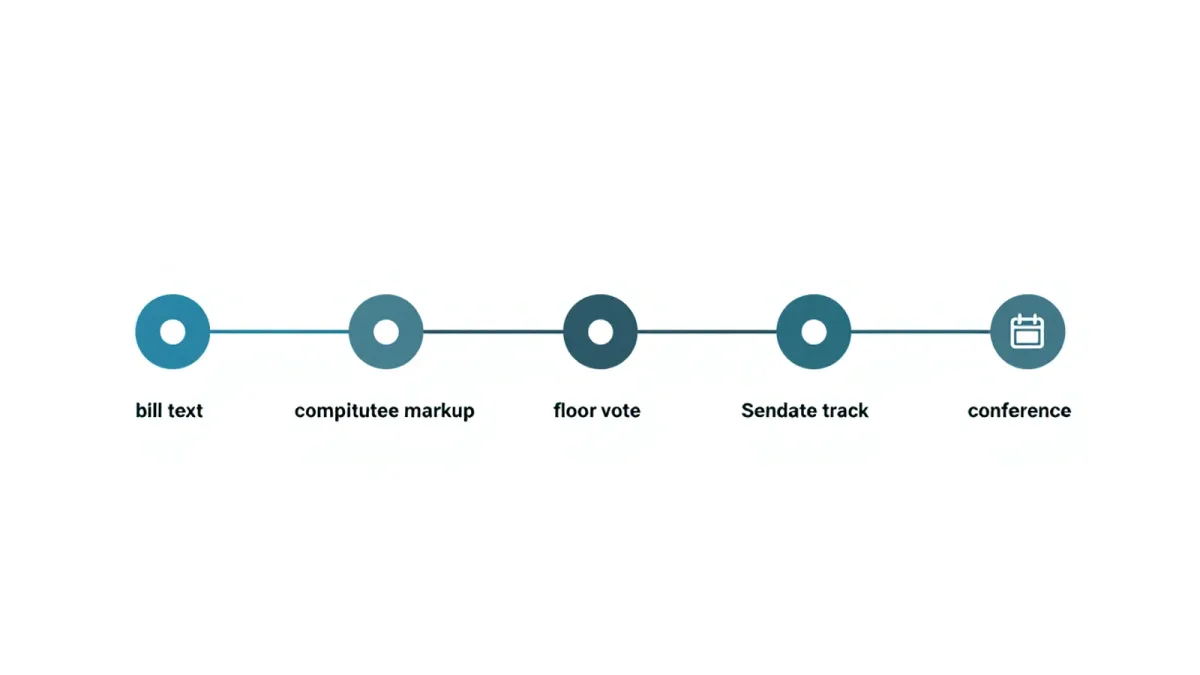
The committee votes, amendments run on a public tracker, and reported text moves to the House floor, with the Senate building its parallel bill the following week. Final authorized quantities for interceptors and missile defense emerge only in conference, months later. As of this date, per the committee record, no floor schedule existed. The mark is the opening bid, not the outcome.
The text is public; the amendments are next. That is the whole process, laid open.