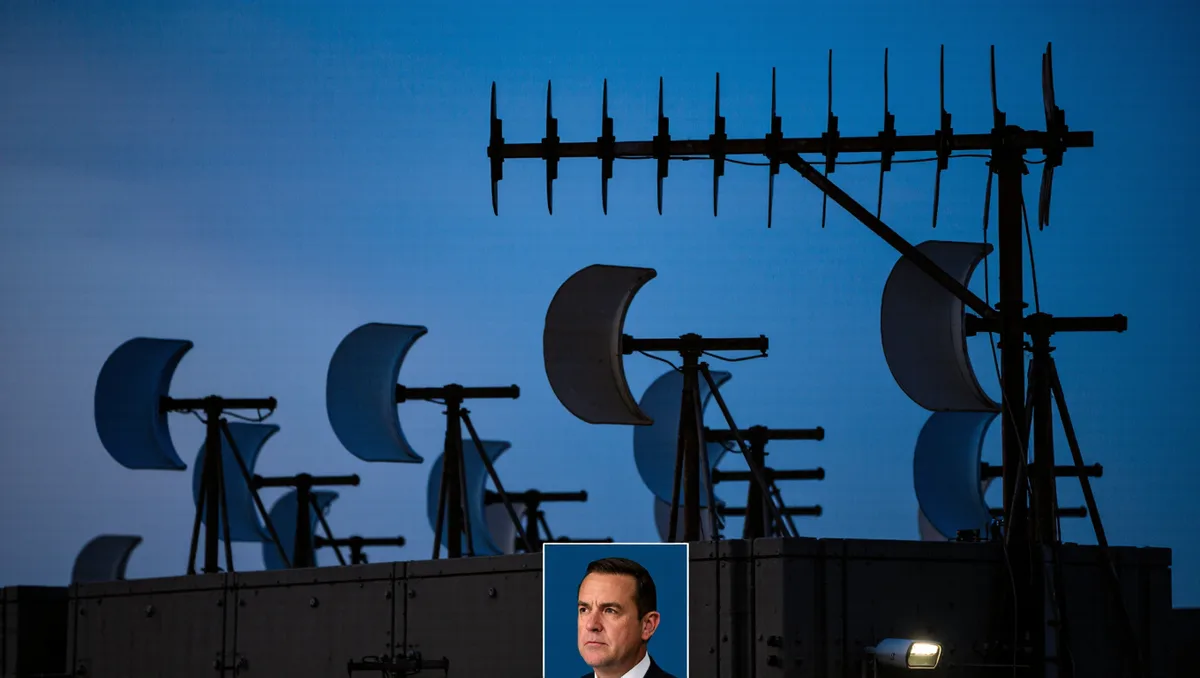
Deterrence by denial is the strategy of convincing an adversary that attack will fail at acceptable cost — and layered defense is its physical grammar, because every additional defensive tier multiplies the missiles an attacker must expend while eroding confidence that any single strike plan will work. NATO's 2022 Strategic Concept, agreed in Madrid on 29 June 2022, puts the allied formula plainly: deterrence through a mix of denial, and the capability to respond.
The contrast with its sibling matters. Deterrence by punishment threatens retaliation after the fact; denial promises that the attack itself breaks against the defenses, before its objectives are reached. Punishment rests on the credibility of a political decision to escalate. Denial rests on hardware that either works or does not, which is why its practitioners obsess over intercept math and why its signals are read through procurement, not communiqués.
How do layers actually change the attacker's math?
Each layer forces engagement decisions and magazine consumption before the attacker's weapons reach their targets. A notional strike of forty cruise missiles against a defended complex illustrates the mechanism, using openly stated engagement logic rather than classified performance:
- Outer air layer. Fighter patrols and long-range surface-to-air systems force the attacker to launch stand-off, at longer ranges and with less accuracy than planned, and to escort strike aircraft against the possibility of interception.
- Medium layer. Systems like the Patriot, whose manufacturer and multiple government operators describe as fielded across many nations, engage cruise missiles and aircraft at medium range, consuming the raid's mass before terminal phases.
- Terminal layer. Point defense — systems such as the C-RAM the US Army fielded in Iraq in 2005 per Army statements — engages what leaks through, defending individual high-value assets.
- Passive layer. Hardening, dispersal, decoys and redundancy absorb the remainder, denying effects even to leakers.
The arithmetic is the signal. If each defended layer forces the attacker to allocate salvos against the defenses themselves, the forty-missile raid becomes a hundred-missile raid for the same effect — and the attacker must question which of its weapons survive to reach anything. Real-world intercept rates in combat remain contested; wartime performance claims, such as those published by Israel's military for its Iron Dome interceptions, come from the operator itself and are hard to verify independently. The architecture, not the headline percentage, is what denial posture signals.
What do allies' current layers actually look like?
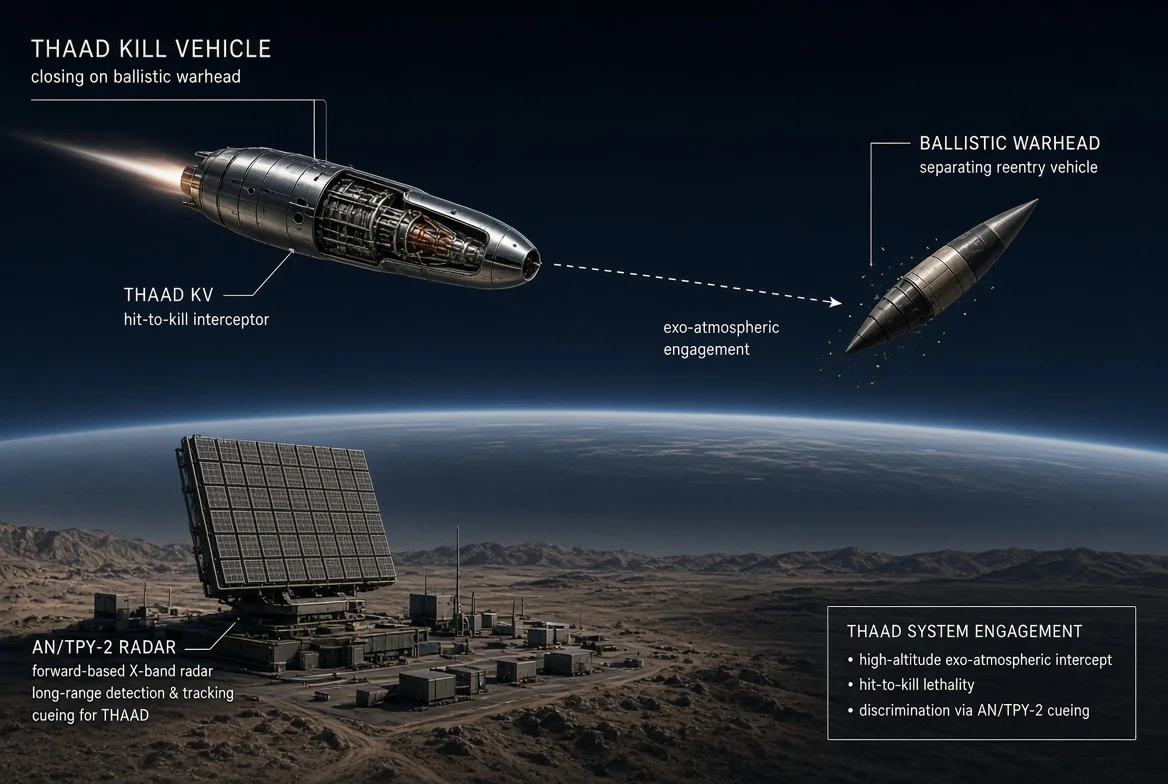
The NATO European architecture gives the cleanest public illustration. At its outer edge, the alliance's integrated air and missile defense network ties national radars and shooters into common command — the Combined Air Operations Centers that task everything from Baltic quick reaction alert fighters to national SAM battalions. In the missile defense tier, the Aegis Ashore site at Deveselu, Romania, was declared operational in May 2016 per NATO announcements, with a second site at Redzikowo, Poland, declared operational in December 2023 — both built around the US Navy's Aegis system in a land configuration, and both officially described as directed at ballistic missile threats from outside Europe, a designation Iran-related rather than Russia-related in published US statements, which Moscow has consistently disputed.
On the eastern flank, denial takes a ground-force form: the enhanced Forward Presence battlegroups and the air defense, anti-tank and engineer units attached to them are built to make a rapid advance operationally messy from the first hours, buying time for heavier forces. Ukraine's air defense war since February 2022, covered extensively by Reuters and other outlets, has supplied the largest live demonstration of layered defense logic in decades — with the caveat that wartime performance figures originate from the combatants and remain contested.
What is the signal meant to reach whom?
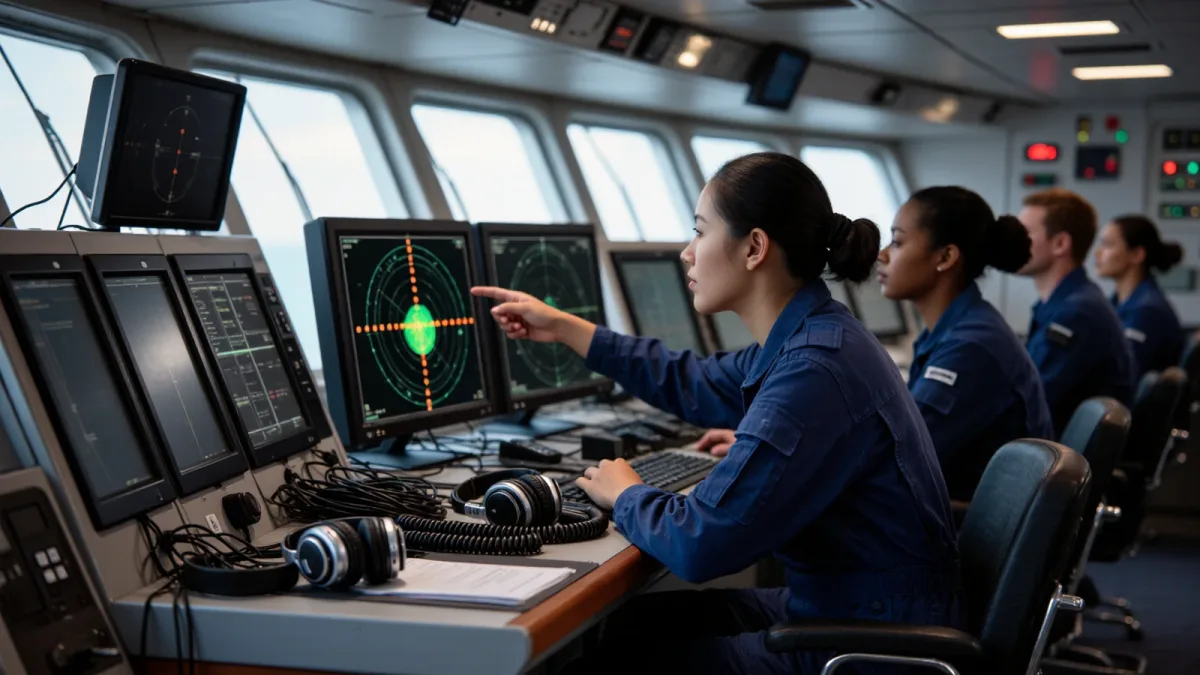
Three audiences, in descending order of importance. The adversary's military planners are the primary target: denial works when their campaign models show the strike failing, which is why architectures are deliberately visible — deployments, exercises and even manufacturer marketing serve as readable evidence. The adversary's political leadership is the second audience, since planners' pessimism must translate into a decision not to act. The third audience is domestic and allied: a visible layered defense reassures publics and allies that protection exists, which is why denial postures are announced with ceremony while punishment postures — nuclear targeting, retaliation plans — stay classified by necessity.
The asymmetry is telling. Denial can be demonstrated; punishment can only be implied. That is why denial-heavy alliances build parades of hardware while punishment-heavy doctrines publish little.
Where does denial posture fail?
Three failure modes recur in the published record. Magazine depth: defenders shoot expensive interceptors at cheaper threats, and the cost-exchange problem — examined in detail in analyses by the Center for Strategic and International Studies and similar institutions — becomes unsustainable in protracted attack. Saturation: enough simultaneous leakers overwhelm any finite number of fire-control channels, which is why defenders invest in electronic attack and decoys rather than interceptors alone. Discrimination: decoys, jamming and sea-skimming profiles stress the sensors that make the layers work; a layer that cannot see cannot shoot, regardless of its missiles.
There is also a political failure mode: denial promised and under-delivered breeds the escalation it was meant to prevent. If an attacker believes the layers are thinner than advertised — a judgment it makes from public evidence, exercises and intelligence — denial posture can invite the attack it was purchased to deter. Publicly available sources do not establish how any specific adversary models these questions, and honest analysis stops at that line.
How should a reader read a defense deployment as a signal?
Look for the three markers that distinguish denial from theater. Whether the deployment includes interceptors rather than only strike systems — denial deploys shooters. Whether it is built in depth, with announceable layers at different ranges, rather than a single forward line. And whether magazines, reloads and resupply infrastructure accompany the launchers — denial is a logistics strategy wearing an air defense costume. Apply those tests to any announced deployment and the strategic grammar reads itself.
That is the whole trade. Denial does not threaten the attacker with consequences; it threatens the plan with arithmetic.