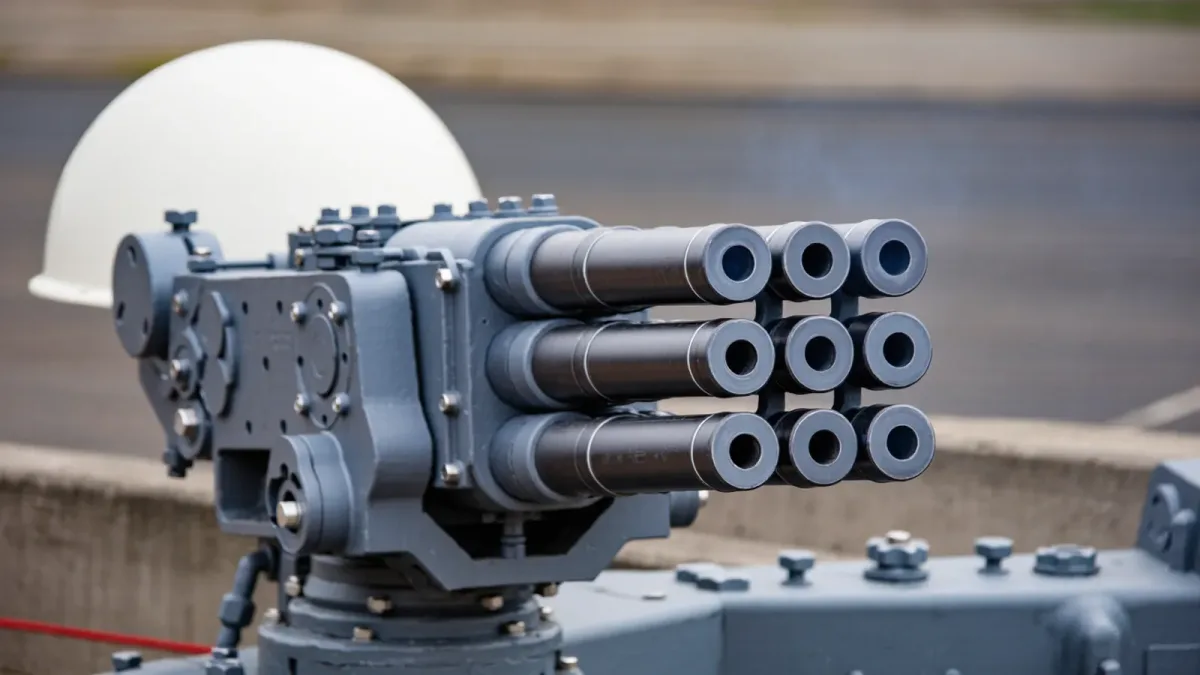
Counter-rocket, artillery and mortar defense, C-RAM, is the practice of detecting and destroying incoming rockets, shells, and mortar bombs while they are still in flight, and its hardest requirement is time: a mortar round fired at close range can cover its entire trajectory in under 30 seconds, per ballistic timing tables of the kind used in published gunnery literature. The U.S. Army fielded its land-based C-RAM system in Iraq beginning in 2005, per Army program history, adapting the Navy's Phalanx close-in weapon system to protect forward operating bases.
The target itself explains the difficulty. A 120-millimeter mortar bomb is a ballistic object with no engine, no radar return much larger than a dinner plate, and a flight measured in tens of seconds. EDN News 12 explains the mechanism from open sources, and where effectiveness figures are claims by the manufacturer or the service rather than verified results, the text says so.
Why are rockets, artillery and mortar rounds so hard to intercept?
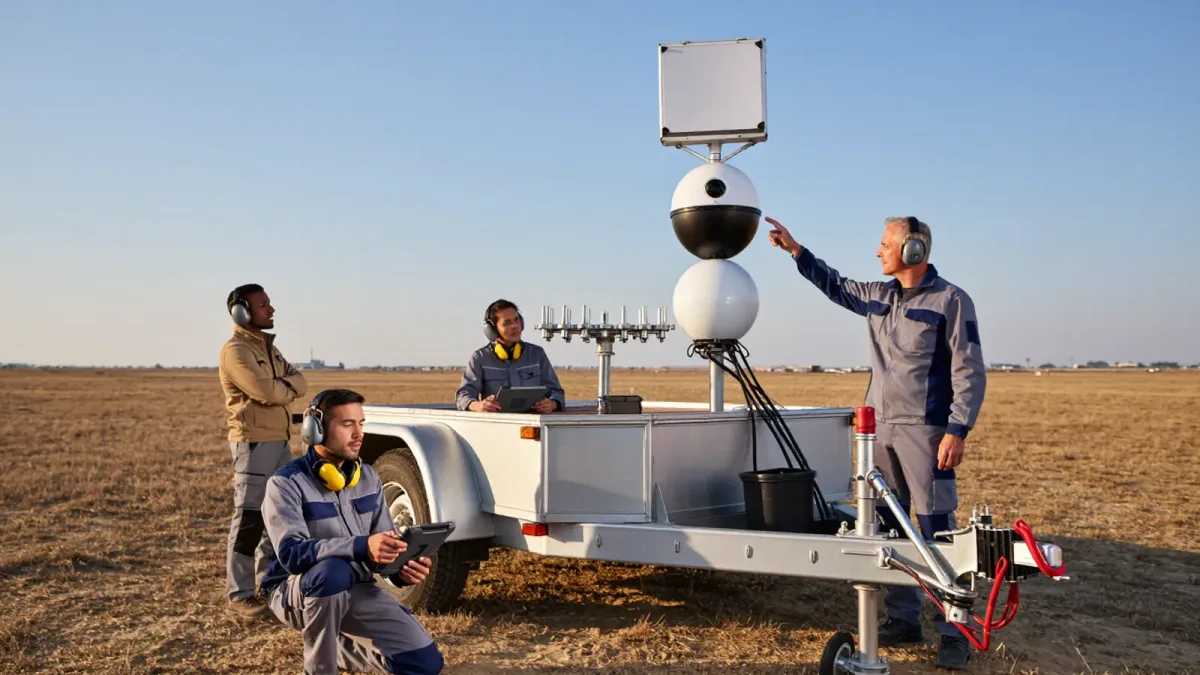
RAM targets are hard because they combine small radar cross-section, short flight time, and large numbers. A surveillance radar must pick a mortar bomb's return out of ground clutter near the launch point, establish a track in one or two seconds, and extrapolate a parabola fast enough to decide both where the round will land and whether an intercept is geometrically possible. Unlike an aircraft, the round cannot maneuver, but unlike a missile raid, it arrives in salvos that share one radar's attention.
The saving grace is predictability. A ballistic round flies a known shape, so once the radar holds a track for even a fraction of the trajectory, it can compute the impact point and hand off only those rounds that threaten a defended area. This filter, dropping rounds that will land harmlessly, is the core of what Army public materials describe as the C-RAM radar and command system's approach, and it conserves the most expensive part of the system: its shooters.
How does a gun system hit a shell in flight?
The gun layer works by filling a moving point in space with projectiles and letting the target fly through them. The land-based Phalanx-derived C-RAM gun uses a 20-millimeter gatling gun firing at a rate claimed by the manufacturer at 4,500 rounds per minute, with a radar that tracks the incoming round and the outgoing stream simultaneously so the fire control can steer one into the other. The engagement window at typical ranges is a few seconds, which is why the reaction is automatic once authorized.
Ammunition choice matters as much as rate of fire. Over land, a gun firing thousands of armor-piercing rounds creates a downrange hazard, so the Army's C-RAM variant uses a self-destructing, less-lethal-per-round ammunition type described in Army program documents specifically to reduce the risk to populations under the firing arc. Even so, the gun's reach and its magazine are finite, and a sustained barrage can outlast them, which is why the gun is one layer rather than the whole system.
Where do missiles fit into the C-RAM picture?
Missile layers take the engagements that are too far, too high, or too numerous for the gun. The clearest fielded example is Israel's Iron Dome, whose manufacturer, Rafael, claims more than 5,000 intercepts and a success rate above 90 percent in operational use, figures stated by the company and by Israeli officials that no independent audit has confirmed. Iron Dome's own logic mirrors the C-RAM filter: its radar predicts each rocket's impact point and fires Tamir interceptors only at the rounds that will land near protected areas.
Other systems play supporting roles. Conventional short-range air defense missiles can engage larger rockets and cruise missiles but are often too expensive to spend on mortars. Laser systems have been pursued for exactly this niche: the U.S. Army publicly tested 300-kilowatt-class prototypes in 2022-2024 under its directed energy programs, per Army announcements, with the promised advantage of a deep magazine at the cost of electricity, though publicly available sources do not establish operational fielding at scale.
What does a complete C-RAM architecture look like?
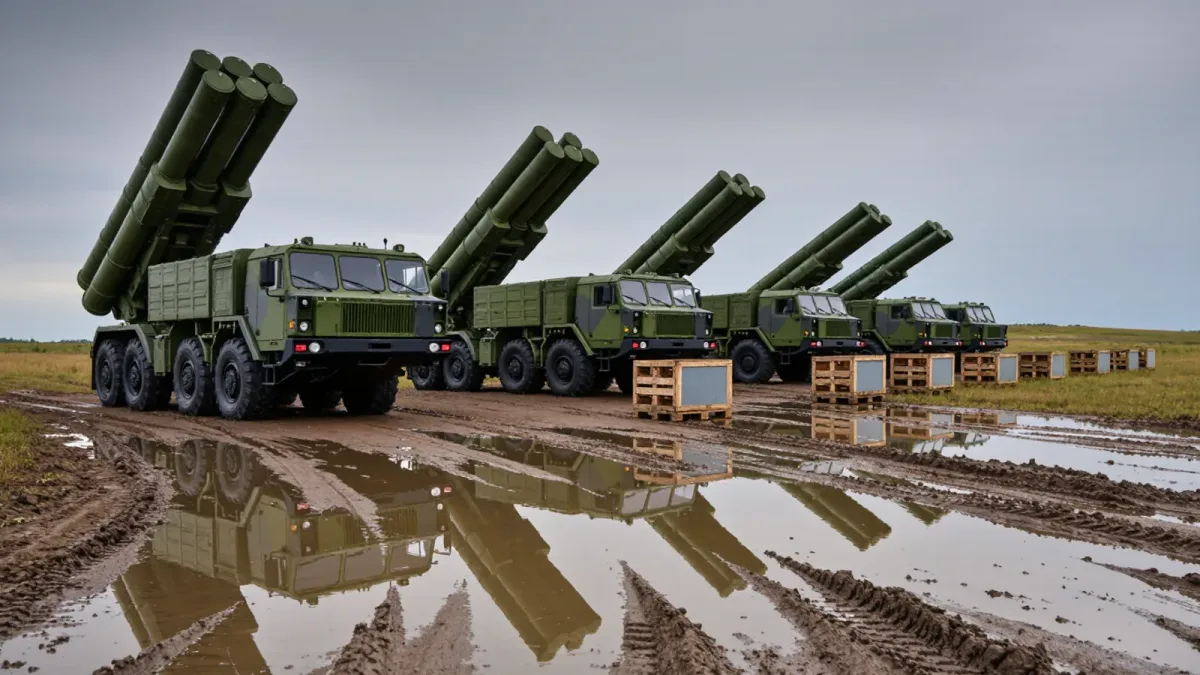
A working counter-RAM defense stacks four layers, each covering the others' weaknesses.
- Sense and warn: radar predicts impact points and triggers sirens or alerts, giving personnel seconds to take cover. This layer never misses a round it sees, because it does not need to shoot.
- Gun layer: automatic cannon engages rounds at close range with self-destructing ammunition, best against the last few seconds of flight over the defended area.
- Missile layer: inexpensive-per-engagement interceptors such as Iron Dome's Tamir handle salvos at medium range, prioritizing rounds aimed at populated or critical sites.
- Attack the source: counter-battery fire or strike assets hunt the launchers themselves, the only layer that reduces the incoming volume rather than reacting to it.
The order of preference in a well-run system runs the list backward. Every intercepted round costs an interceptor or ammunition, every warned round costs nothing but still lands somewhere, and only destroying the launcher stops the next salvo. Assessment of what actually got through, per official statements in past conflicts, has often been contested between the parties, and wartime interception claims should be read as exactly that: claims.
What does an intercept cost, and is the exchange worth it?
The economics run the wrong way by design. A single mortar round can cost a few hundred dollars to a few thousand, while a guided interceptor is orders of magnitude dearer, with Iron Dome's Tamir widely reported at roughly $50,000 per round in coverage of U.S. co-production funding. The defense accepts that imbalance because the asset under the arc, a base with personnel, aircraft, and fuel, is worth many interceptors. The gun layer exists partly to rebalance the ledger, since 20-millimeter rounds cost less per engagement.
That ledger is the real story of counter-RAM. The physics of hitting a shell in flight was solved years ago; the permanently open question is whether a defender's magazine and budget outlast an attacker's stockpile of cheap rounds. Published U.S. Army budget documents through the mid-2020s show continued investment in both more interceptors and cheaper effects, which is the clearest official admission that the exchange ratio, not the technology, is the binding constraint.