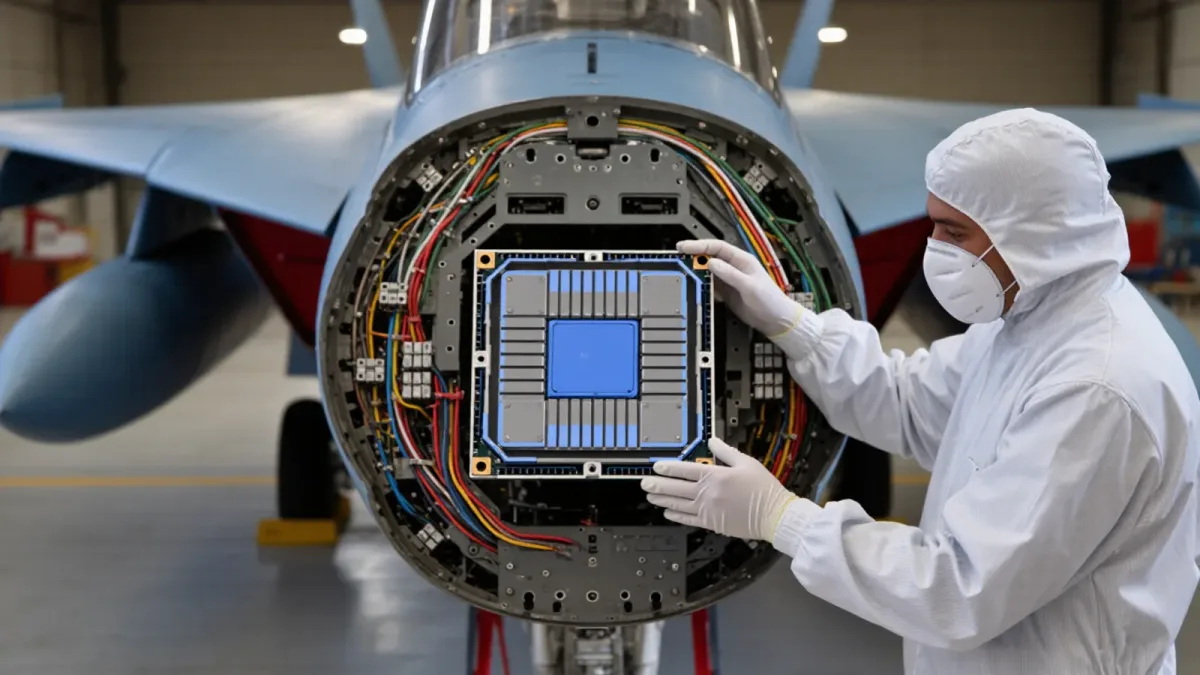
Upgrade blocks, not new airframes, are how fighter fleets stay relevant for decades
The average fighter in any large air force is older than its pilots, and blocks, SLEPs, and radar swaps — not new builds — keep it credible.
Aviation covers military aircraft across their service life: acquisition, upgrade blocks, engine performance, flying hours, availability rates and sustainment cost. Reporting draws on audit reports, fleet statistics and operator statements. Intended for aircrew, maintenance planners, procurement staff and analysts comparing what fleets can generate on a given day.
Fighters, tankers, transports and trainers covered through engines, upgrades, flying hours, availability rates and the contracts keeping them airborne.
The average fighter in any large air force is older than its pilots, and blocks, SLEPs, and radar swaps — not new builds — keep it credible.
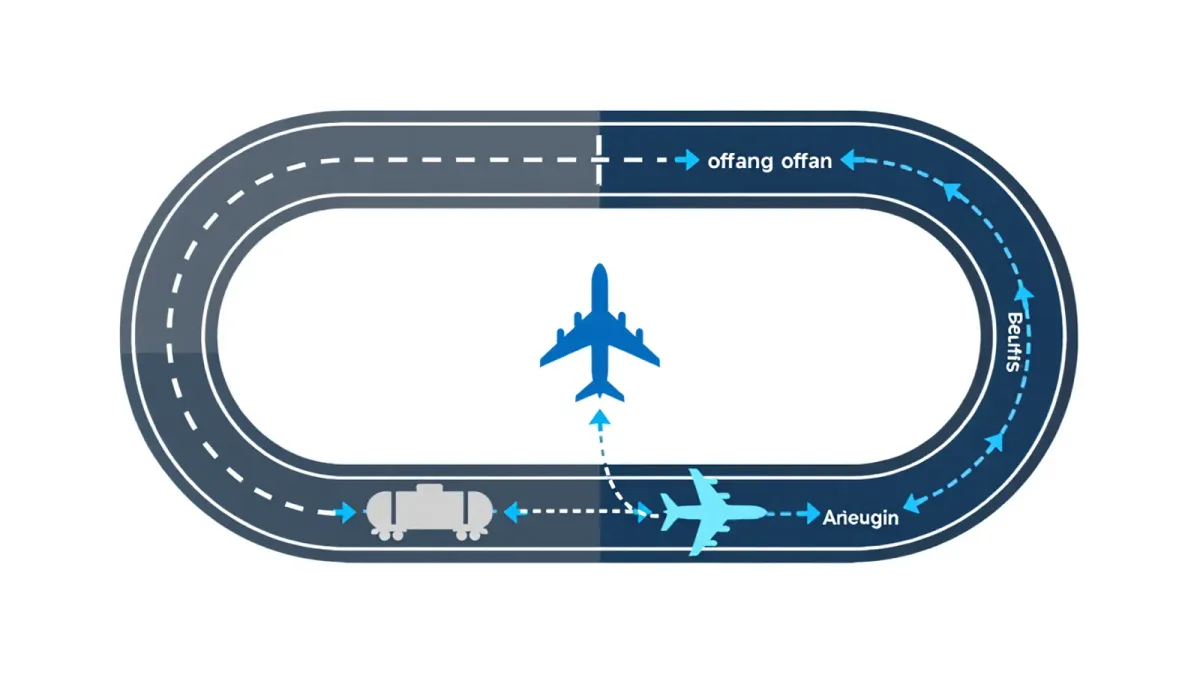
Fighters can be based anywhere in theory; in practice, the tanker fleet's age and size decide where and how heavily they can fly.
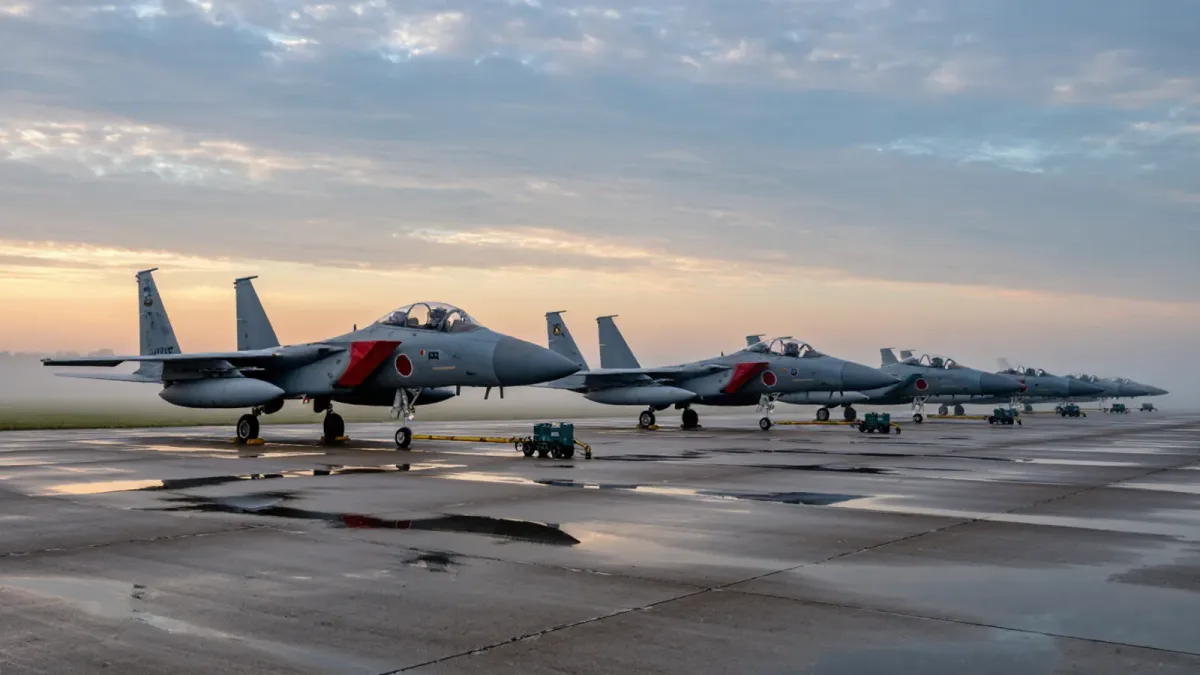
The number counts departures, not performance, and availability math has usually decided it before the schedule is ever written.
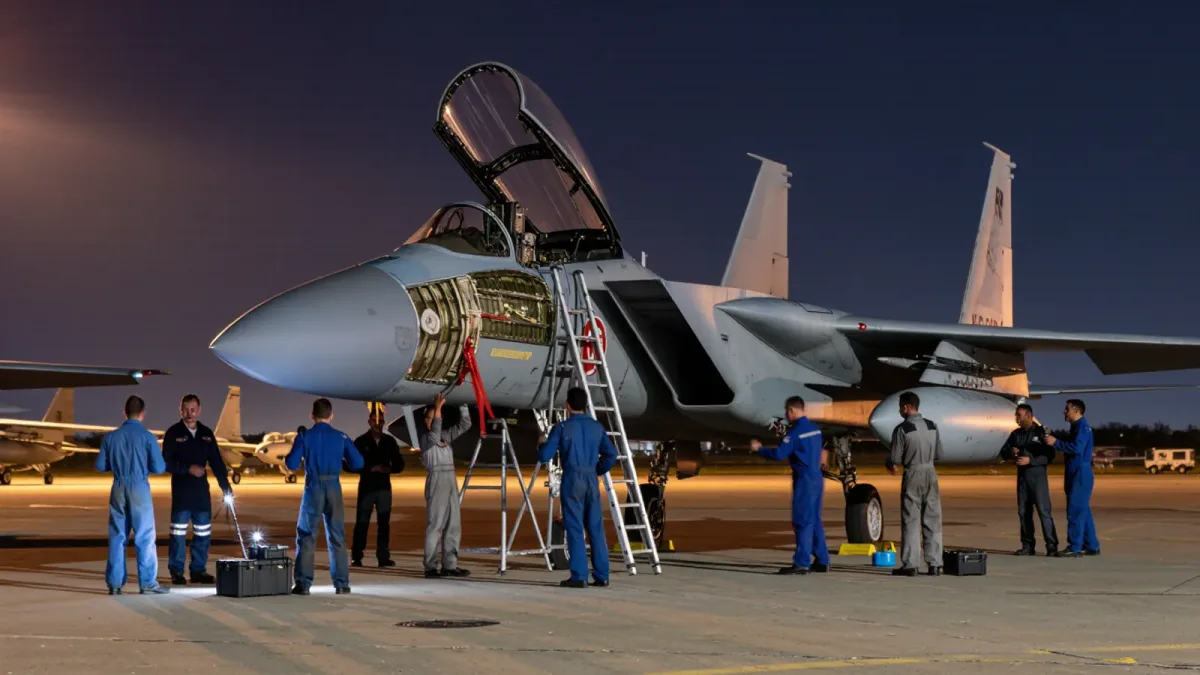
Mission capable rates sound like a single honest number, but the metric hides split counts, partial missions, and depot queues that explain most of the gap.