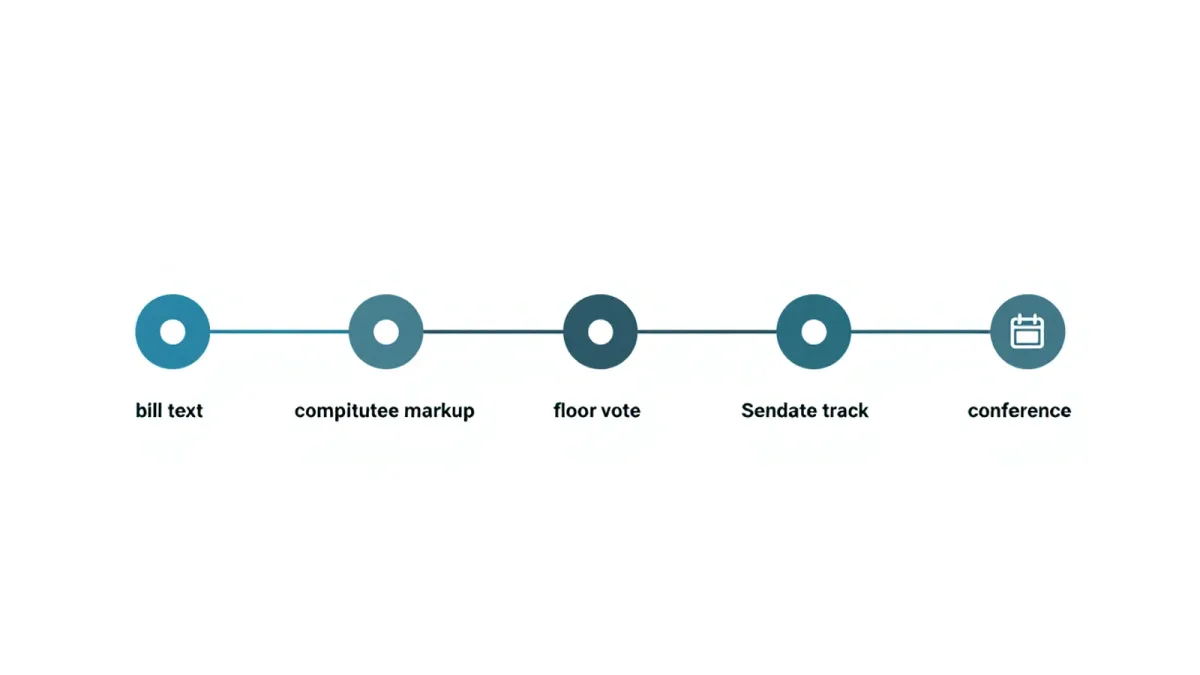
President Trump signed the National Defense Authorization Act for Fiscal Year 2026 on December 18, 2025, and the measure became Public Law 119-60 authorizing roughly 900.6 billion dollars in discretionary defense spending, about 8 billion dollars above the department's request, per Congress.gov's record and Holland & Knight's section-by-section analysis. The provision air-defense watchers should file first: the law includes dedicated sections codifying the Golden Dome missile defense policy, mirroring Executive Order 14186, which turns a presidential initiative into statutory program.
EDN News 12 is an online publication, not a broadcaster, and this article reports the legislative record only.
What does codification actually do?
An executive order lasts as long as the administration that issued it; a statute does not. Per Holland & Knight's December 2025 summary, the FY2026 act carries sections titled around matters relating to Golden Dome missile defense, which means the homeland defense architecture now has congressional authorization, oversight obligations and a budgetary anchor rather than resting on an order signed in January 2025. Future secretaries must execute, report and defend the program in annual budget cycles whether or not the founding policy survives politically.
How is Golden Dome funded?
Through two channels, and the split matters. Per the Air & Space Forces Association's analysis, Congress has allocated more than 24 billion dollars to Golden Dome overall, but roughly 90 percent flows through mechanisms outside the regular budget, chiefly reconciliation funds, with the remainder in annual authorizations like the FY2026 act. That structure speeds the start while it complicates oversight: the regular NDAA process governs a minority of the money, so the annual authorization fights shape direction more than volume.
What else in the law touches air defense?
Per Defense News's December 8, 2025 report on the compromise bill, the package funds next-generation fighter programs alongside Golden Dome, and the reconciled text blended the House bill's 892.6 billion dollar ceiling with the Senate version's own missile defense provisions. The final topline, about 900.6 billion dollars per Congress.gov's enactment record, sits above the Pentagon's request, which in a missile defense account typically translates into added interceptor and sensor quantities once appropriations follow.
What should watchers track next?
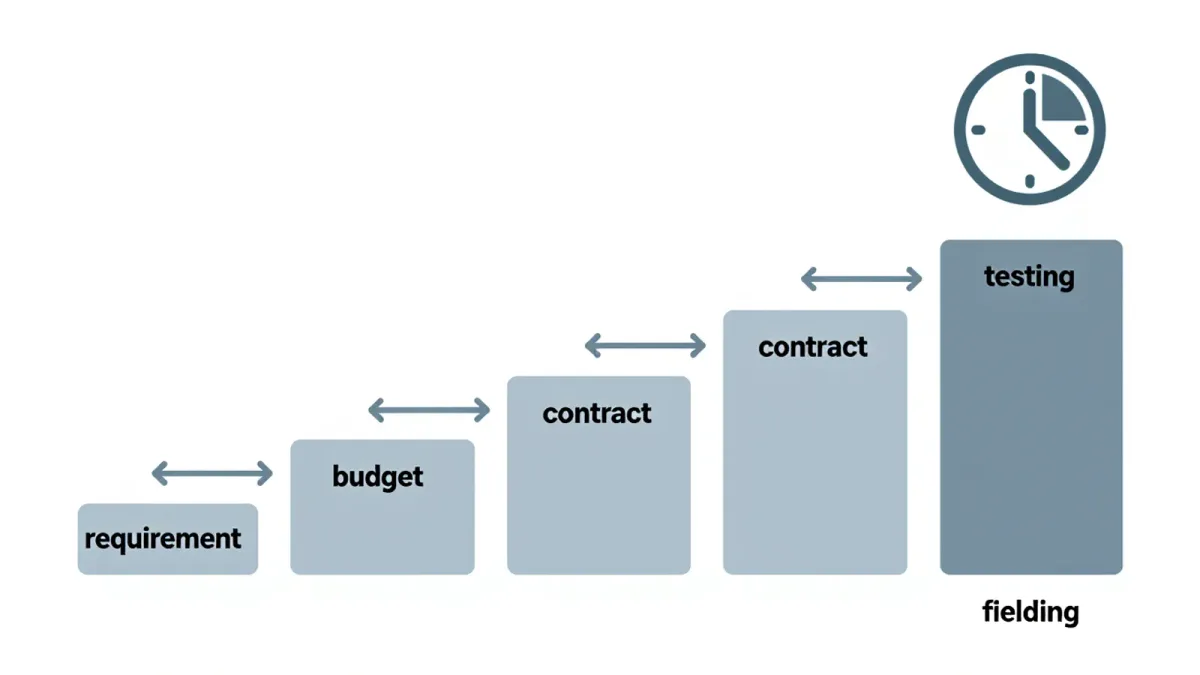
Three markers in 2026: the appropriations act that converts authorizations into money, the Missile Defense Agency's contracting under the new statutory authority, and the first congressional oversight reports required by the codified sections. Each converts the December signature from a policy statement into hardware and timelines.
An executive order started it; a public law now owns it. That is the whole difference.