Topic
Defense Procurement Explained: How Governments Buy Weapons
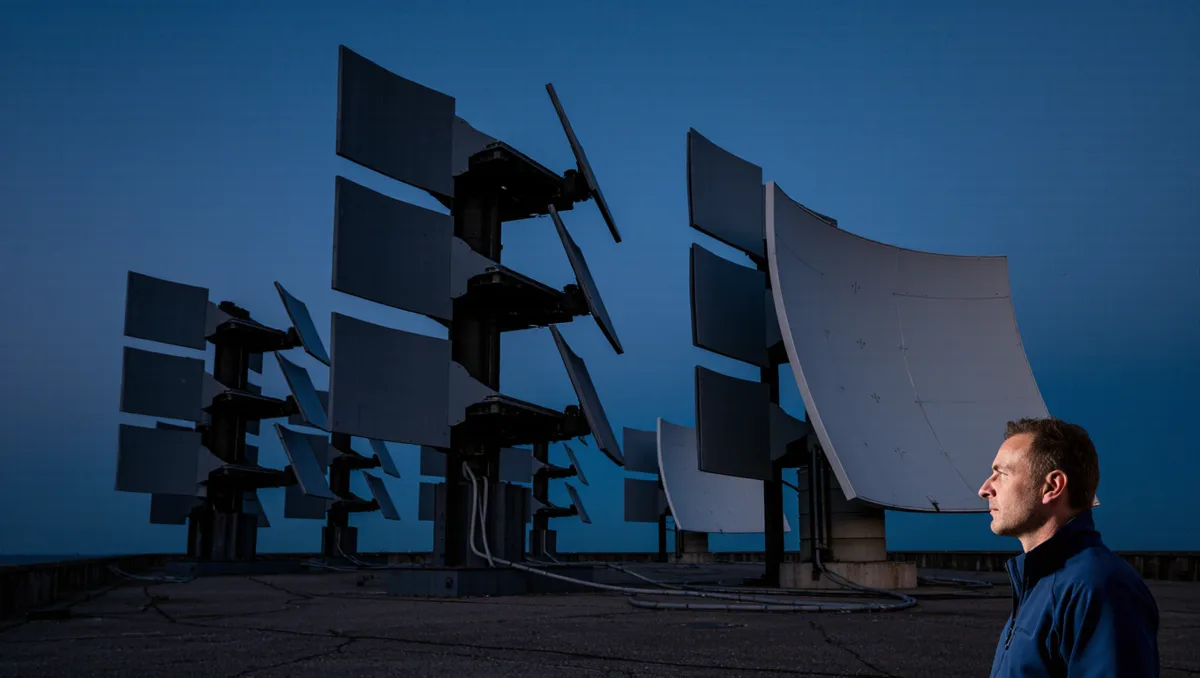
Defense procurement is how governments buy weapons and military equipment. Here is how the process works, why special rules apply, and where the risks lie.
Defense procurement is how governments buy weapons and military equipment. Here is how the process works, why special rules apply, and where the risks lie.

An air defense operations center turns scattered radar data into one picture of the sky. Here is how the room works, from sensors to decisions.
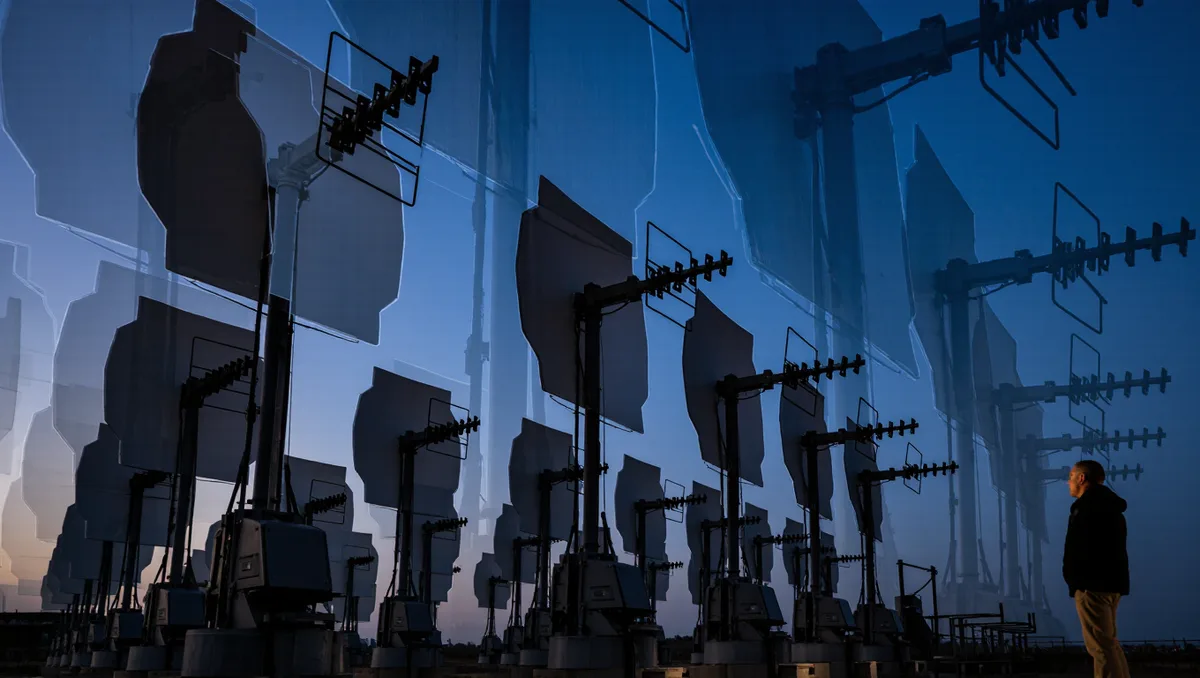
From Patriot crews to early-warning operators, here is what air defense artillery soldiers actually do each day, based on official Army job descriptions.

An air defense identification zone is not a border but a buffer that buys defenders time. Here is how ADIZ rules work and why the lines in the sky matter.

A flagship feature is not a bigger news story. It is a different kind of idea, and you can grow them on a schedule.
Resumes, interviews and the real trade-offs between corporate, event and government security posts.
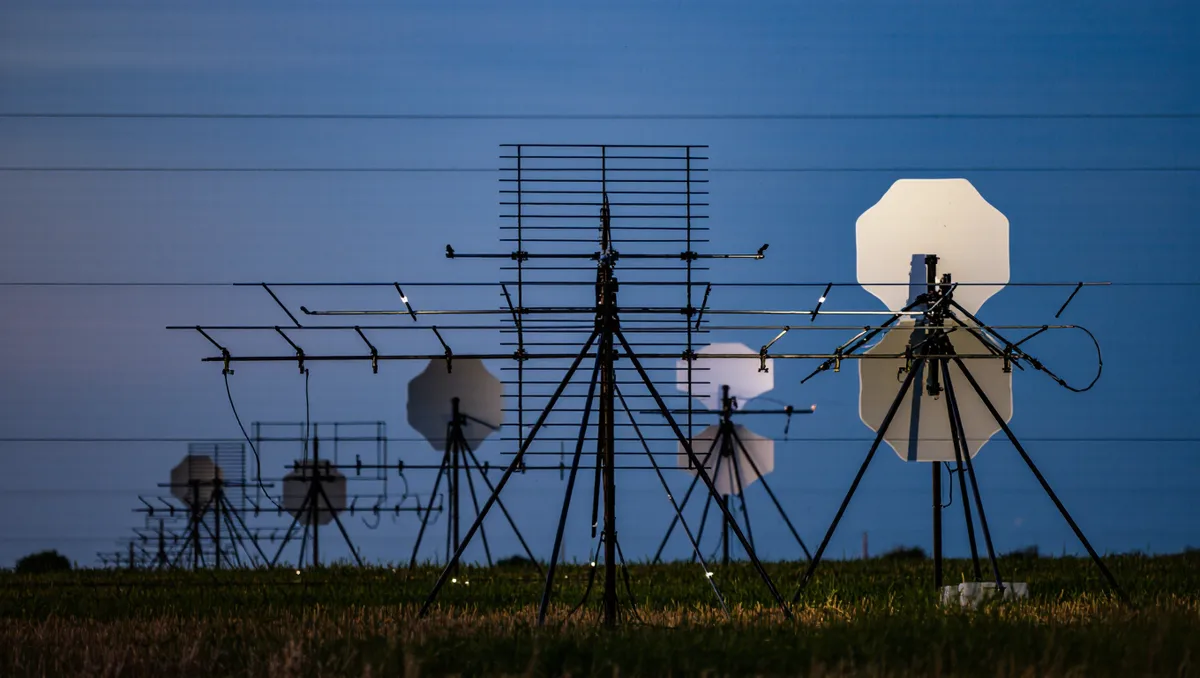
Rocky Phillips is selling spraying, thermal surveys and mapping built on Apache and FLIR hours. The credentials look real; the performance stories have one narrator.

The meetings, the arguments, and the budget line that decide what lands on the front page.

An A&P certificate is the entry ticket. Where you work, and what you sign off on, decides the rest.

The three tiers of a buying career differ in scope, not in paperwork — here is where each one starts and what it owns.