A cover story is commissioned long before it is written. An editor spots a subject worth a full issue, tests it against the calendar and the budget, and wins an argument inside the newsroom. Only then does a writer get the assignment. That is the short answer to how the front page comes to be, and the process behind it is more mundane and more deliberate than most readers assume.
The phrase itself is older than modern publishing. As Dictionary.com records, "behind" can mean originating or supporting something, as in "who's behind this program?" That sense is exactly right here. Behind the scenes magazine work means finding who is behind a story idea, and what it takes to get a newsroom solidly behind it.
This publication treats the cover story as its flagship format, so the commissioning step matters more here than almost anywhere else. What follows is a plain account of how that step works at publications like this one, drawn from standard editorial practice rather than any single leaked memo. Our analysis is that the process is less about inspiration than about a short list of checks that any reader could apply.
Where does a cover story idea come from?
Ideas enter the pipeline through three doors. Reporters pitch what they are already covering. Editors watch the calendar for anniversaries, budget cycles, and scheduled events. And readers, sources, and other coverage raise questions the publication has not answered yet.
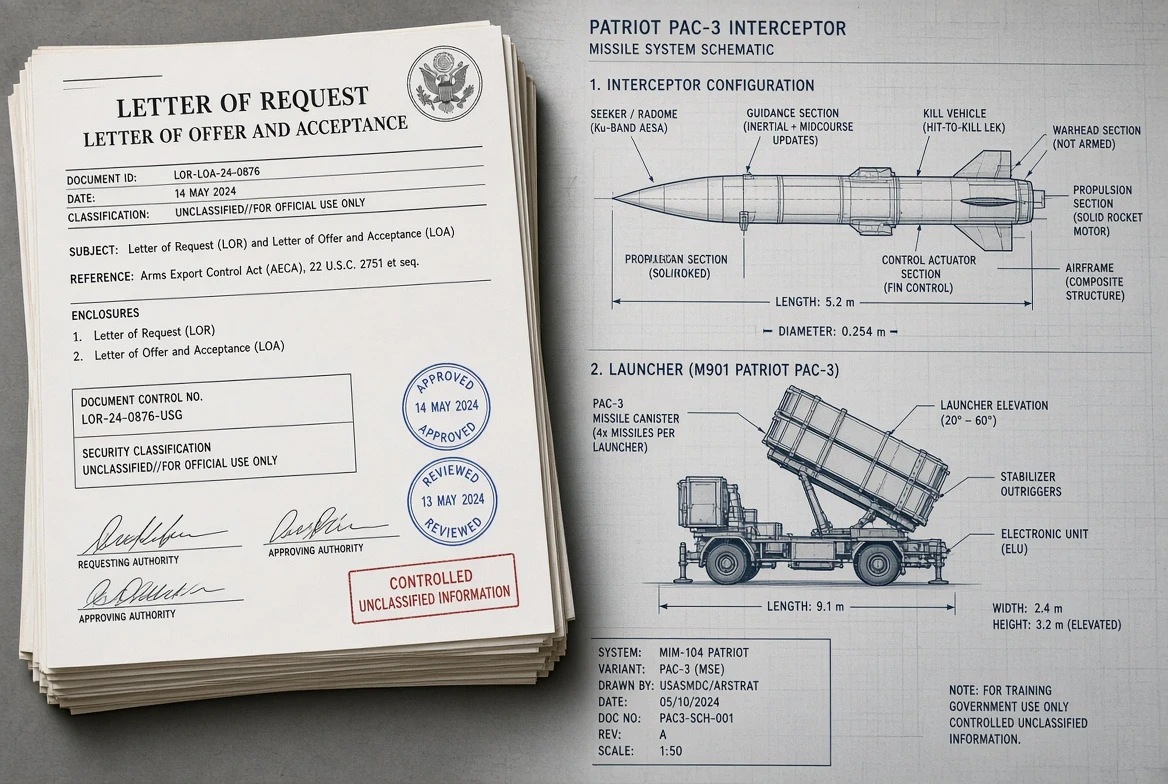
Most ideas die at this stage, and that is healthy. A working rule in commissioning is simple: a cover story must be a story, not a topic. "Air defense" is a topic. "Why interceptor production lines, not new launchers, decided this year's budgets" is a story. The difference is a claim that can be supported, argued with, or proved wrong. For related coverage, see Interceptor production lines, not new launchers, are the real 2024 air defense story.
Editors also look for what the trade calls a news peg, the reason this piece must run now. Without one, an idea usually becomes an explainer rather than a cover. Explainers are valuable, but they rarely carry a front page on their own.
What happens in the commissioning meeting?
The commissioning meeting, sometimes called a budget meeting or a story conference, is where the shortlist gets tested. Editors walk each candidate through the same questions. Is the central claim verifiable from documents or named sources? Can we get it in time? Does it overlap with something we already ran? Will it still read as fresh in a week?
Arguments in these meetings are real, and they are supposed to be. A strong commissioning debate usually turns on one of three tensions: new versus important, fast versus thorough, and what the audience needs versus what the audience already knows. A good editor forces each side to state its evidence, not just its enthusiasm.
The output of the meeting is narrow and concrete. It is a decision, a named writer, a word count, a deadline, and often a photography or graphics request. Nothing about the story itself has been written yet. That is the point: commissioning decides what will exist, not what it will say.
How does the budget shape the front page?
Money enters earlier than readers think. A cover story costs more than a routine piece because it typically demands original reporting, a dedicated photo shoot or licensed imagery, graphics, and editing time. Those line items compete with each other. A publication that spends its photography budget on one issue's cover has less for the next.
This is why photo budgets get argued over as hard as story budgets. Editors weigh whether a subject needs new pictures at all, whether existing licensed material will do, and whether a chart can carry information a photograph cannot. A data-heavy defense story, for instance, often benefits more from a clear diagram than from a dramatic frame. We covered a connected angle in Here is why an air defense radar cannot see over the horizon, and how defenders fix it.
For a publication like this one, the same logic applies to depth. A cover on procurement may need document work and weeks of patience, while a news-pegged cover can be assembled faster. The budget is the mechanism that turns those differences into an actual publishing plan.
Who signs off, and on what?
Commissioning is not the end of oversight. Once a writer is assigned, the piece passes through checkpoints. An outline or first draft is checked against the original pitch, so the story that arrives is the story that was bought. Fact-checking follows, then legal review where the subject requires it, then headline and display editing.
Each checkpoint can send a piece back. If the reporting cannot support the pitch's central claim, the honest outcomes are a narrower story or no story. Readers rarely see the pieces that died this way, which is exactly how it should work. A front page built from unsupported claims is a liability, not a scoop.
Standards editors, where a publication has them, act as the final gate. Their question is never "is this exciting?" It is "can we show our work?" If the answer is no, the cover changes or slips.
What this means for readers
Understanding commissioning changes how you read a cover story. The subject on the front page is not there because it is the only important thing happening. It is there because it passed a specific set of tests: verifiability, timing, originality, and cost. Knowing those tests lets you ask sharper questions of any publication, including this one.
It also explains the rhythm of a publication's output. Covers cluster around budget seasons, elections, and major events because those are the moments with built-in news pegs. Between them, explainers and analysis carry the load. Our regular defense news coverage works the same way at smaller scale: a claim, a source, a deadline.
The honest limit of any backstage account is that practices vary. Newsrooms differ in structure, and no two commissioning meetings run identically. What stays constant is the sequence: idea, test, argument, budget, assignment, verification. The drama readers imagine is mostly a series of checklists, followed carefully by people who would rather be right than first.
What we can and cannot know from the outside
Readers see the finished cover and can infer the process that produced it, but they cannot see the pitches that failed or the arguments that were won privately. Publicly available sources, including standard dictionary records of the language itself, establish what "behind the scenes" means. They do not, and cannot, document any particular newsroom's private deliberations. Any specific claim about how one editor decided one cover would need that newsroom's own account.
What the outside view can establish is structural. Commissioning is a filter, budgets are the pressure that makes the filter honest, and verification is the last gate before print. Those are durable features of magazine editing, and they will hold no matter which story lands on the front page next.
Sources: merriam-webster.com · dictionary.cambridge.org · dictionary.com · thefreedictionary.com